Aug 18, 2026
Articles, Blood Glucose Control, Blood Glucose Control, Dermatology, Devices, Diabetes, Prevention, Safety
885 views
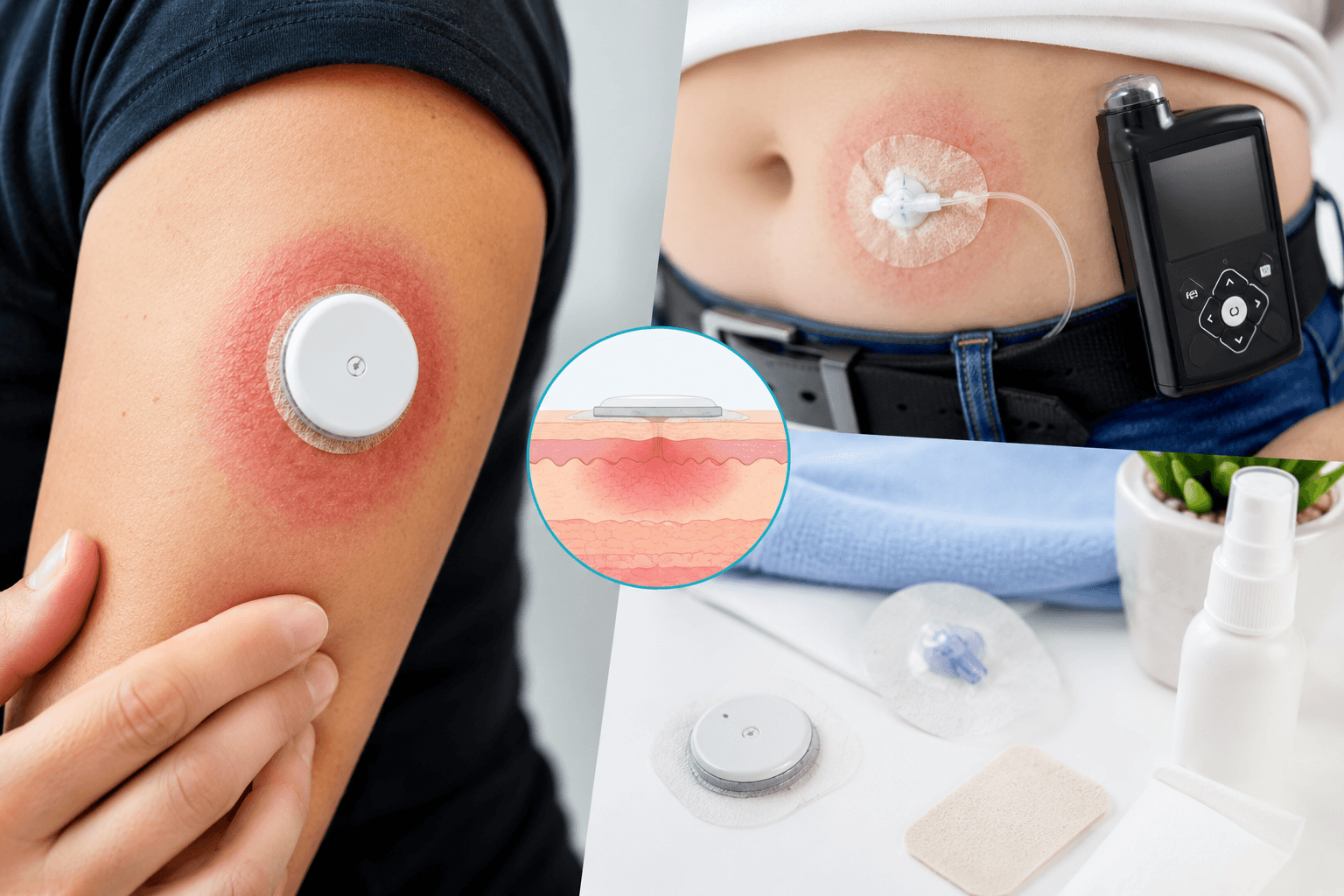
Continuous glucose monitors (CGMs) and insulin pumps can transform diabetes management, but the technology only works when patients can comfortably keep wearing it. CGM skin irritation can turn a valuable device into a daily source of itching, redness, pain, or damaged skin. In some cases, the reaction becomes severe enough …
Read More »
Aug 13, 2026
Articles, Blood Glucose Control, Blood Glucose Control, Devices, Diabetes, Insulin Therapy Center, Type 1 Diabetes, Type 1 Diabetes
1,039 views
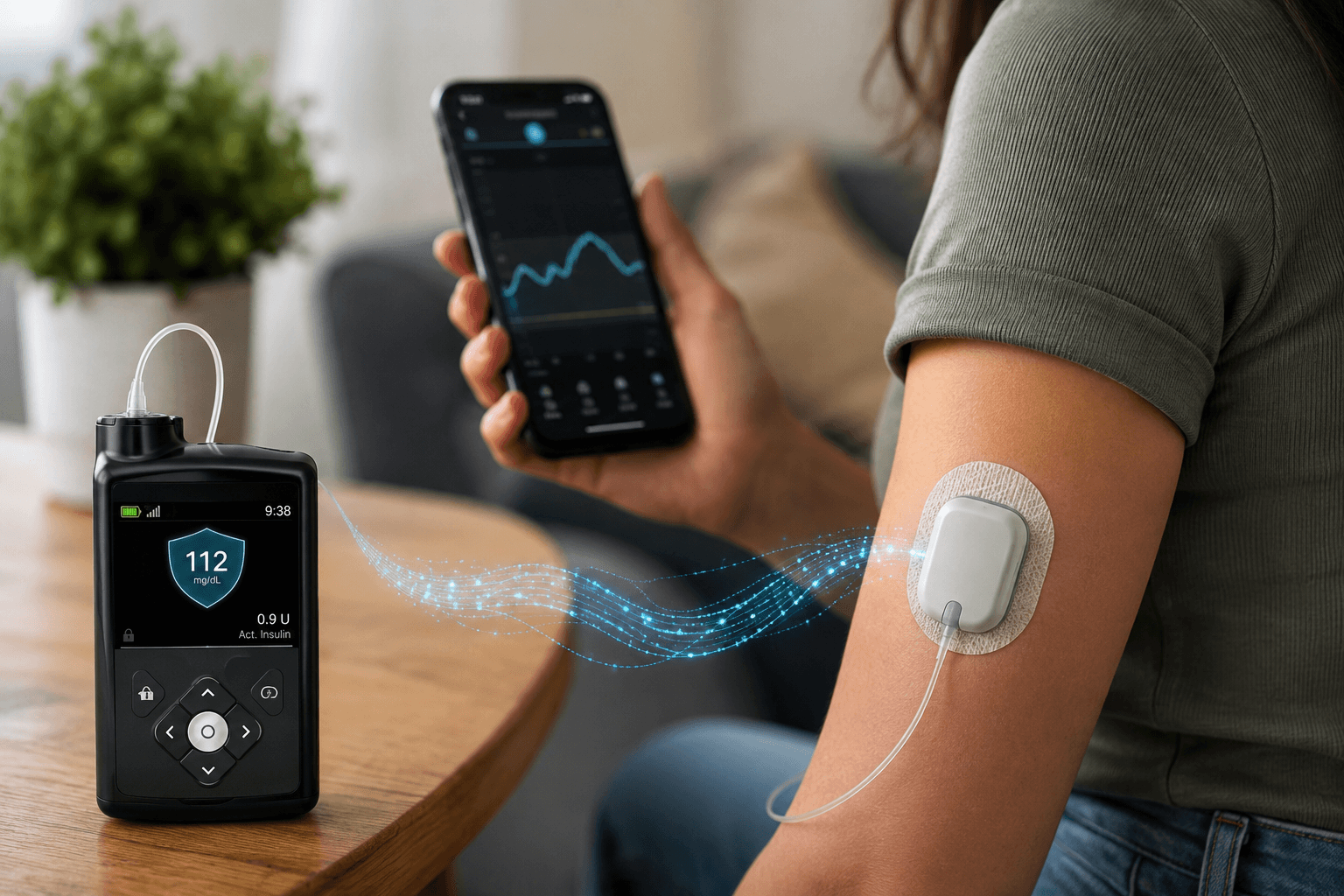
Artificial intelligence is entering diabetes care in a surprisingly quiet way. Rather than appearing as a chatbot or separate decision-support tool, increasingly sophisticated algorithms are being built into automated insulin delivery systems. Adaptive insulin pump hardware can work with continuous glucose monitor (CGM) data, recent insulin delivery, and changing glucose …
Read More »
Jul 6, 2026
Articles, Blood Glucose Control, Blood Glucose Control, Devices, Diabetes, Women's Health
1,086 views
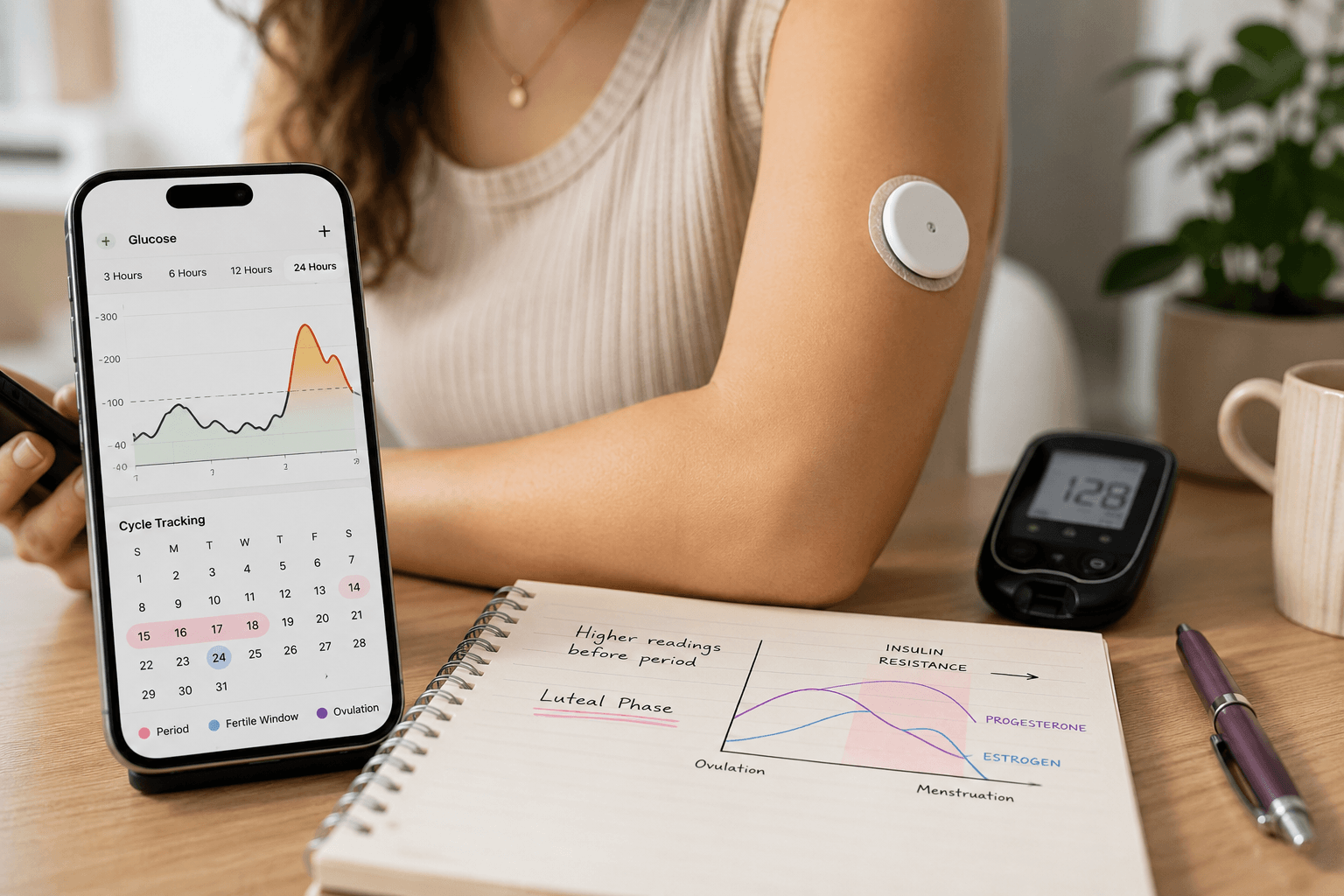
Many women with diabetes notice that blood sugar levels become harder to control during certain weeks of the month. Despite eating the same meals, taking the same insulin doses, and maintaining consistent activity levels, glucose readings may suddenly climb. This recurring pattern is often linked to luteal phase insulin resistance, …
Read More »
Jun 16, 2026
Articles, Blood Glucose Control, Blood Glucose Control, Diabetes, Type 1 Diabetes, Type 1 Diabetes, Type 2 Diabetes, Type 2 Diabetes
2,116 views
For years, hospital admission often meant disconnecting patients from their personal diabetes devices. Continuous glucose monitors (CGMs) and insulin pumps were frequently removed, even when patients had used them successfully at home. However, the 2026 American Diabetes Association (ADA) Standards of Care introduce a significant shift in how hospitals approach …
Read More »
Jun 12, 2026
Articles, Blood Glucose Control, Blood Glucose Control, Devices, Diabetes
3,820 views
Continuous glucose monitoring (CGM) has transformed diabetes management by giving patients real-time glucose data, trend arrows, and alerts that support better daily decisions. Yet some patients stop using their CGM within days of starting. Often, the problem is not the device itself. Instead, early frustration begins when patients leave the …
Read More »
May 29, 2026
Articles, Blood Glucose Control, Blood Glucose Control, Devices, Diabetes, Insulin Therapy Center, Type 1 Diabetes, Type 1 Diabetes
1,172 views
For years, diabetes care has relied on one key rule: insulin should be given before meals whenever possible. Yet many people living with diabetes still struggle with timing. Busy schedules, unpredictable eating habits, and delayed dosing often lead to postprandial glucose spikes. Now, with the rise of ultra-rapid insulin AID …
Read More »
May 20, 2026
Articles, Blood Glucose Control, Blood Glucose Control, Devices, Diabetes, Prediabetes, Prediabetics, Prevention
1,461 views
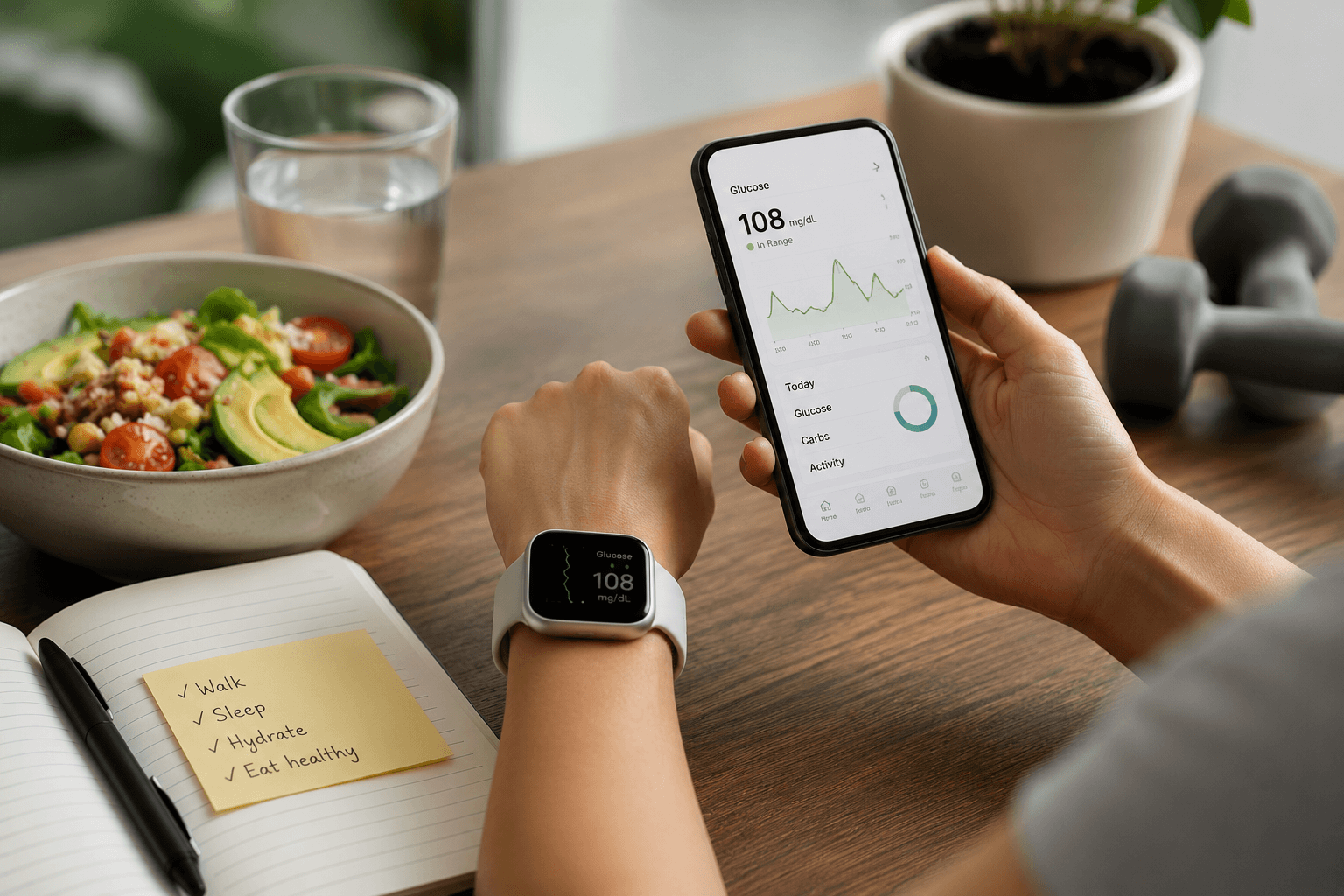
Prediabetes has traditionally been diagnosed during annual physical exams through fasting glucose tests or A1C measurements. However, new diabetes prevention tools and wearable technologies are rapidly changing that model. Today, wearable devices, continuous glucose monitors (CGMs), and predictive metabolic tracking tools are giving people real-time insight into their glucose patterns …
Read More »
 Diabetes In Control. A free weekly diabetes newsletter for Medical Professionals. News and information for Medical Professionals.