 Diabetes In Control. A free weekly diabetes newsletter for Medical Professionals. News and information for Medical Professionals.
Discover how psychotherapy for type 2 diabetes may improve A1C, support self-management, and influence weight and metabolic health.
Read More »Can Psychotherapy Lower Blood Sugar? New Evidence Finds a Link Between Mind and Metabolism

Discover how psychotherapy for type 2 diabetes may improve A1C, support self-management, and influence weight and metabolic health.
Read More »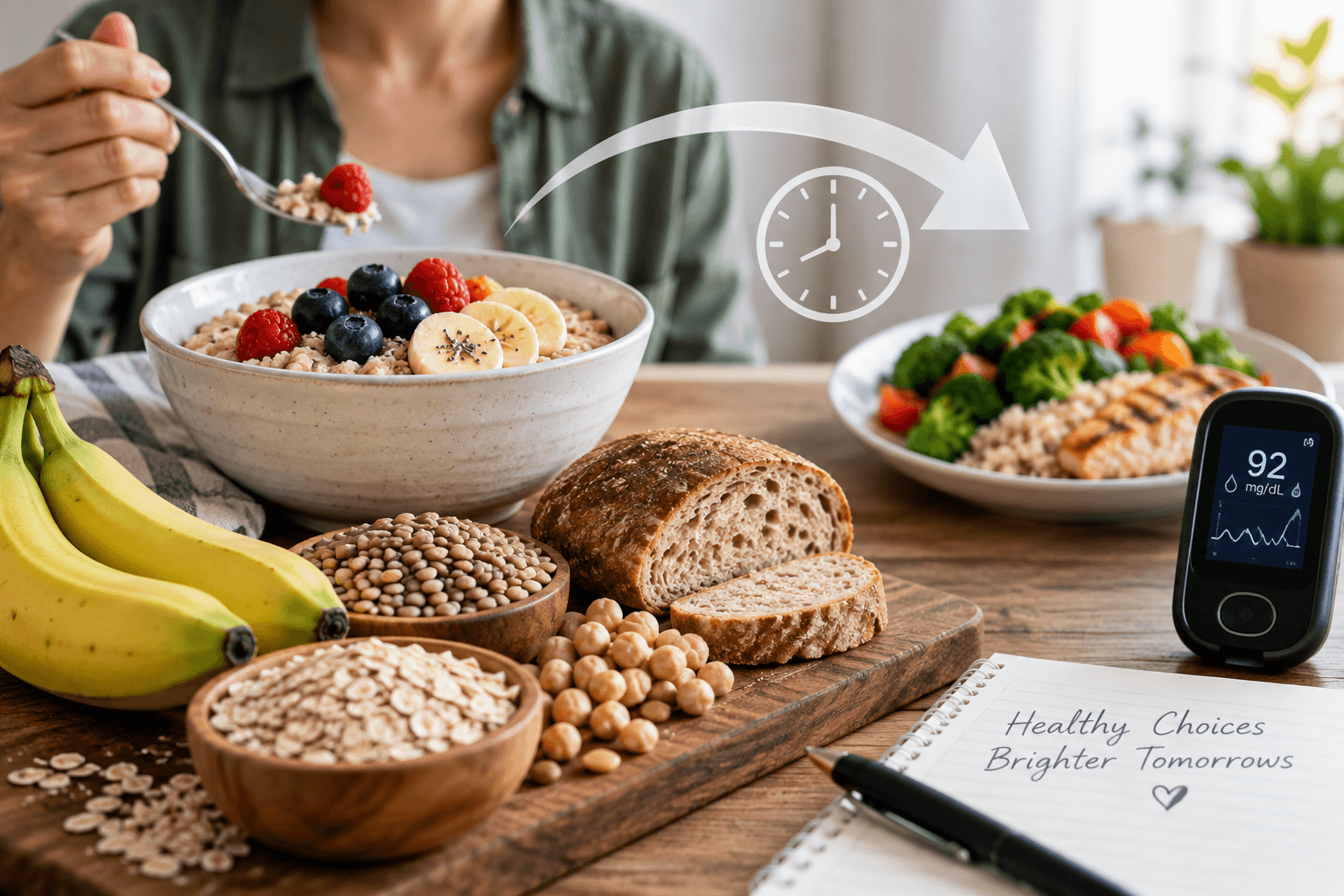
Could the carbohydrates eaten at breakfast affect the blood sugar response to lunch? Research on resistant starch and the second-meal effect suggests they might. Resistant starch escapes much of the digestion that normally occurs in the small intestine. As a result, less of it is immediately converted to glucose, while …
Read More »When glucose numbers improve, patients are expected to feel better. Yet some people with type 1 diabetes report the opposite. A glucose level that looks reassuring on a continuous glucose monitor may leave them feeling tired, uncomfortable, or simply “off.” New research suggests that glycemic habituation may help explain this …
Read More »
For years, diabetes care has emphasized one simple message: exercise regularly. While that advice remains essential, researchers are now asking a more specific question. Could when you exercise be just as important as how much you exercise? Emerging evidence suggests the answer may be yes. The growing field of chronotherapy, …
Read More »Hypoglycemia is a common condition in hospital settings that can cause significant health problems and even death if not managed properly. It is especially dangerous in elderly and diabetic patients. As a result, it is important to reduce the risk of hypoglycemic events in hospital settings. This article will discuss …
Read More »