3 weeks ago
Articles, News, Therapies, Type 1 Diabetes, Type 1 Diabetes
843 views
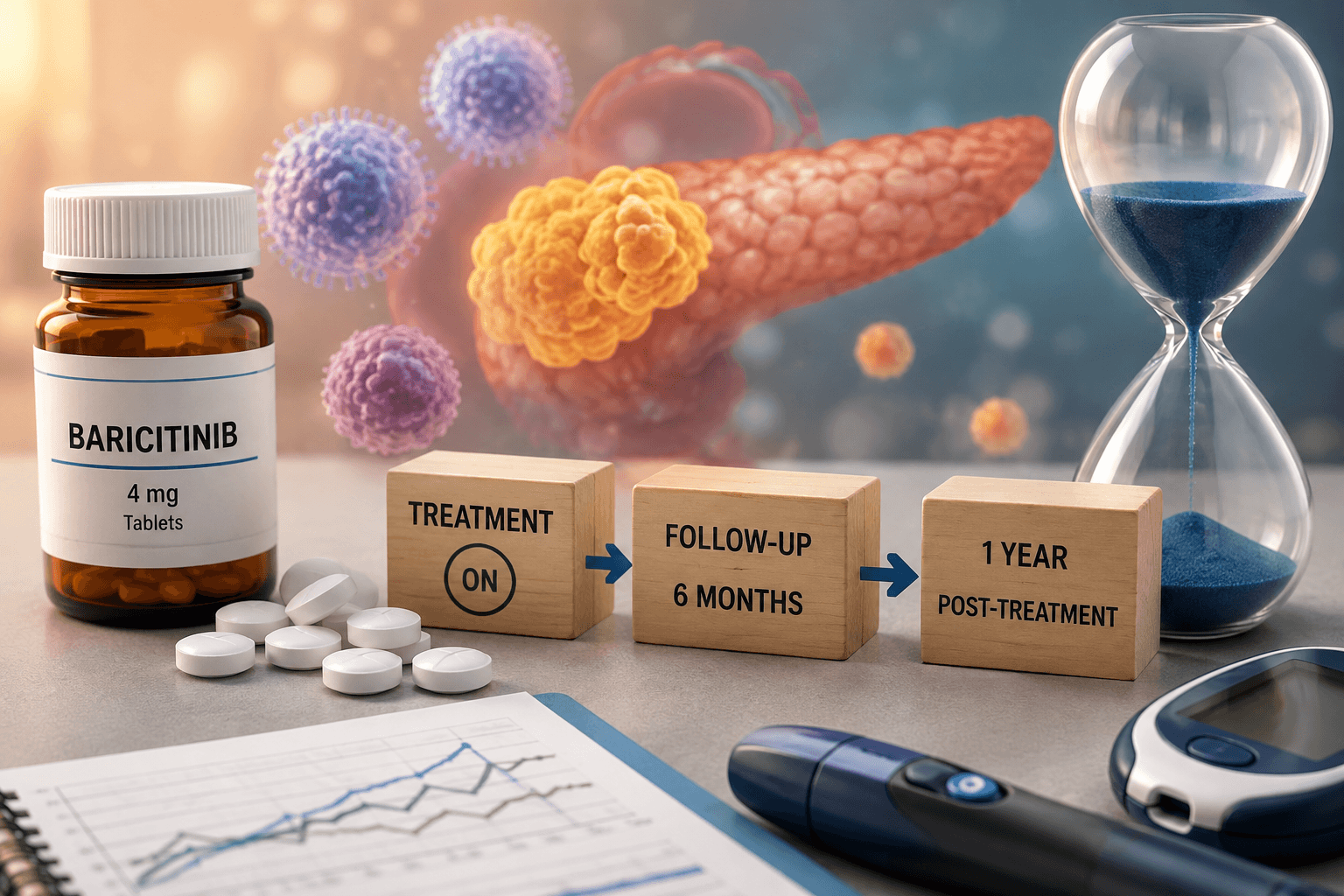
New follow-up research on baricitinib for type 1 diabetes addresses a crucial question: what happens after the drug is stopped? The original BANDIT trial showed that 48 weeks of oral baricitinib helped preserve beta-cell function in people with recently diagnosed type 1 diabetes. However, new follow-up research examines participants through …
Read More »
Jul 21, 2026
Articles, Blood Glucose Control, Blood Glucose Control, Type 1 Diabetes, Type 1 Diabetes
1,182 views
Receiving a diagnosis of type 1 diabetes can feel overwhelming. Yet for many adults, the weeks or months that follow bring an unexpected twist. Blood glucose levels often become easier to control, insulin needs decrease, and some people wonder if their diabetes is actually improving. This temporary period is known …
Read More »
Jun 29, 2026
Articles, Pediatrics, Prevention, Type 1 Diabetes, Type 1 Diabetes
1,884 views
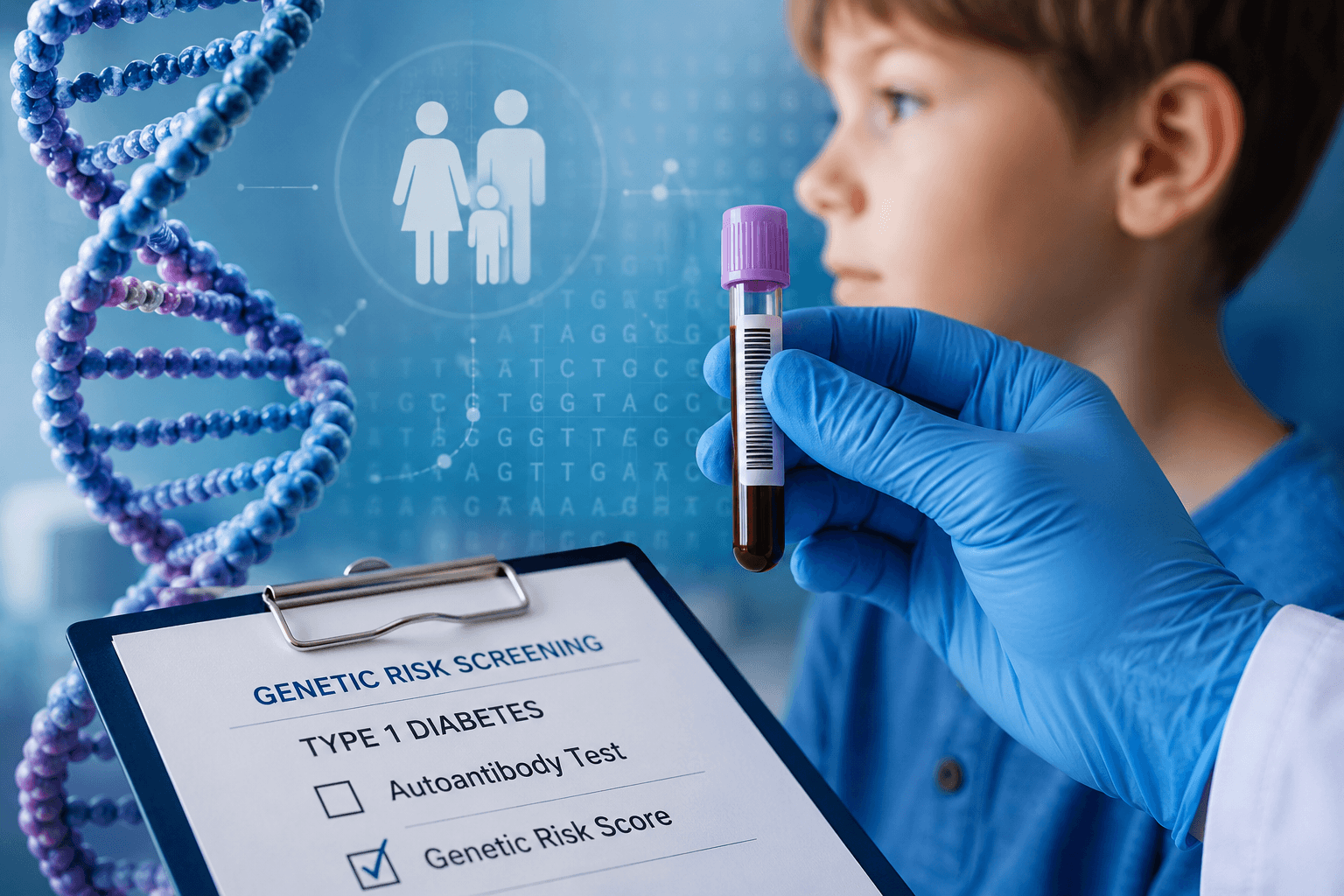
Population-based screening for type 1 diabetes is entering a new era. While autoantibody testing remains the gold standard for identifying individuals at high risk, researchers are increasingly investigating whether type 1 diabetes genetic screening could identify susceptible people even earlier. Advances in genomic science now make it possible to estimate …
Read More »
Jun 22, 2026
Articles, Therapies, Type 1 Diabetes, Type 1 Diabetes
4,484 views
For decades, treatment after a type 1 diabetes diagnosis focused almost entirely on insulin replacement and blood glucose management. While advances in technology have improved care, clinicians have had few ways to address the autoimmune process driving beta-cell loss. That is beginning to change. With the FDA’s expansion of teplizumab-mzwv …
Read More »
Apr 24, 2026
Articles, Diabetes, Prevention, Therapies, Type 1 Diabetes, Type 1 Diabetes
2,074 views
Can a chronic condition like type 1 diabetes be slowed before it fully develops? Recent long-term studies suggest that preventing or delaying type 1 diabetes may be closer to reality than once believed. In fact, emerging immunotherapy data is changing how clinicians view early-stage disease and the opportunity to intervene …
Read More »
Mar 18, 2026
Articles, Diabetes, GLP- 1 Agonist Therapy Center, GLP-1 Agonist Therapy Center, Therapies, Type 2 Diabetes, Type 2 Diabetes
1,292 views
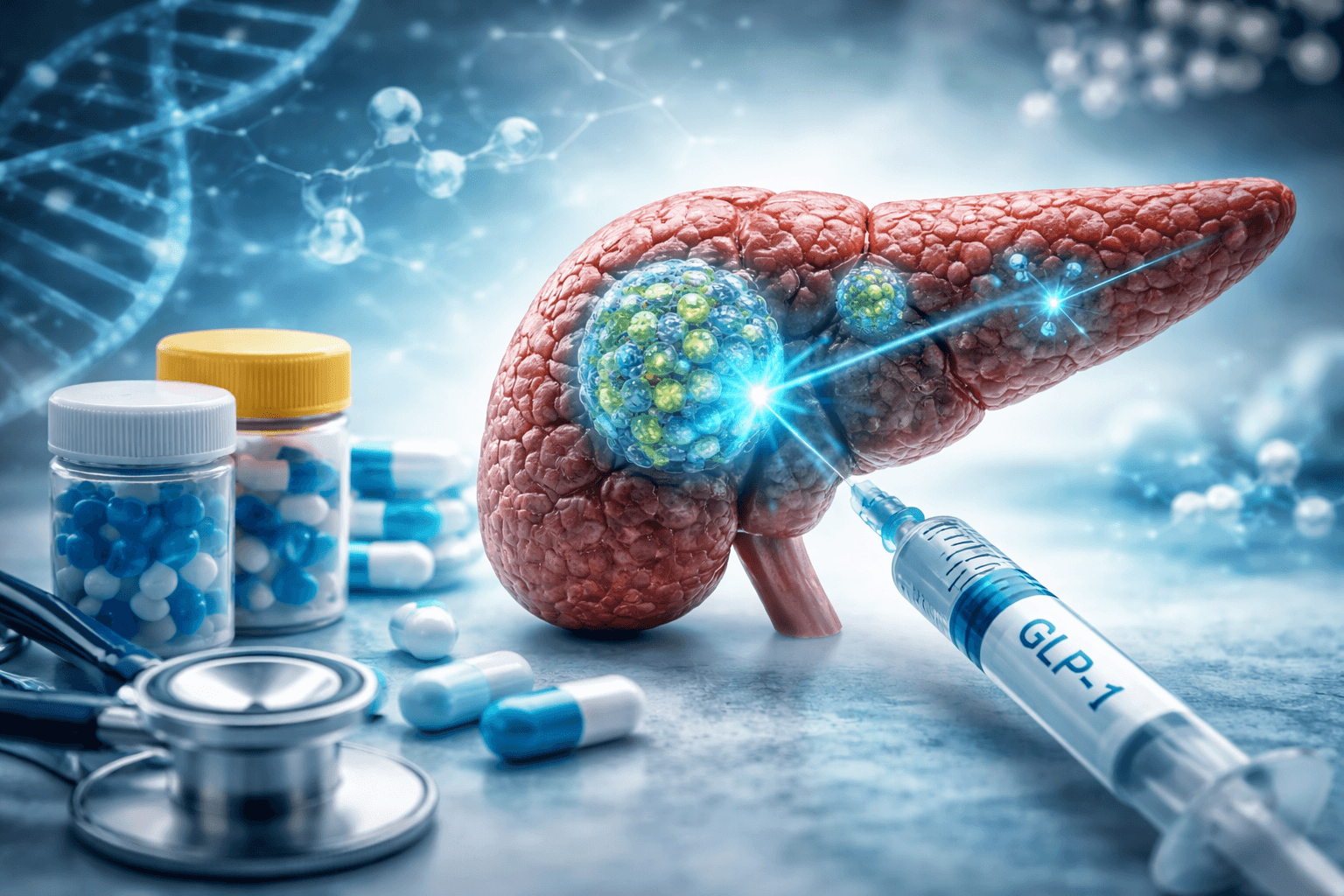
Type 2 diabetes often feels like a slow-burning fire that gradually damages the body over time. But what if early intervention could help control that fire before it spreads? Research into how GLP-1 therapies support beta-cell function suggests these treatments may do more than lower blood sugar. They may also …
Read More »
Jan 9, 2026
Articles, Blood Glucose Control, Blood Glucose Control, Diabetes, Type 1 Diabetes, Type 1 Diabetes
1,776 views
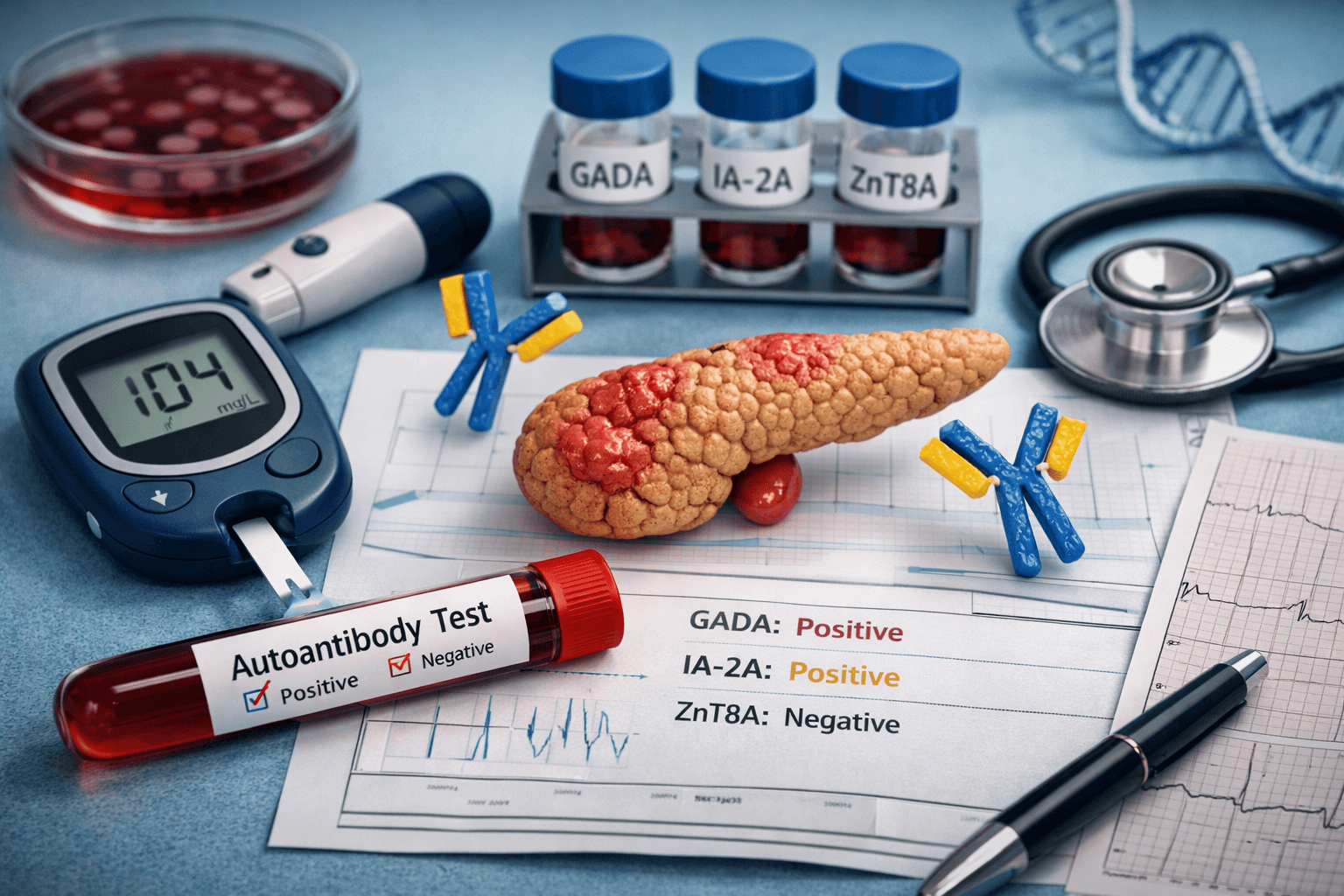
Type 1 diabetes doesn’t have to be a surprise. Thanks to type 1 diabetes autoantibody screening, clinicians can now identify individuals at high risk before symptoms even appear. This early detection opens doors for proactive monitoring, patient education, and potentially delaying or preventing full-blown disease. But who should be screened? …
Read More »
Dec 4, 2025
Articles, Blood Glucose Control, Diabetes, Insulin Therapy Center, Therapies, Type 2 Diabetes
1,217 views
Could the conventional “lifelong treatment” model for type 2 diabetes be rethought? Recent trials suggest that short‑term intensive therapy may offer more than transient glycemic control—it might trigger lasting remission in newly diagnosed patients. Such interventions, combining aggressive pharmacologic therapy or insulin with lifestyle change, show potential to preserve β‑cell …
Read More »
 Diabetes In Control. A free weekly diabetes newsletter for Medical Professionals. News and information for Medical Professionals.