Jul 2, 2026
Articles, Blood Glucose Control, Blood Glucose Control, Diabetes, Insulin Therapy Center, Therapies, Type 1 Diabetes, Type 1 Diabetes, Type 2 Diabetes, Type 2 Diabetes
2,509 views
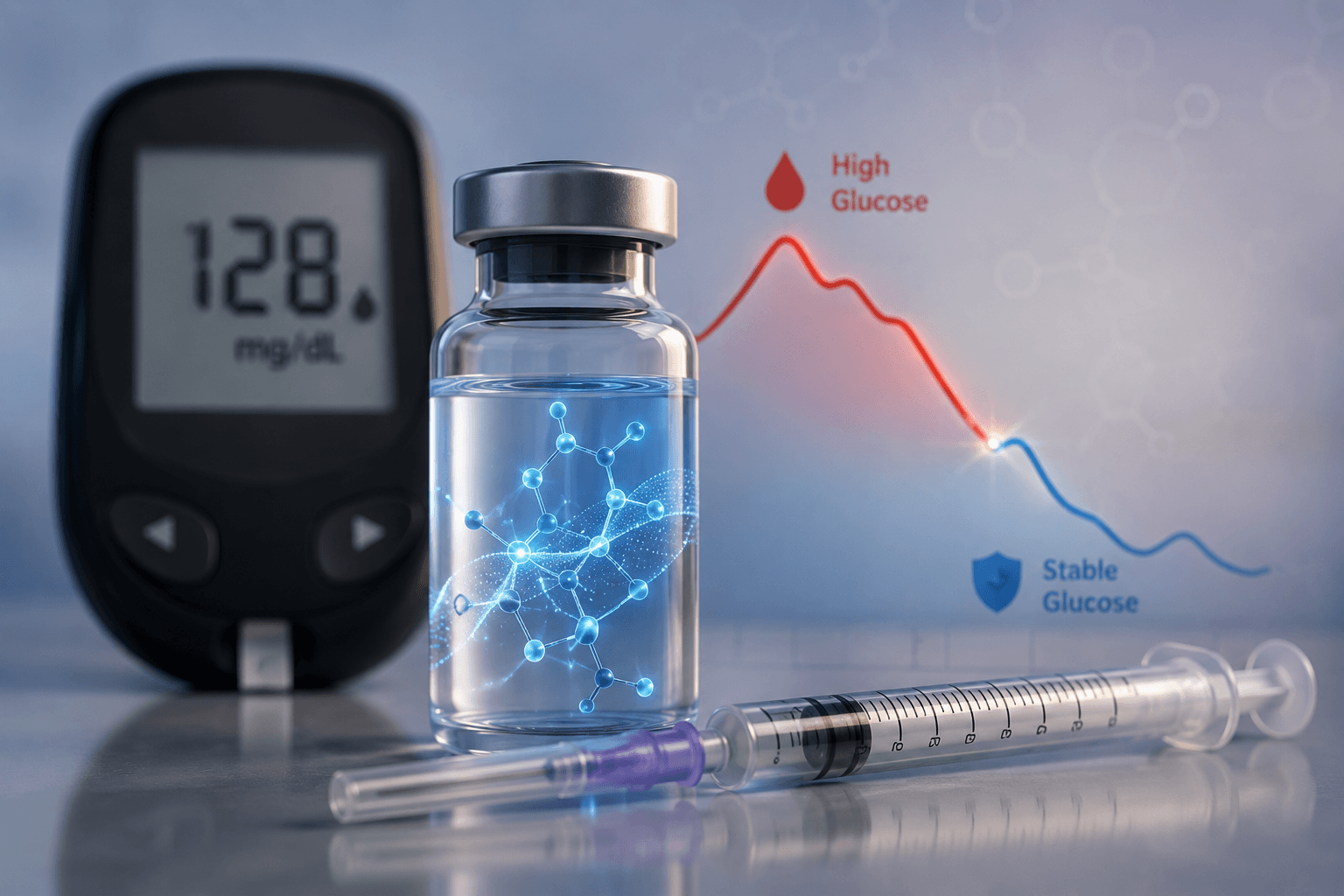
For more than a century, insulin has saved millions of lives. Yet despite remarkable advances in diabetes technology, one major challenge remains: preventing hypoglycemia while maintaining excellent glucose control. That is why researchers are developing glucose-responsive insulin, often called “smart” insulin. Instead of delivering a fixed amount of insulin regardless …
Read More »
Jun 11, 2026
Articles, Diabetes, Insulin Therapy Center, Type 1 Diabetes, Type 1 Diabetes, Type 2 Diabetes, Type 2 Diabetes
2,503 views
Many healthcare providers focus heavily on daytime glucose control, yet some of the most dangerous hypoglycemic episodes occur while patients are asleep. Despite major advances in insulin therapy and glucose monitoring, nocturnal hypoglycemia remains a significant clinical concern for people living with diabetes. Because symptoms often go unnoticed during sleep, …
Read More »
Jun 5, 2026
Articles, Blood Glucose Control, Blood Glucose Control, Diabetes, Diet and Nutrition, Safety, Type 1 Diabetes, Type 1 Diabetes, Type 2 Diabetes, Type 2 Diabetes
4,648 views
Patients with diabetes are increasingly exploring fasting for religious, cultural, and metabolic health reasons. From Ramadan observance to intermittent fasting trends, many individuals choose to abstain from food and fluids for extended periods despite potential risks. For clinicians, this creates an important challenge. Simply advising patients not to fast often …
Read More »
May 15, 2026
Articles, Blood Glucose Control, Blood Glucose Control, Diabetes, Insulin Therapy Center, Type 1 Diabetes, Type 1 Diabetes, Type 2 Diabetes, Type 2 Diabetes
3,527 views
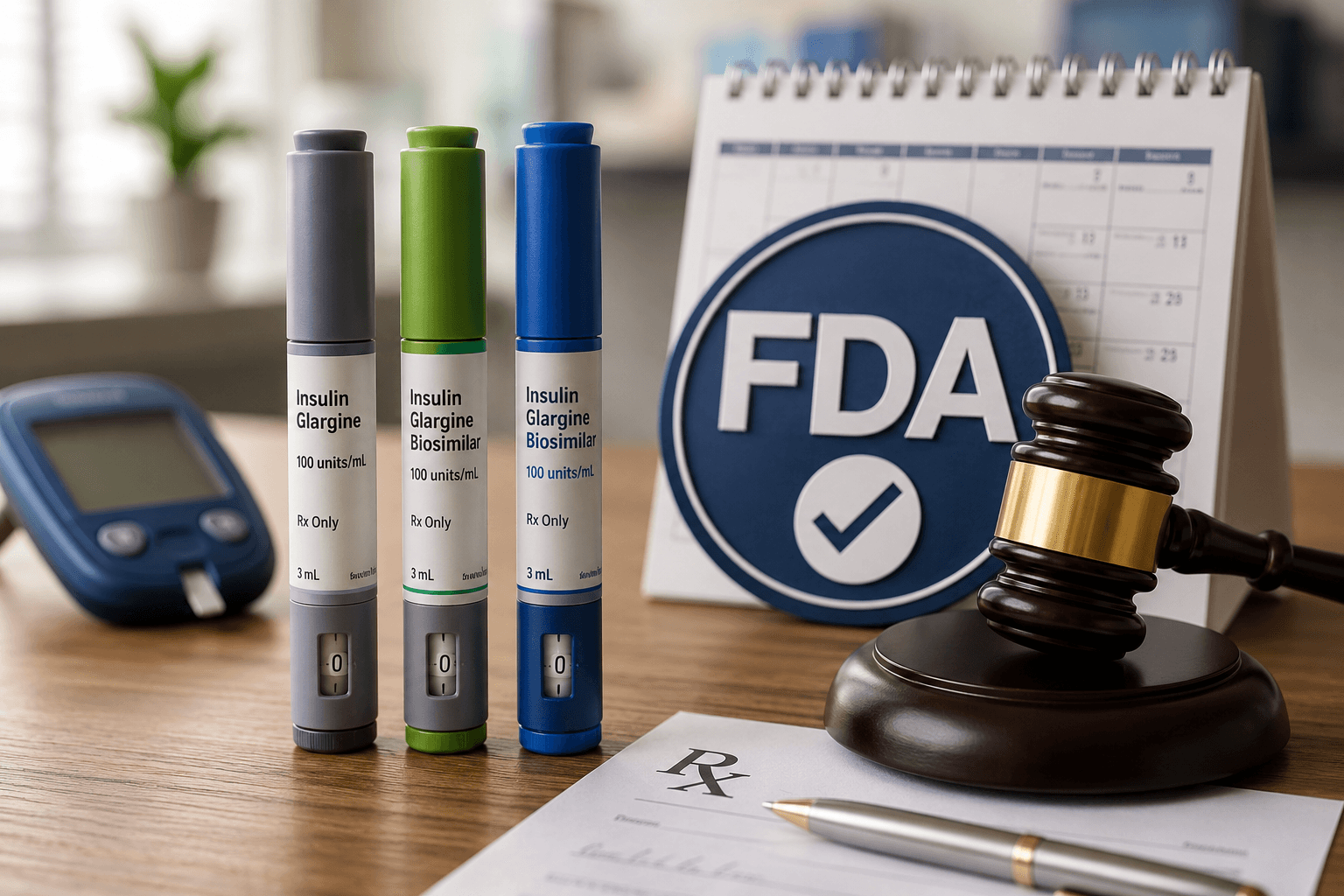
A patient arrives at the pharmacy expecting their usual insulin refill, only to discover the box, brand name, and pen device suddenly look different. The pharmacist explains that the medication is an interchangeable biosimilar approved for automatic substitution. Although the insulin is considered clinically equivalent, the unexpected switch can still …
Read More »
Feb 26, 2026
Articles, Blood Glucose Control, Blood Glucose Control, Diabetes, Insulin Therapy Center, Type 2 Diabetes, Type 2 Diabetes
1,778 views
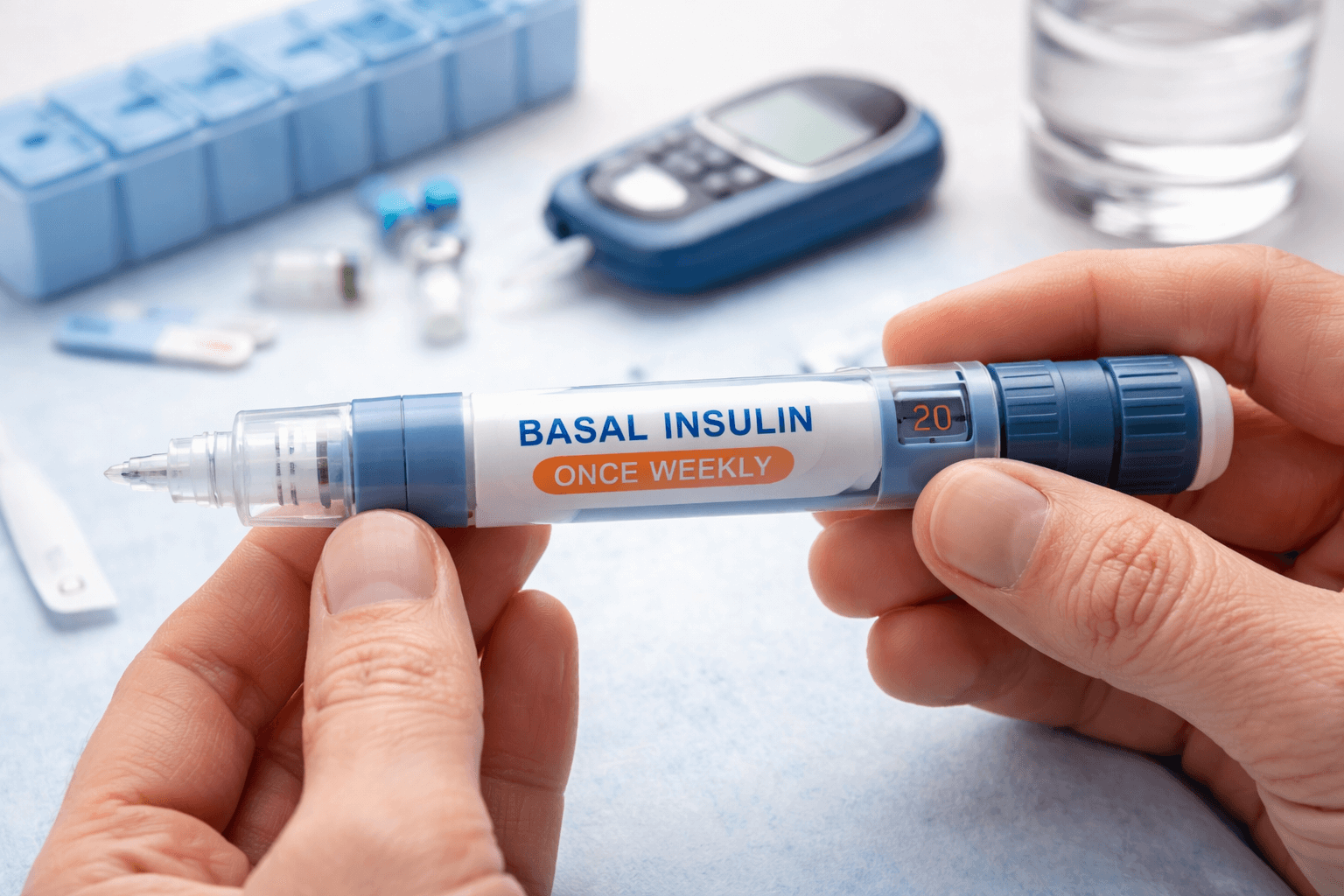
The arrival of a once-weekly basal insulin option marks one of the most meaningful advances in insulin therapy in decades. For years, daily basal injections have been the standard of care for people with type 1 and type 2 diabetes. However, many patients struggle with adherence, missed doses, and therapeutic …
Read More »
Dec 3, 2025
Articles, Insulin Therapy Center, Therapies, Type 2 Diabetes
2,096 views
Starting insulin early in the course of type 2 diabetes may seem counter‑intuitive. After all, many patients and clinicians treat insulin as a “last resort.” Yet what if early insulin initiation could actually change the trajectory of the disease — preserving pancreatic function, improving long‑term control, and reducing complications? In …
Read More »
 Diabetes In Control. A free weekly diabetes newsletter for Medical Professionals. News and information for Medical Professionals.