 Diabetes In Control. A free weekly diabetes newsletter for Medical Professionals. News and information for Medical Professionals.
Interleukin-2 boosted immune cells but failed to preserve insulin production in the DIABIL-2 trial. Discover what this means for type 1 diabetes.
Read More »The Immune Target Moved, but the Diabetes Didn’t: What a Failed Type 1 Trial Can Teach Us
Interleukin-2 boosted immune cells but failed to preserve insulin production in the DIABIL-2 trial. Discover what this means for type 1 diabetes.
Read More »
TrialNet’s ASCEND T1D trial compares ATG with teplizumab to explore new ways to delay progression of Stage 2 type 1 diabetes.
Read More »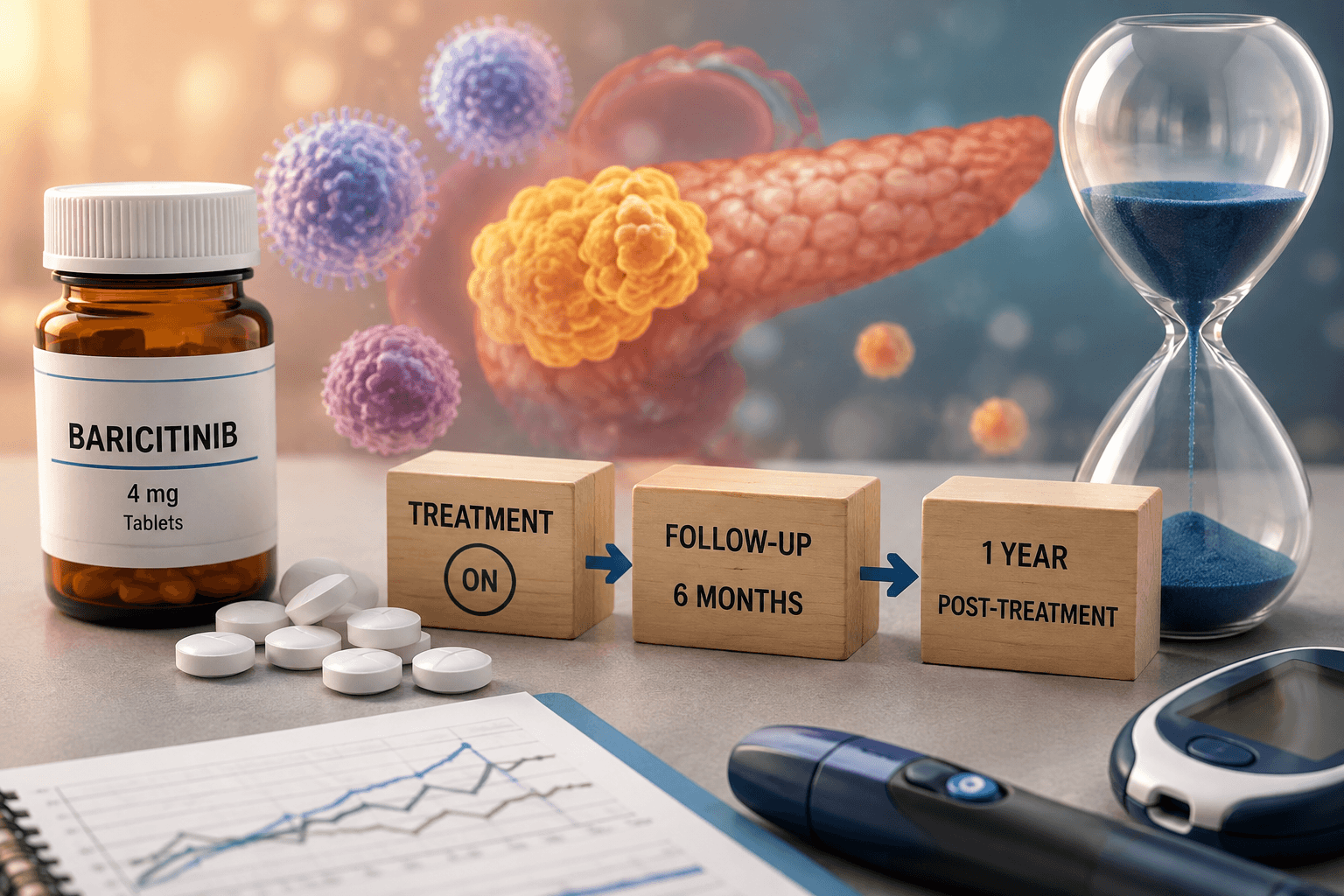
New follow-up research on baricitinib for type 1 diabetes addresses a crucial question: what happens after the drug is stopped? The original BANDIT trial showed that 48 weeks of oral baricitinib helped preserve beta-cell function in people with recently diagnosed type 1 diabetes. However, new follow-up research examines participants through …
Read More »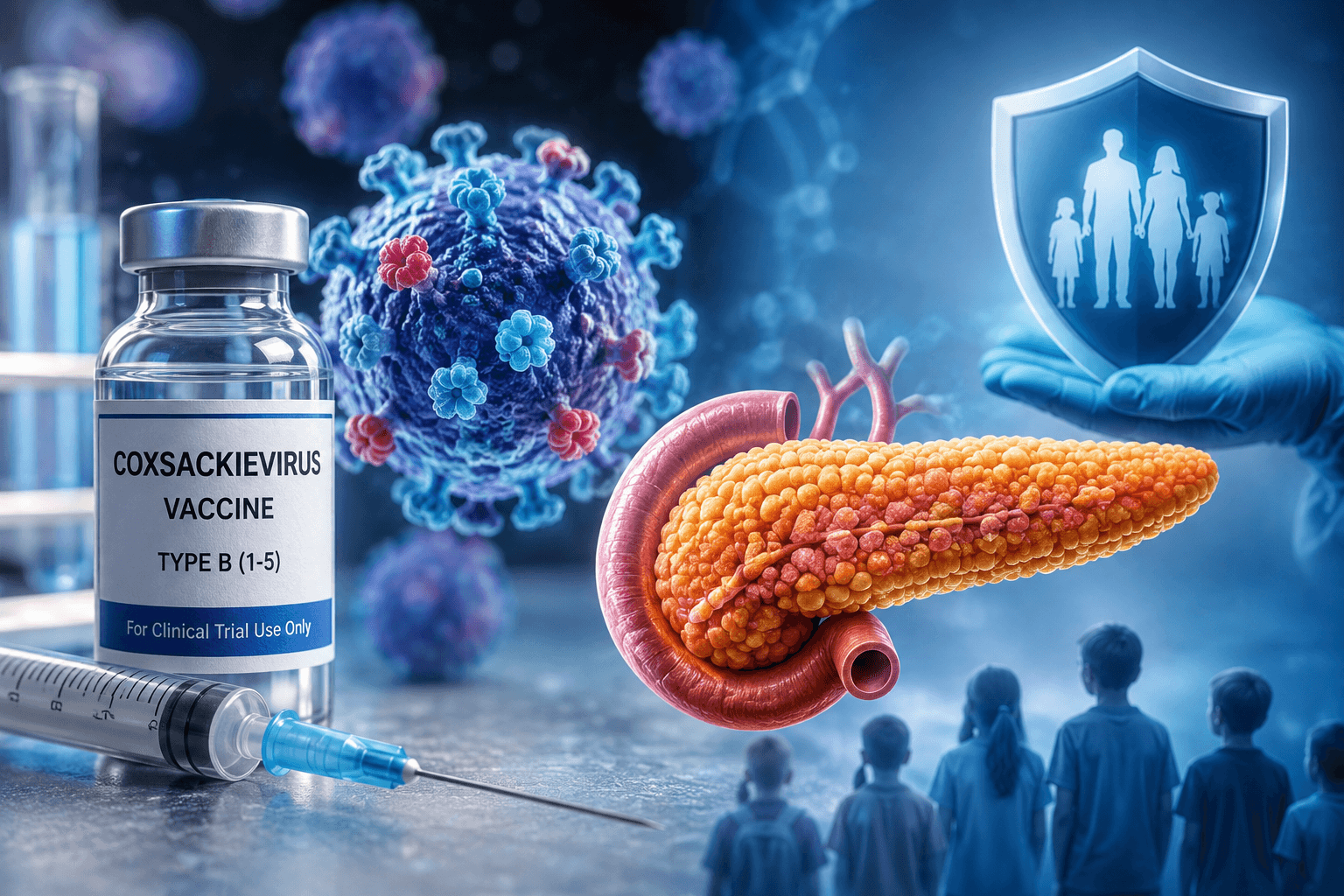
Could preventing a common viral infection also prevent some cases of type 1 diabetes? Researchers have pursued that question for decades, and the first human vaccine studies are providing important clues. The idea of using a Coxsackievirus vaccine to help prevent type 1 diabetes focuses on certain Coxsackie B viruses, …
Read More »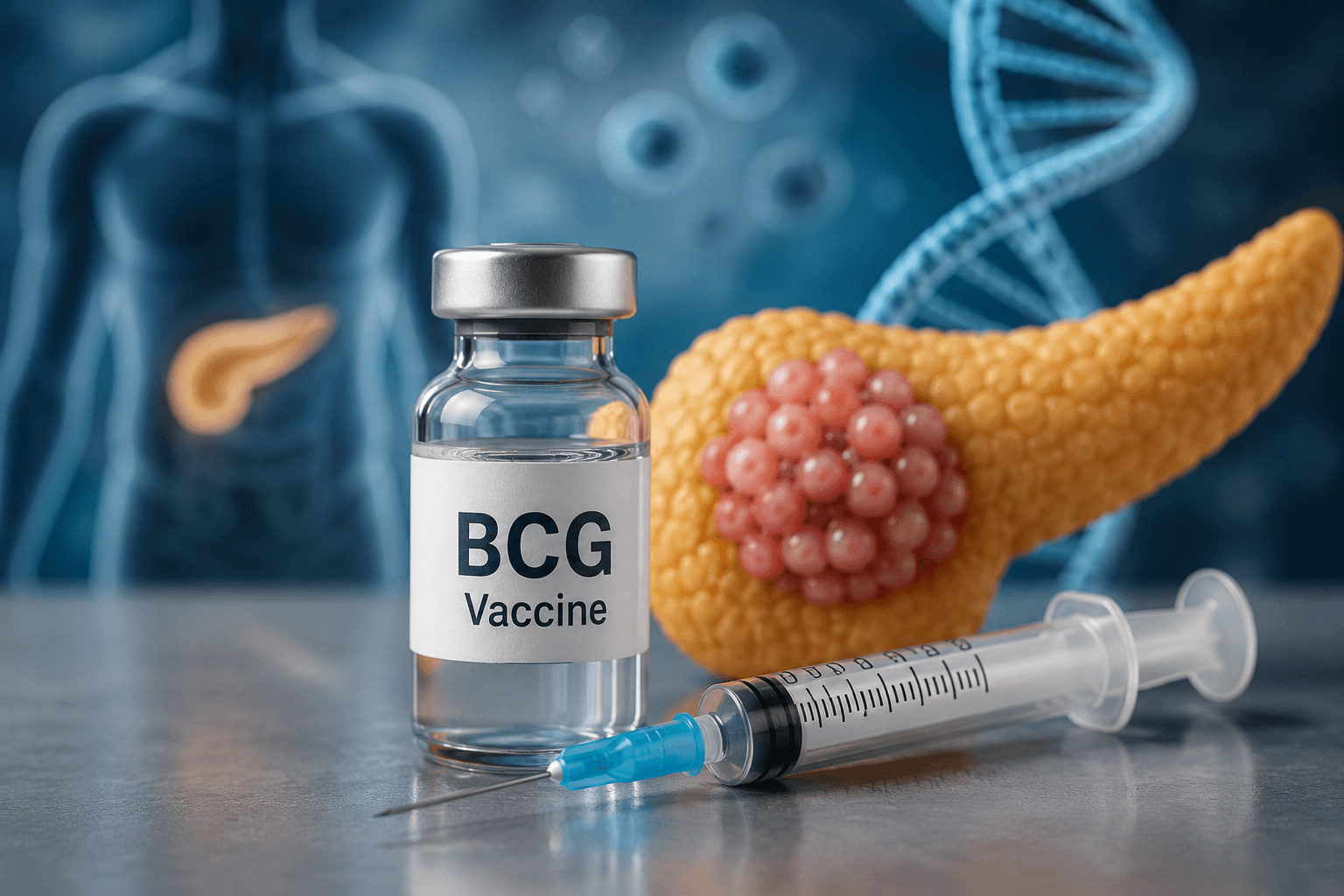
For more than 100 years, the Bacillus Calmette-Guérin (BCG) vaccine has been used worldwide to help prevent tuberculosis. However, researchers are now exploring another possible role for this familiar vaccine. Recent studies suggest that the BCG vaccine may play a role in treating type 1 diabetes by modifying the immune …
Read More »
Receiving a diagnosis of type 1 diabetes can feel overwhelming. Yet for many adults, the weeks or months that follow bring an unexpected twist. Blood glucose levels often become easier to control, insulin needs decrease, and some people wonder if their diabetes is actually improving. This temporary period is known …
Read More »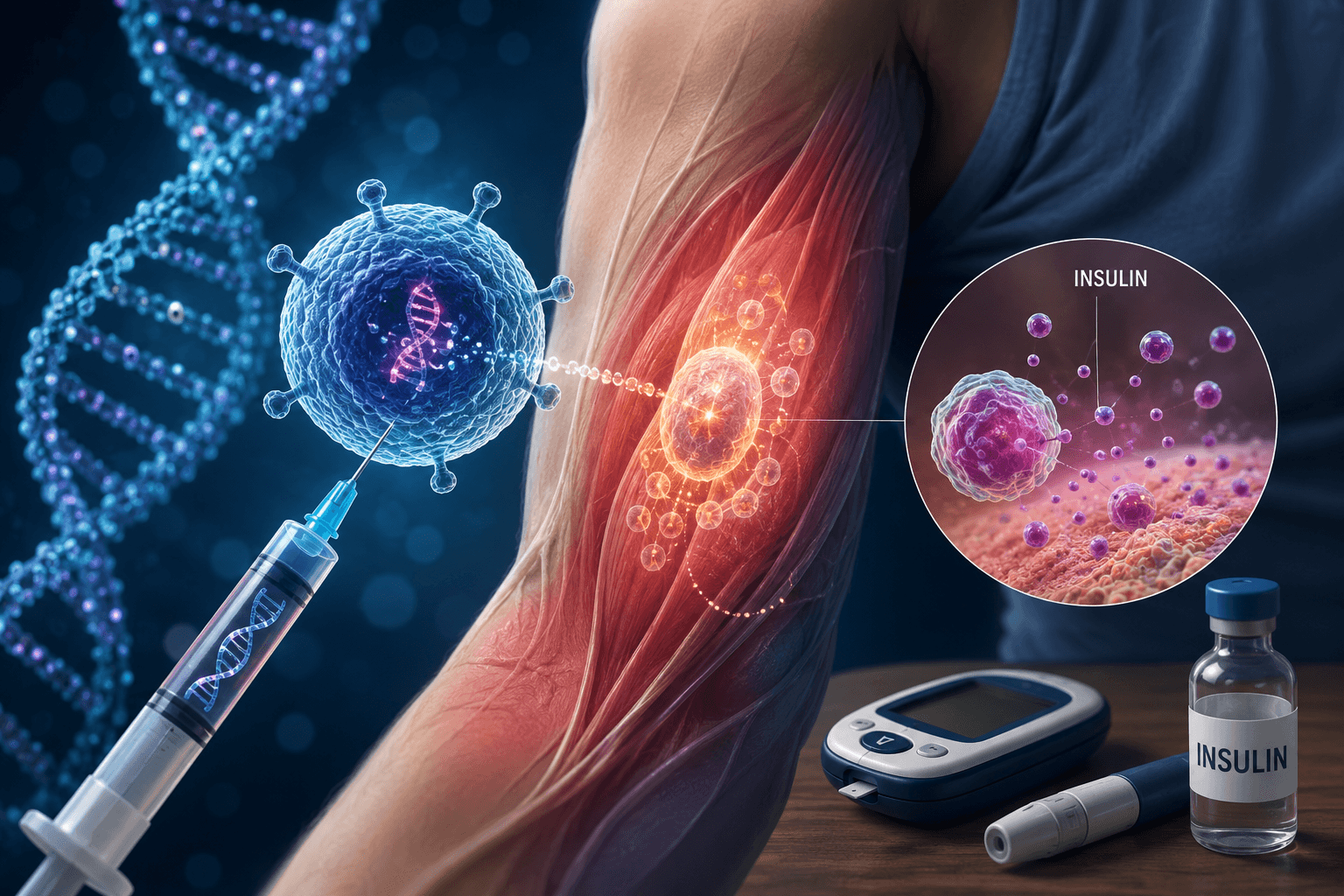
For more than a century, insulin therapy has remained the cornerstone of treatment for type 1 diabetes. While continuous glucose monitors, insulin pumps, and automated insulin delivery systems have dramatically improved diabetes management, they still do not replace the body’s natural ability to regulate blood sugar. As a result, researchers …
Read More »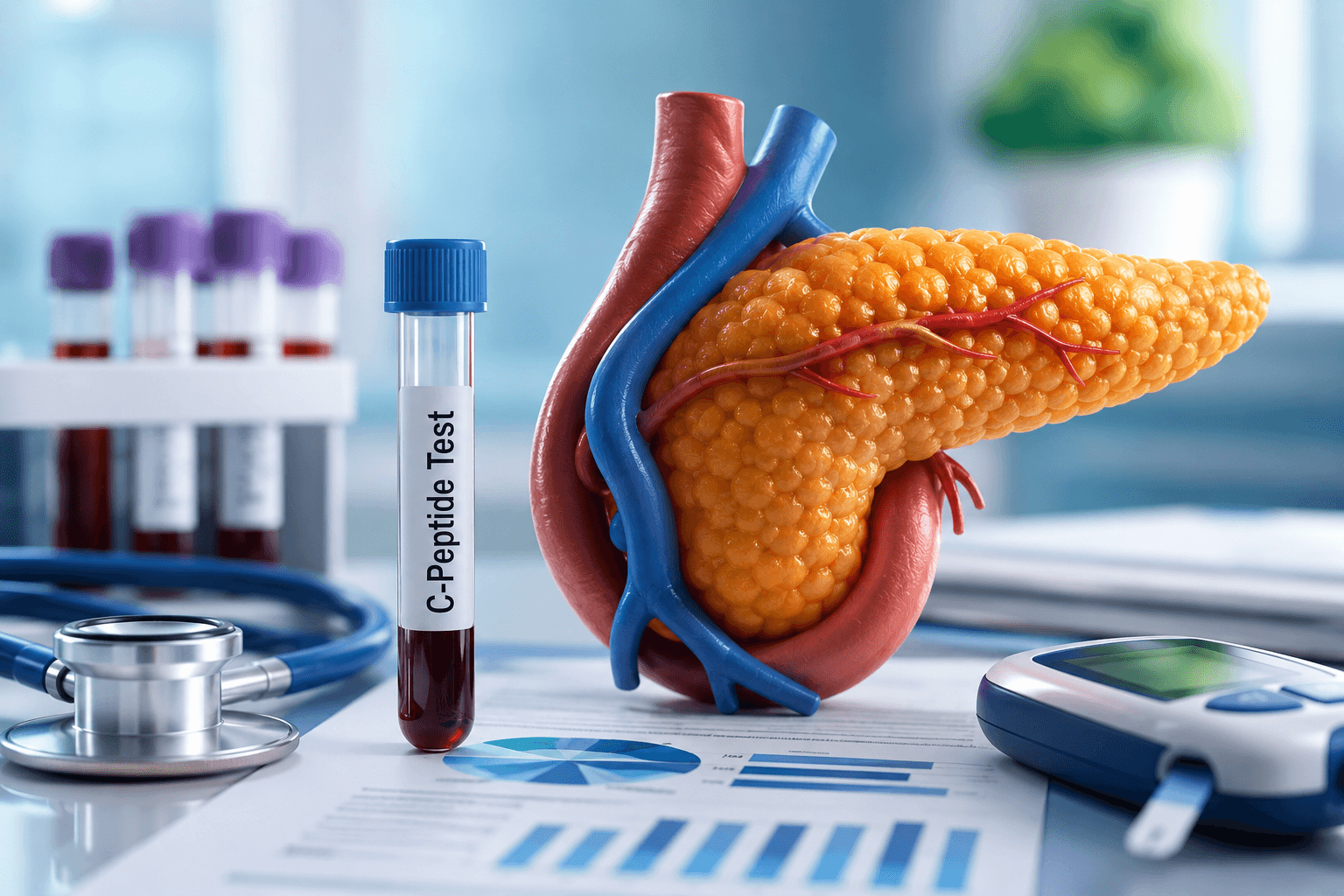
For many years, C-peptide testing was viewed as a simple tool to distinguish type 1 diabetes from type 2 diabetes. However, the story has changed. As researchers gain a better understanding of pancreatic beta-cell function, C-peptide testing in diabetes has become much more valuable than a diagnostic aid alone. Today, …
Read More »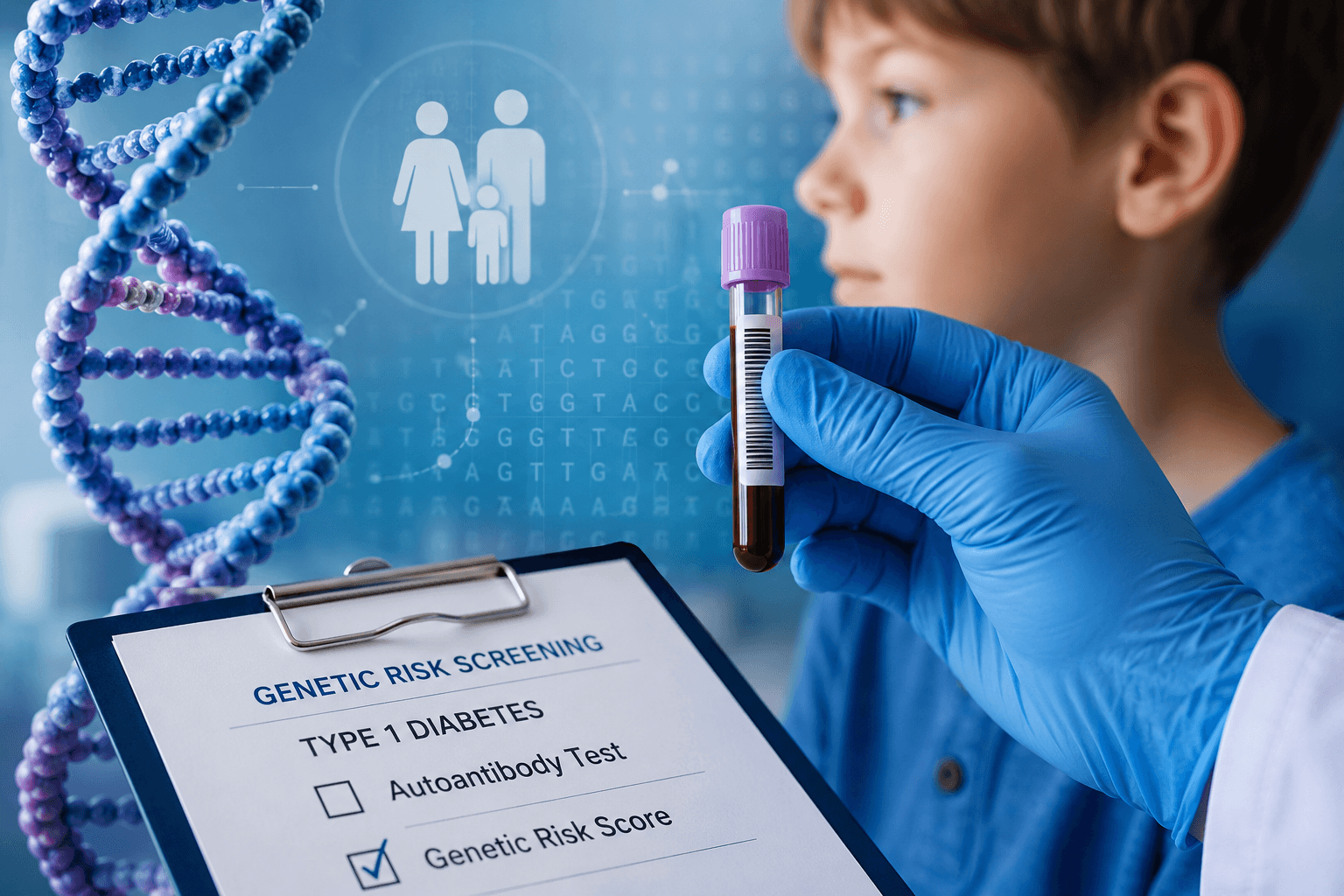
Population-based screening for type 1 diabetes is entering a new era. While autoantibody testing remains the gold standard for identifying individuals at high risk, researchers are increasingly investigating whether type 1 diabetes genetic screening could identify susceptible people even earlier. Advances in genomic science now make it possible to estimate …
Read More »
For decades, treatment after a type 1 diabetes diagnosis focused almost entirely on insulin replacement and blood glucose management. While advances in technology have improved care, clinicians have had few ways to address the autoimmune process driving beta-cell loss. That is beginning to change. With the FDA’s expansion of teplizumab-mzwv …
Read More »