 Diabetes In Control. A free weekly diabetes newsletter for Medical Professionals. News and information for Medical Professionals.
The study was done to evaluate the effect of adding pharmacists to primary care teams on management of hypertension and other cardiovascular risk factors in patients with Type 2 diabetes….
Read More »Jumpstart Your Metabolism: How to Lose Weight by Changing the Way You Breathe

By Pam Grout Reviewed by Sanaz Derakhshan, PharmD Candidate, LECOM Bradenton In Jumpstart Your Metabolism: How to Lose Weight by Changing the Way you Breathe, Pam Grout introduces an interesting method to increase the rate of metabolism. Grout was inspired by Anthony Robbins’ motivational tapes and noticed they helped increase …
Read More »Screening for Diabetes and Pre-Diabetes
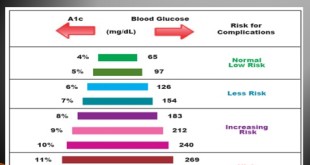
Patients who are overweight or obese with additional risk factors should be assessed for diabetes and pre-diabetes – if a person is found to have pre-diabetes they need to be monitored for disease progression.
Read More »Diagnosis and Management of Type 2 Diabetes, 10th Edition, Ch 13-Pt 3

Assessment of the Treatment Regimen, Part 3 Steve V. Edelman, MD Robert R. Henry, MD Self-Monitoring of Blood Glucose (SMBG) Systems A combination of factors affect the overall performance of SMBG systems…
Read More »Diagnosis and Management of Type 2 Diabetes, 10th Edition, Ch 13-Pt 4
Assessment of the Treatment Regimen, Part 4 Steve V. Edelman, MD Robert R. Henry, MD Applying SMBG Results to Adjust Insulin Doses Patients can be taught how to analyze and use SMBG data to effectively make adjustments in their insulin doses so that they can maintain and improve glycemic control…. …
Read More »Diagnosis and Management of Type 2 Diabetes, 10th Edition, Ch 14, Pt1
Acute Complications: Metabolic – DKA Steve V. Edelman, MD Robert R. Henry, MD The most common acute complications of diabetes are metabolic problems (DKA, HHNS, hypoglycemia) and infection. In addition, the quality of life of patients with chronic and severe hypoglycemia is adversely affected. Characteristic symptoms of tiredness and lethargy …
Read More »Diagnosis and Management of Type 2 Diabetes, Tenth Edition, Ch 9, Pt 2
Selecting an Insulin Preparation, Chapter 9 – Part 2 Steve V. Edelman, MD, Professor of Medicine, Division of Endocrinology and Metabolism, University of California, San Diego Robert R. Henry, MD, Professor of Medicine, Division of Endocrinology and Metabolism, University of California, San Diego There are three types of insulin: animal, …
Read More »Diagnosis and Management of Type 2 Diabetes, Tenth Edition, Ch 9, Pt 3
Application of Intensive Insulin Therapy, Chapter 9 – Part 3 Steve V. Edelman, MD, Professor of Medicine, Division of Endocrinology and Metabolism, University of California, San Diego Robert R. Henry, MD, Professor of Medicine, Division of Endocrinology and Metabolism, University of California, San Diego The goals of therapy …
Read More »Diagnosis and Management of Type 2 Diabetes, 10th Edition, Ch 9-Pt 4
Combination Therapy, Chapter 9 – Part 4 Steve V. Edelman, MD Robert R. Henry, MD Combination therapy usually refers to the use of oral antidiabetic agents (daytime) together with a single injection of intermediate-acting or long-acting insulin at bedtime. The rationale for using an evening-insulin strategy is based on the …
Read More »Diagnosis and Management of Type 2 Diabetes, 10th Edition, Ch 9-Pt 5
Multiple-Injection Regimens, Chapter 9 – Part 5 Steve V. Edelman, MD Robert R. Henry, MD One of the more common insulin regimens utilized in Type 2 diabetes mellitus is a split-mixed regimen consisting of a prebreakfast and predinner dose of an intermediate- and a fast-acting insulin. This split-mixed regimen of …
Read More »