Mar 4, 2012
Clinical Presentations
2,199 views
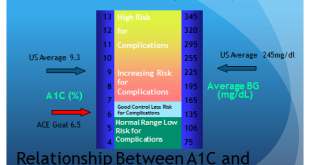
This week we begin a new Homerun Slides series covering Hypo and Hyperglycemia from our Editor-in-chief, Dave Joffe, BSPharm, CDE, FACA, which will include facts and figures on this burgeoning epidemic.
Read More »
Feb 29, 2012
Products
2,643 views
Insulution Introduces the Daily Dose(TM) The World’s Smallest Syringe: Daily Dose is the world’s smallest insulin syringe and is designed to satisfy the requirement to be small, neat and convenient. Daily Dose is easily carried, for example, in a wallet or the cash pocket of jeans, so patients will have …
Read More »
Feb 29, 2012
Articles
1,625 views
Thirty-five percent of the time for 250,000 newly diagnosed diabetes patients, physicians did not follow the ADA/EASD consensus guidelines for recommended treatment.…
Read More »
Feb 29, 2012
Articles, Neurology, Neuropathy & Pain
2,069 views
The high cost of diagnosing peripheral neuropathy could be greatly reduced if doctors ordered the right tests.…
Read More »
Feb 29, 2012
Articles, Obesity
2,204 views
The FDA Endocrinologic and Metabolic Drugs Advisory Committee voted overwhelmingly (20 to 2) in favor of approving the obesity drug Qnexa (Vivus, Inc.), a combination of phentermine and controlled-release topiramate. Qnexa could be the first prescription drug for obesity to reach the market since 1999.…
Read More »
Feb 29, 2012
Articles, Obesity
1,754 views
An FDA advisory committee’s endorsement of the anti-obesity drug Qnexa could re-energize the pharmaceutical industry after several years of disappointment in trying to develop anti-obesity drugs.…
Read More »
Feb 29, 2012
Articles, Neuropathy & Pain, Prediabetes
3,414 views
In a reversal of two decades of medical reports, a Mayo Clinic study finds the frequency of nerve damage called diabetic polyneuropathy is similar in prediabetic patients and healthy people….
Read More »
Feb 29, 2012
Articles
1,632 views
A new study contradicts previous studies showing no benefit to self-monitoring for new type 2’s, at least in the first year.…
Read More »
Feb 29, 2012
Articles
7,548 views
Brain insulin may act as a satiety signal during the postprandial period and is associated with decreased appetite and reduced intake of highly palatable food….
Read More »
Feb 29, 2012
Articles
1,697 views
Short-term treatment with liraglutide improved visceral fat adiposity, appetite, food preference and the urge for fat intake in obese Japanese patients with type 2 diabetes.…
Read More »
 Diabetes In Control. A free weekly diabetes newsletter for Medical Professionals. News and information for Medical Professionals.