 Diabetes In Control. A free weekly diabetes newsletter for Medical Professionals. News and information for Medical Professionals.
By studying identical twins, researchers have identified mechanisms that could be behind the development of type 2 diabetes…. The study involved 14 pairs of identical twins in Sweden and Denmark. One of each twin had type 2 diabetes while the other was healthy. Emma Nilsson, the researcher who carried out …
Read More »Post-surgery Complications More Likely with Insulin-dependent Diabetes
Insulin-dependent diabetes patients were at an increased risk of post-surgery complications following lumbar fusion including death, sepsis, wound infection and 30-day readmission…. Patients with insulin-dependent diabetes mellitus (IDDM) have an increased risk of a number of postoperative complications after lumbar fusion compared with those who have noninsulin-dependent diabetes mellitus (NIDDM) …
Read More »Link between Lean BMI and Mortality in Diabetes
Type 2 diabetes patients with a BMI between 18.5 and 24.9 kg/m2 had the lowest mortality rate, while those in the 14.4 to 18.5 BMI range had an increased rate….
Read More »Tight Blood Sugar Control May Not Be Needed for Heart Bypass
Survival rates similar for those with looser glucose limits…. Some previous research has suggested that high blood sugar after bypass and other types of heart surgery was associated with increased risk of health problems and death, but more recent research has found that might not be the case. This new …
Read More »Diabetes Education, Part 3
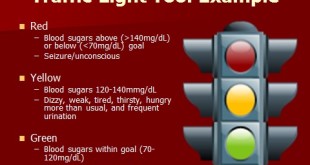
This week, we wrap up our short series of Type 1 Diabetes and Psychoeducation covering topics such as: Psychotherapeutic Interventions; the Role of Healthcare Providers; and Creating a Plan of Action. We’ve also included a list of resources for further research…. To download this slide set in PowerPoint format, just …
Read More »Handbook of Diabetes, 4th Edition, Excerpt #12: Hypoglycemia

Rudy Bilous, MD, FRCP Richard Donnelly, MD, PHD, FRCP, FRACP Etiology and clinical presentation Hypoglycemia is a common side effect of treatment with insulin and oral antidiabetic drugs, especially sulphonylureas, and is a major factor preventing patients with type 1 and 2 diabetes from achieving near normoglycemia. The brain is dependent …
Read More »Standing Desks for Students

Standing Desks for Students: Could Standing Desks Combat Childhood Obesity? By changing the desks in our schools, we could impact the health of our nation.Obesity is a big concern and some adults are opting to use standing desks rather than office chairs to avoid long hours of sitting at work. Is …
Read More »EASD: Insulin Pumps Lower Mortality Rate 29% Compared to Multiple Injections in T1DM
And fatal cardiovascular disease risk is 43% lower for type 1 diabetes patients using insulin pumps over multiple daily injections…. Dr. Gudbjörnsdottir and colleagues in Sweden conducted an observational study using patient data from the Swedish National Diabetes Registry from 1996 till 2014. The data included more than 95% of …
Read More »EASD: Targeting the Adaptive Glycosuria Response of SGLT2 Inhibitors Could Help Weight Loss
Combining SGLT2 inhibitor treatment with strategies to maintain energy intake or curb appetite could be an avenue for weight loss….
Read More »EASD: Probiotic Use and Islet Autoimmunity in Young Children
Early probiotic supplementation may reduce the risk of islet autoimmunity in young children…. Gut microbiota play an important role in enhancing immune system and excluding pathogens competition. Previous studies have shown that dysbiosis in gut microbiota and impaired gut barrier could be associated with type 1 diabetes in humans and …
Read More »