Mar 13, 2026
Articles, Blood Glucose Control, Blood Glucose Control, Diabetes, Geriatric Medicine, Type 2 Diabetes, Type 2 Diabetes
6,468 views
Type 2 diabetes management has evolved rapidly over the past decade. As new therapies improve glucose control and cardiometabolic outcomes, many patients achieve better metabolic stability than before. However, this progress often comes with a challenge: medication overload. Deprescribing in diabetes care has emerged as a thoughtful clinical approach that …
Read More »
Mar 13, 2026
Articles, Blood Glucose Control, Blood Glucose Control, Diabetes, Type 1 Diabetes, Type 1 Diabetes
2,793 views
Continuous ketone monitoring for diabetes is emerging as one of the most intriguing developments in metabolic care. For decades, clinicians relied on periodic blood or urine tests to detect rising ketones. However, those methods often identify problems only after metabolic imbalance has already progressed. In contrast, newer sensor systems promise …
Read More »
Mar 12, 2026
Articles, Cardiology, Nephrology, Prevention, Type 2 Diabetes, Type 2 Diabetes
2,576 views
The concept of CKM staging in primary care has gained attention as clinicians look for better ways to manage the growing overlap between cardiovascular disease, kidney disease, diabetes, and metabolic disorders. However, many providers still wonder how to translate the CKM framework into daily clinical practice. Think of CKM staging …
Read More »
Mar 12, 2026
Articles, Cardiology, GLP- 1 Agonist Therapy Center
2,038 views
GLP-1 receptor agonists have reshaped the management of type 2 diabetes and obesity. However, growing interest now surrounds the potential role of GLP-1 therapy in normal-weight patients with cardiometabolic risk and whether treatment decisions should rely less on BMI alone. While body mass index remains a widely used screening tool, …
Read More »
Mar 11, 2026
Articles, Diabetes, Gastroenterology, GLP- 1 Agonist Therapy Center, Therapies, Type 2 Diabetes, Type 2 Diabetes
3,993 views
GLP-1 receptor agonists have transformed diabetes care, but the long-term safety of GLP-1 therapies has become an important topic as treatment continues for many years. Initially, clinicians prescribed these medications primarily for glycemic control in patients with type 2 diabetes. However, their role has expanded due to additional benefits in …
Read More »
Mar 11, 2026
Articles, Diabetes, GLP- 1 Agonist Therapy Center, Nephrology, Type 2 Diabetes, Type 2 Diabetes
1,948 views
Chronic kidney disease (CKD) remains one of the most serious complications associated with diabetes, affecting millions of patients worldwide. While SGLT2 inhibitors have become foundational therapies for protecting kidney function, researchers are increasingly examining whether other drug classes may also slow renal decline. In particular, growing interest surrounds how GLP-1 …
Read More »
Mar 9, 2026
Articles, GLP- 1 Agonist Therapy Center, Obesity, Obesity, Oncology, Type 2 Diabetes, Type 2 Diabetes
3,501 views
GLP-1 receptor agonists have transformed diabetes and obesity treatment, yet safety questions still surface in clinic visits. One concern continues to appear in patient discussions: thyroid cancer risk. The topic often traces back to early rodent studies that triggered boxed warnings for medullary thyroid carcinoma (MTC). However, clinicians today rely …
Read More »
Mar 9, 2026
Articles, Blood Glucose Control, Blood Glucose Control, GLP- 1 Agonist Therapy Center, Ophthalmology, Type 2 Diabetes, Type 2 Diabetes
2,381 views
GLP-1 receptor agonists and dual incretin therapies are transforming diabetes care. These medications often produce significant and rapid improvements in glycemic control, sometimes lowering A1C levels faster than traditional treatments. However, clinicians have begun asking an important question: could rapid A1C reduction with GLP-1 therapy increase retinopathy risk in some …
Read More »
Mar 6, 2026
Articles, Blood Glucose Control, Blood Glucose Control, Diabetes, Safety, Sulfonylurea, Type 2 Diabetes, Type 2 Diabetes
4,089 views
Managing the risk of hypoglycemia remains a central challenge in diabetes care, even as newer therapies lower the rate of severe events. Although GLP-1 receptor agonists and SGLT2 inhibitors have reshaped treatment strategies, insulin and sulfonylureas are still widely used, especially among older adults and patients with chronic kidney disease …
Read More »
Mar 6, 2026
Articles, Blood Glucose Control, Blood Glucose Control, Devices, Diabetes
2,363 views
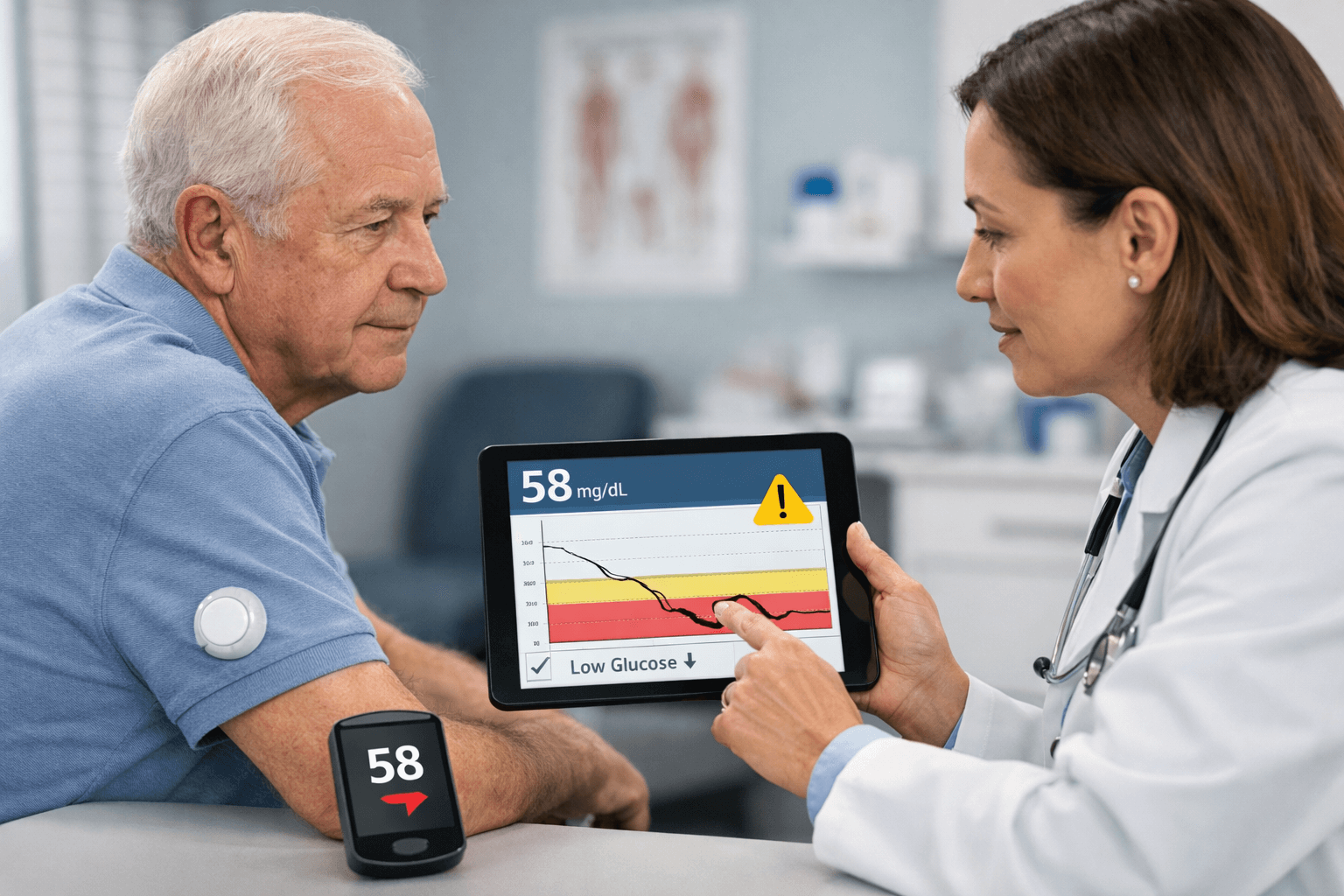
Continuous glucose monitoring has transformed diabetes care, but are we fully using the data it provides? In 2026, time in range is moving beyond a simple CGM metric and becoming a formal therapeutic target in diabetes care. While A1C remains important, time in range (TIR) offers a more dynamic and …
Read More »
 Diabetes In Control. A free weekly diabetes newsletter for Medical Professionals. News and information for Medical Professionals.