 Diabetes In Control. A free weekly diabetes newsletter for Medical Professionals. News and information for Medical Professionals.
A study tests postprandial inhaled glucose for a more natural insulin effect.
Read More »Inhaled Vs. Injected Insulin
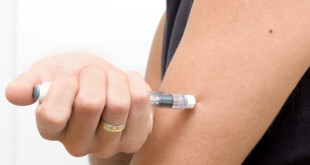
A study tests postprandial inhaled glucose for a more natural insulin effect.
Read More »
Your patient has been checking their blood glucose after a meal and then using the reading to correct with insulin. What do you do?
- Wait 3 hours since their last injection of rapid insulin
- Wait 4 hours
- Wait 5 hours
- Wait 6 or more hours
- Have them use a calculation to adjust for onboard insulin, then use that in their calculation to correct
Follow the link to respond.
Read More »
Which of the following is true regarding the presentation and diagnosis of hypertriglyceridemia?
A. Hypertriglyceridemia is usually asymptomatic until triglyceride levels are greater than 500-900 mg/dL.
B. When triglycerides are elevated, blood glucose and A1c should be checked to rule out uncontrolled diabetes.
C. Second-degree relatives should be screened for hyperlipidemia.
D. The use of oral contraceptives, beta-blockers, and thiazide diuretics have been linked to decreased plasma triglyceride and very low-density lipoprotein (VLDL) levels.
Follow the link for the answer.
Read More »
Patient is male, 48 years of age, type 2 diabetes with hyperglycemia for eight years, class III obesity, and very symptomatic GERD. Patient planned to have laparoscopic sleeve gastrectomy. I asked him why he chose that particular surgery. He said, "Because it's less invasive." I asked if his surgeon told him the sleeve gastrectomy could increase his GERD, and is not as effective for the treatment of type 2 diabetes nor for weight loss as is a bypass. He said, "No, the surgeon just left it to my choice. I said I wanted the sleeve and he was good with that."
Read More »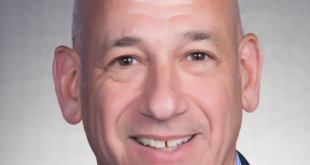
Joshua Safer, MD, FACP, is the Executive Director of the Mount Sinai Center for Transgender Medicine and Surgery in New York. Previously, he was the inaugural Medical Director of the Center for Transgender Medicine and Surgery at Boston Medical Center. He is also Senior Faculty at the Icahn School of Medicine at Mount Sinai.
Read More »
In this week's Homerun Slides, it's time for another round of Endocrinology Jeopardy, courtesy of Dr. Claude Lardinois! This week's clue: 56-year-old male with loss of libido, testosterone 40 mg/dL, and prolactin 65 mg/dL (Normal <20).
Read More »
Chronic hyperglycemia as a cause of impaired insulin secretion In 1948, Lukens and Dohan administered large doses of glucose to normal cats and induced permanent hyperglycemia, hydropic degeneration of the islet of Langerhans, and ketonuria in 4 out of 35 cats studied. These investigators proposed that hyperglycemia could play a role in the pathogenesis of diabetes. In recent years, several approaches have been used to directly examine the harmful effects of chronic hyperglycemia on insulin secretion. These studies have established that chronic hyperglycemia impairs beta-cell responsiveness to glucose although the exact biochemical mechanism(s) mediating this effect remain to be clearly defined.
Read More »
In this Exclusive Interview transcript, Joshua Safer talks with Diabetes in Control publisher Steve Freed during the AACE 2018 convention in Boston about transgender medicine and the role of endocrinology in treating transgender patients.
Read More »
In this Exclusive Interview, Joshua Safer talks with Diabetes in Control publisher Steve Freed during the AACE 2018 convention in Boston about transgender medicine and the approach to transgender care.
Read More »
In part 1 of this Exclusive Interview, Joshua Safer talks with Diabetes in Control Publisher Steve Freed about the need to understand the evidence for and approach to transgender medicine, and strategies for the use of hormones.
Read More »