Jan 16, 2026
Articles, Blood Glucose Control, Blood Glucose Control, Diabetes, Diet and Nutrition, Feature, Physical Activity, Top Articles, Type 2 Diabetes, Type 2 Diabetes
2,957 views
With the release of the ADA 2026 diabetes sleep guidelines, the American Diabetes Association has officially elevated sleep and circadian rhythm health to core pillars of diabetes care—right alongside nutrition, physical activity, and medication. These new standards mark a significant shift toward more holistic and behavioral-focused approaches to managing diabetes. …
Read More »
Jan 16, 2026
Articles, Diabetes, Obesity, Therapies, Top Articles, Type 2 Diabetes, Type 2 Diabetes
2,866 views
The rising interest in GLP‑1 MASLD MASH treatment has transformed how clinicians view metabolic therapies for patients with type 2 diabetes and obesity. While GLP‑1 receptor agonists have long been recognized for their glucose-lowering and weight-loss effects, they now offer potential for improving liver outcomes, especially in individuals with metabolic …
Read More »
Jan 16, 2026
Articles, Nephrology, Top Articles, Type 2 Diabetes, Type 2 Diabetes
2,620 views
Managing type 2 diabetes in people with advanced chronic kidney disease (CKD) and end-stage kidney disease (ESKD) on dialysis presents unique clinical challenges. With the 2026 Standards of Care increasingly shifting the focus toward cardio-renal outcomes, many clinicians are asking: how far can we go safely with GLP‑1 receptor agonists …
Read More »
Jan 9, 2026
Articles, Blood Glucose Control, Blood Glucose Control, Devices, Diabetes, Type 1 Diabetes, Type 2 Diabetes
5,995 views
With diabetes technology evolving rapidly, clinicians face more choices than ever before. From continuous glucose monitors (CGMs) to insulin pumps and patch devices, today’s tools can transform diabetes care—but only when matched to the right patient. This article provides a comprehensive diabetes technology comparison, helping you understand each option’s features, …
Read More »
Jan 9, 2026
Articles, Diabetes, Diet and Nutrition, Obesity, Therapies, Type 2 Diabetes, Type 2 Diabetes
7,822 views
GLP‑1 receptor agonists have changed the way we treat type 2 diabetes and obesity, offering powerful glucose-lowering effects and sustained weight loss. But as more patients stay on these medications for years—not just months—questions around GLP‑1 long‑term safety have become essential to address. From gastrointestinal discomfort to gallbladder risks and …
Read More »
Jan 9, 2026
Articles, Obesity, Therapies, Type 2 Diabetes, Type 2 Diabetes
4,404 views
The GLP‑1 mechanism of action is more than a tool for lowering glucose—it’s a central player in a complex system influencing body weight, cardiovascular outcomes, liver health, and possibly even brain function. As GLP‑1 receptor agonists become more widely prescribed, understanding how this pathway works helps clinicians better tailor treatments …
Read More »
Jan 9, 2026
Articles, Blood Glucose Control, Blood Glucose Control, Diabetes, Therapies, Type 2 Diabetes, Type 2 Diabetes
2,633 views
Imagine reducing your patients’ insulin injections from 365 a year to just 52. That’s the promise of once‑weekly insulin — a next-generation option designed to simplify treatment, enhance adherence, and improve patient outcomes. While this innovation is gaining traction, many healthcare providers still have questions about when and how to …
Read More »
Jan 9, 2026
Alzheimers, Articles, Neurology, Type 2 Diabetes, Type 2 Diabetes
1,379 views
Glucagon‑like peptide‑1 (GLP‑1) receptor agonists have revolutionized type 2 diabetes and obesity treatment—but could they also impact your brain? As headlines tout possible cognitive benefits, many patients and clinicians are asking: Can GLP‑1 drugs lower dementia risk? This article breaks down what we know so far, explains the science behind …
Read More »
Jan 9, 2026
Articles, Diabetes, Obesity, Therapies, Type 2 Diabetes, Type 2 Diabetes
1,784 views
Early research suggests GLP‑1 drugs may reduce alcohol intake by dampening reward signaling and hedonic hunger, sparking interest among diabetes clinicians about the potential of GLP-1 alcohol use reduction. While findings so far are promising, understanding the nuances of the evidence is essential when talking with patients. This article explores …
Read More »
Jan 9, 2026
Articles, Blood Glucose Control, Blood Glucose Control, Diabetes, Type 1 Diabetes, Type 1 Diabetes
1,848 views
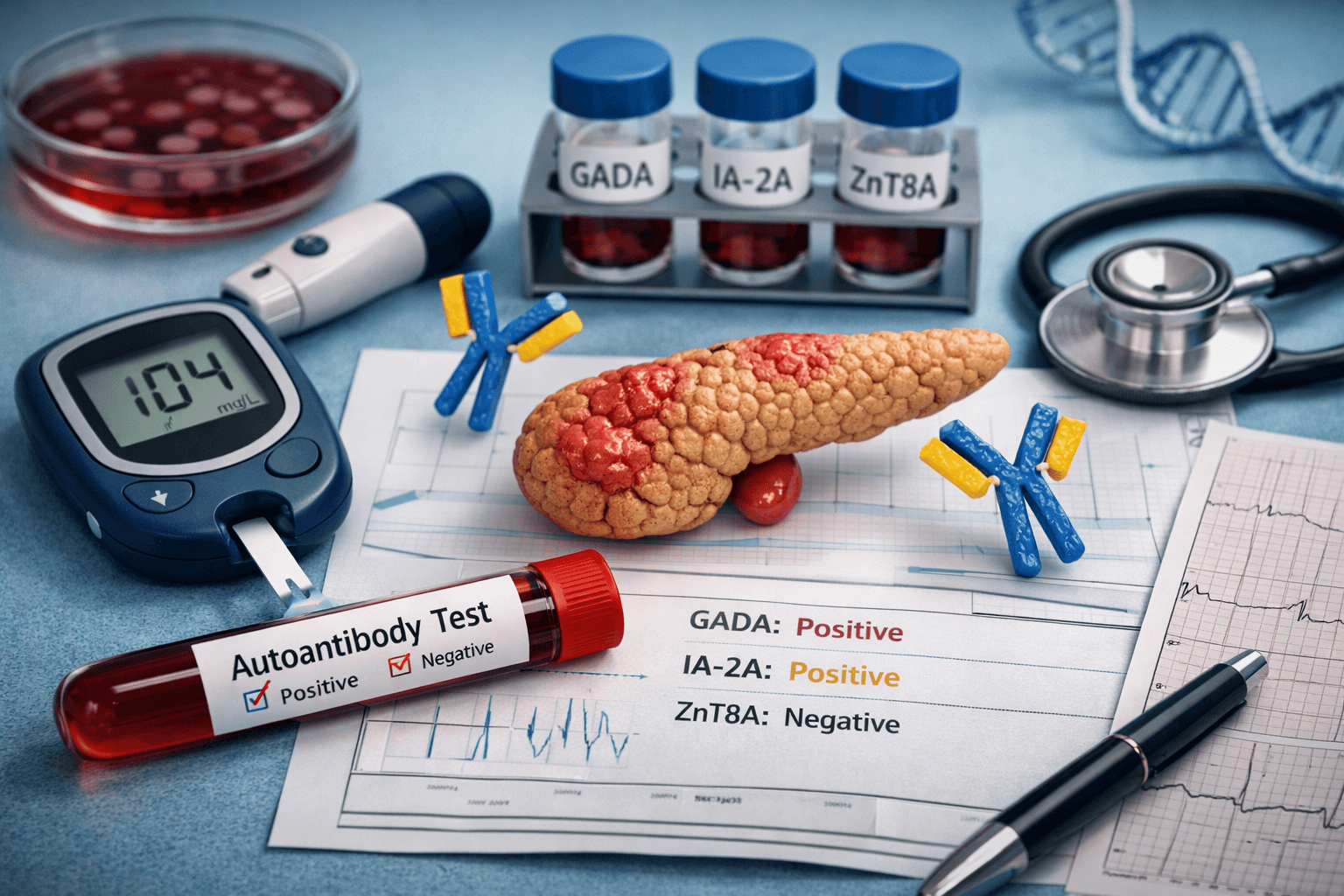
Type 1 diabetes doesn’t have to be a surprise. Thanks to type 1 diabetes autoantibody screening, clinicians can now identify individuals at high risk before symptoms even appear. This early detection opens doors for proactive monitoring, patient education, and potentially delaying or preventing full-blown disease. But who should be screened? …
Read More »
 Diabetes In Control. A free weekly diabetes newsletter for Medical Professionals. News and information for Medical Professionals.