 Diabetes In Control. A free weekly diabetes newsletter for Medical Professionals. News and information for Medical Professionals.
H.R. 1726 bill, known as The Access to Quality Diabetes Education Act of 2015, would amend title XVIII of the Social Security Act to recognize credentialed diabetes educators as providers of diabetes education services, including telehealth services, under part B of the Medicare program…
Read More »High Amount of High-fat Dairy Foods May Decrease Risk of Type 2 Diabetes
Consumption of high-fat yogurt and cheese linked to reduction in risk of type 2 diabetes by as much as a fifth… The findings are in line with previous studies of eating habits that indicated a link between high consumption of dairy products and a reduced risk of type 2 diabetes. …
Read More »GLP-1 Levels Lower in Those Exposed to Diabetes in Utero
Adult offspring of mothers who had GDM or type 1 diabetes during pregnancy showed lower levels of fasting GLP-1 and weakened glucagon suppression… Louise Kepstrup, MD, of Copenhagen University Hospital in Denmark, and colleagues in the follow-up study, evaluated data on adult children (aged 18-27 years) from all pregnancies complicated …
Read More »Glyburide Used for Gestational Diabetes May Increase Risk of Birth Complications
Complications seen in the study included respiratory distress, high birth weight, neonatal intensive care unit admission, and hypoglycemia… Over the last 10 years, the use of glyburide to treat gestational diabetes has increased. Even though it is easy to use, however, it may not be a good alternative to insulin …
Read More »A Novel Scale May Indicate Glycemic Progression to Type 1 Diabetes
Certain changes in blood glucose levels over six months could indicate the onset of type 1 diabetes…. A progression scale for 6 months (PS6M) served as an indicator of short-term glycemic progression toward T1D, and could possibly be a useful tool for evaluating preventive treatments and biomarkers of T1D. Blood …
Read More »Type 2 Diabetes and Other Diseases Risk Related to Increase in Artificial Light?
Lask of natural light said to disrupt circadian rhythms… Circadian rhythms are the physical and mental changes in the body responding to the cycle of light and darkness which regulate sleep/wake cycles, hormone releases, and body temperature. The study suggests the circadian rhythm could be disrupted due to a lack …
Read More »Women Retain Insulin Sensitivity Better than Men
Protein activity in female muscles said more efficient… It’s long been known that obese men are more likely to develop type 2 diabetes than obese women, but researchers at McMaster University have discovered it may be related to a difference between the sexes in the activity of a protein in …
Read More »Artificial Pancreas Software Algorithm Receives Approval in Europe
Glucositter software from DreaMed reduces hypoglycemia and increases time spent in-range in overnight and 24-hours/day use…
Read More »A Potential New Type 2 Diabetes Indicator
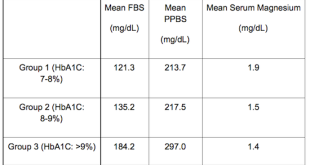
Serum magnesium level could be used to indicate the duration and control of T2DM patients… Low levels of magnesium have been associated with diabetes mellitus. Magnesium plays a role in carbohydrate metabolism and insulin action: it is a cofactor used in transporting glucose across cellular membrane and for enzymes involved …
Read More »Gastric Electrical Stimulation an Alternative to Insulin Injections?

Device implantation could be the future in T2DM and weight loss… Weight gain is often a side effect of several different oral antidiabetic drugs (OADs), such as sulfonylureas and thiazolidinedion, along with insulin. Lifestyle modification and weight loss is always recommended in T2DM, but we all know it takes great …
Read More »