 Diabetes In Control. A free weekly diabetes newsletter for Medical Professionals. News and information for Medical Professionals.
- Type 1 Diabetes Increases Risk for Other Autoimmune Diseases
- Benefit of Canagliflozin In Patients with Type 2 Diabetes
- Meat Cooking Methods and Risk of Developing Type 2 Diabetes
- Impact of Weight Loss On Bone Fracture In Patients with Type 2 Diabetes
- Mortality Rates Due to Chronic Kidney Disease in Diabetes
- Motivational Tips for Getting and Staying Fit
- By Sheri R. Colberg, PhD
- Exclusive: Yehuda Handelsman on Lowering A1c and Managing LDL
Letter from the Editor

I have recently intensified my cycling training as I prepare for an 80 mile and 6000 foot climbing ride in Chattanooga next month. To get ready I have to switch from riding with our bike club 90% of the time to solo riding with a power meter and heart monitor most of the time. There is no doubt that these solo rides are harder because of their intensity, but they are also harder because there is no one to “share the pain” with.
This hit home with me when I read our special feature from Dr. Sheri Colberg where she discusses things your patients do to help them stick to their exercise routines. Be sure to check out her paragraph on “getting an exercise buddy.”
*****************************
We can make a difference!
*****************************
Dave Joffe
Editor-in-chief
This Week's Survey
Which lifestyle change do you feel is most important in controlling blood sugars and lowering A1c values — Nutrition, Physical activity, or both?
Follow the link to share your opinion.
Newsflash: Smart Socks Hit Market
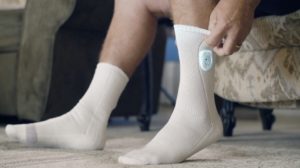 Siren announced that their new “smart socks,” which can detect foot injuries and alert the patient with diabetes who is wearing them, have now hit the market. The socks have microsensors woven into the fabric, which continuously monitor temperature to detect a rise in heat, a possible sign that inflammation is occurring. They alert the user with a smartphone notification or text message.
Newsflash: Abbott to Invest in Bigfoot Biomedical
Abbott is investing in the start-up Bigfoot Biomedical, a diabetes-focused company developing tech-friendly insulin pumps, pens, and glucose monitors. They agreed to integrate Abbott’s no-fingerstick FreeStyle Libre monitor with Bigfoot’s insulin delivery system — potentially leading to a new closed-loop system.
Newsflash: Tresiba U-100 Given Expanded Label
The FDA cleared an expanded label for Tresiba U-100 (insulin degludec injection) to include safety outcomes data from the DEVOTE trial, which found no increased risk of major cardiovascular events, as well as a lower risk for severe hypoglycemia.
Newsfash: Toujeo Max SoloStar Approved
FDA approved the highest-capacity long-acting insulin pen on the market — Toujeo Max SoloStar (insulin glargine 300 units/mL) — holding 900 units and providing up to 160 units/mL of insulin with just one injection.
Test Your Knowledge
Mr. Hernandez is a 45-year-old plumber of Hispanic heritage who has excessive weight (BMI 30 kg/m2). He arrives at your office for a first-time visit. He has not been to a physician during the last 7 years because he hasn’t always had health insurance and “doesn’t like going to the doctor.” However, he has been noticing lately that his vision seems a little blurry and he’s developed a red, itchy rash in his groin. He is a non-smoker and recalls being told a long time ago that he should eat a low salt diet, but he can’t remember why. On examination, his BP is 154/96 mm/Hg, and his pulse is 72, RR 22. His physical exam is notable for signs of a yeast infection in his groin. You order a CBC and A1C to be drawn that day before he leaves. You advise him how to treat his skin infection. When you receive the results of the blood test, it shows a random plasma glucose of 162 mg/dL and A1C 7.3%. You call Mr. Hernandez and ask him to return the next morning, before he has eaten, for additional labs.
In this individual, you might order all the following labs EXCEPT:
A. A1C
B. chem 12 panel
C. fasting lipid profile
D. urine ketones
Follow the link for the answer.
Did You Know? Grilled Meats and Fish Linked to Hypertension
Broiling, grilled or cooking meat, poultry, or fish has been found to be associated with an increased risk for hypertension. It was found to be independent of the amount consumed, and it was found the risk was even greater with higher intake of well-done meat. That char-grilled meat and fish may taste great, but it is increasing your risk, not only for cancer, but also for hypertension. The study of nearly 33,000 women in the Nurses’ Health Study (from 1996 to 2012) and 54,000 men in the Health Professionals Follow-Up Study (also from 1996 to 2012) showed that consumption of red meat, chicken, or fish prepared with open-flame or high-temperature cooking more than 15 times per month was associated with a 17% higher risk for hypertension compared with the lowest category of consumption of the foods, defined as fewer than four times per month. The results of the study showed that avoiding the use of open-flame and /or high-temperature cooking methods, including grilling/barbecuing, broiling, and even roasting can help reduce hypertension risk.
The study was presented at the American Heart Association EPI | Lifestyle Scientific Sessions 2018 in New Orleans, Louisiana.
Additional conditions more likely in those diagnosed later in life.
Canagliflozin is found to have reduced risk of cardiovascular death or hospitalization due to heart failure in type 2 diabetes patients.
Use of high temperature, open flame for cooking both red meat and chicken associated with increased risk.
Study shows greater than 20% weight decrease, especially in men, can significantly increase risk of fragility fractures.
Mortality rates increased in adults with diabetes, low estimated glomerular filtration rate in absence of albuminuria.
Patient App
Available through the Samsung Health service*, the DWP is powered by WellDoc’s platform that is used in its BlueStar® product. This consumer version, for people with type 2 diabetes, provides personalized information for users, such as interactive quizzes and videos, and the ability to conveniently monitor food intake, exercise, sleep, medication, and blood glucose readings for better diabetes self-management.
By Sheri R. Colberg, PhD
You may have started the new year out with the best of intentions to increase your fitness and better manage your diabetes by exercising regularly. If you have diabetes or are at risk for developing the disease, deciding to commit to fitness could be a real lifesaver. That’s why it’s more important than ever that you make sure this decision sticks. Here are some motivational tips for getting started being more active.
Yehuda Handelsman, MD, FACP, FACE, FNLA is an endocrinologist in private practice and Medical Director & Principal Investigator of the Metabolic Institute of America. He is a nationally and internationally recognized authority on Diabetes, Lipids, Obesity, HTN their and the prevention of cardiovascular disease.
Quote of the Week!
“It’s kind of fun to do the impossible.”
…Walt Disney
Diabetes in Control gratefully acknowledges the assistance of the following pharmacy doctoral candidates in the preparation of this week’s newsletter:
Vidhi Patel, Pharm. D. Candidate 2018, LECOM College of Pharmacy
Your Friends in Diabetes Care
Steve and Dave
Diabetes In Control
810 Bear Tavern Road Suite 102
Ewing, NJ, 08628
USA
www.diabetesincontrol.com