May 26, 2026
Articles, Blood Glucose Control, Blood Glucose Control, Diabetes, Neuropathy & Pain, Prevention, Type 2 Diabetes, Type 2 Diabetes
2,483 views
Diabetes-related complications often bring to mind kidney disease, neuropathy, or vision problems. However, one complication continues to receive far less attention despite growing scientific concern: hearing loss linked to diabetes. Emerging evidence suggests that people with diabetes may face a significantly higher risk of hearing decline, yet routine auditory screening …
Read More »
May 25, 2026
Articles, Devices, Diabetes, Podiatry, Prevention, Type 2 Diabetes, Type 2 Diabetes, Wound Care
2,200 views
For many people living with diabetes, foot complications often begin quietly. A small pressure point, unnoticed inflammation, or minor skin breakdown can slowly develop into a serious ulcer. Unfortunately, traditional diabetic foot care has long been reactive. Clinicians typically intervene after visible wounds appear, when treatment becomes more difficult and …
Read More »
May 20, 2026
Articles, Blood Glucose Control, Blood Glucose Control, Devices, Diabetes, Prediabetes, Prediabetics, Prevention
1,554 views
Prediabetes has traditionally been diagnosed during annual physical exams through fasting glucose tests or A1C measurements. However, new diabetes prevention tools and wearable technologies are rapidly changing that model. Today, wearable devices, continuous glucose monitors (CGMs), and predictive metabolic tracking tools are giving people real-time insight into their glucose patterns …
Read More »
May 19, 2026
AI-news, Articles, Devices, Diabetes, Ophthalmology, Prevention, Type 2 Diabetes, Type 2 Diabetes
1,711 views
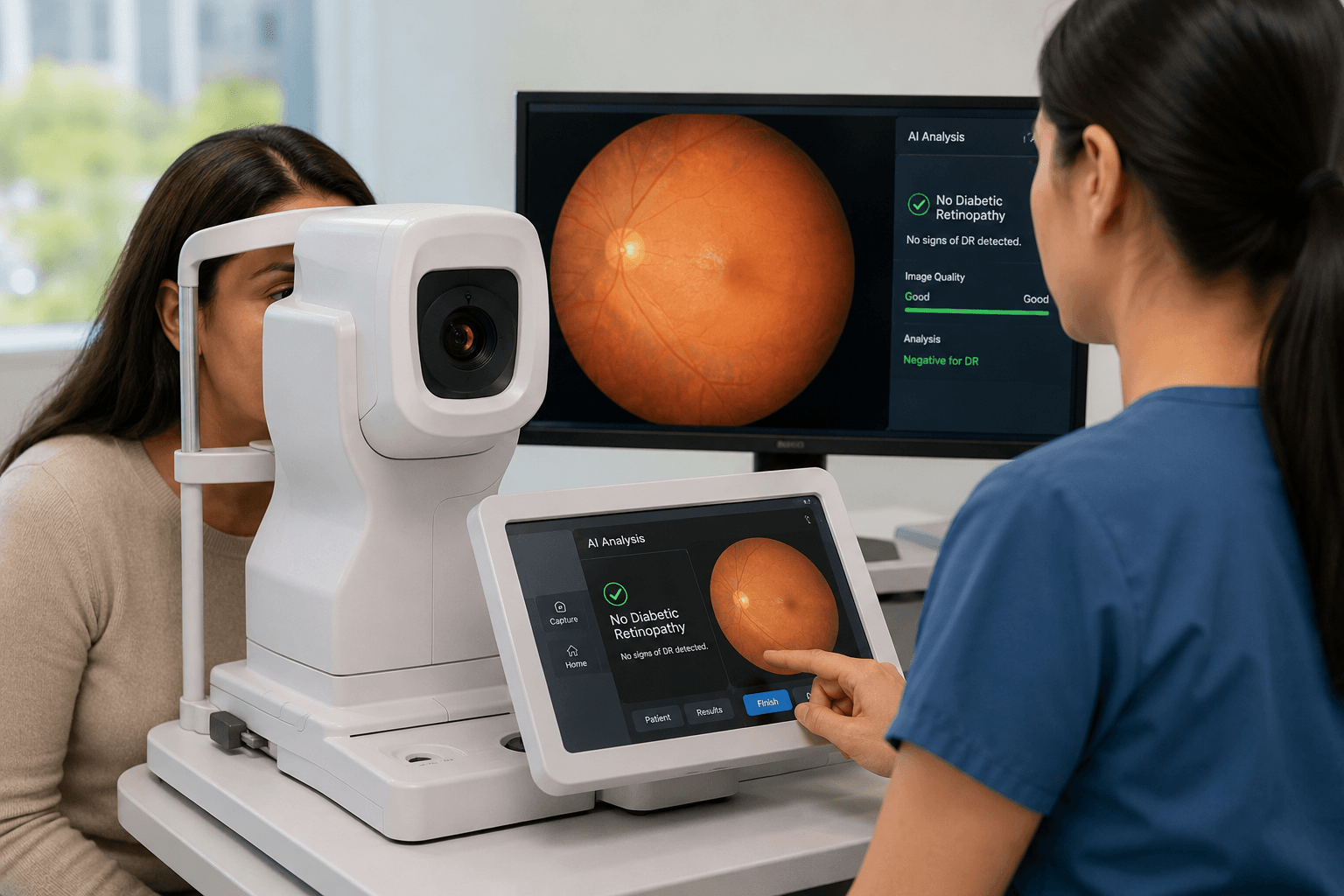
Diabetic retinopathy remains one of the leading causes of preventable blindness worldwide. Yet despite clear screening guidelines, many patients with diabetes still miss their annual retinal exams. Busy schedules, limited specialist access, transportation barriers, and lack of awareness often delay diagnosis until vision changes become permanent. As healthcare systems search …
Read More »
May 14, 2026
Articles, Blood Glucose Control, Blood Glucose Control, Clinical Gems, Diabetes, Prediabetes, Prevention, Type 2 Diabetes, Type 2 Diabetes
1,340 views
Diabetes screening has improved over the last two decades, yet many patients still fall through the cracks. While clinicians often rely on traditional risk models that focus on obesity, age, family history, and sedentary lifestyle, not every patient with diabetes fits that familiar picture. As a result, many diabetes cases …
Read More »
Apr 29, 2026
Articles, Diabetes, Pediatrics, Prevention, Type 1 Diabetes, Type 1 Diabetes
1,012 views
Can we actually prevent type 1 diabetes before symptoms appear? Increasingly, the answer is yes. As research evolves, clinicians now have stronger tools to identify at-risk children earlier and delay disease progression. This shift is especially important because type 1 diabetes often develops silently before diagnosis. Therefore, early screening and …
Read More »
Apr 24, 2026
Articles, Diabetes, Prevention, Therapies, Type 1 Diabetes, Type 1 Diabetes
2,193 views
Can a chronic condition like type 1 diabetes be slowed before it fully develops? Recent long-term studies suggest that preventing or delaying type 1 diabetes may be closer to reality than once believed. In fact, emerging immunotherapy data is changing how clinicians view early-stage disease and the opportunity to intervene …
Read More »
Mar 12, 2026
Articles, Cardiology, Nephrology, Prevention, Type 2 Diabetes, Type 2 Diabetes
2,565 views
The concept of CKM staging in primary care has gained attention as clinicians look for better ways to manage the growing overlap between cardiovascular disease, kidney disease, diabetes, and metabolic disorders. However, many providers still wonder how to translate the CKM framework into daily clinical practice. Think of CKM staging …
Read More »
Feb 20, 2026
Articles, Blood Glucose Control, Blood Glucose Control, Diabetes, Diet and Nutrition, Prevention
4,793 views
Diabetes management often begins with nutrition advice. However, what happens when patients cannot afford fresh produce or live miles from a grocery store? For many people living with diabetes, food insecurity is a growing yet underrecognized barrier to glycemic control. While clinicians routinely discuss carbohydrate counting and meal planning, they …
Read More »
Feb 19, 2026
Articles, Blood Glucose Control, Blood Glucose Control, Diabetes, Prevention
2,316 views
Hospital discharge should mark a fresh start. However, for many patients, the period after a diabetes hospital discharge becomes a danger zone. The days following a hospital discharge for diabetes are often marked by hypoglycemia, medication confusion, and missed follow-up visits. In fact, the first 30 days often determine whether …
Read More »
 Diabetes In Control. A free weekly diabetes newsletter for Medical Professionals. News and information for Medical Professionals.