Mar 2, 2026
Articles, Diabetes, Obesity, Safety, Type 2 Diabetes, Type 2 Diabetes
3,257 views
The expanding use of GLP-1 receptor agonists for type 2 diabetes and obesity has transformed metabolic care. However, growing awareness of the potential gallbladder risks associated with GLP-1 therapy has prompted clinicians to take a closer look at hepatobiliary safety. Rapid weight loss and altered bile composition during treatment may …
Read More »
Mar 2, 2026
Articles, Diabetes, Neuropathy & Pain, Type 2 Diabetes, Type 2 Diabetes
2,734 views
Cardiovascular outcomes often dominate discussions about GLP-1 receptor agonists, but what about nerve health? Growing interest in GLP-1 diabetic neuropathy reflects a broader shift toward understanding microvascular complications beyond heart disease. While medications such as semaglutide (Ozempic), dulaglutide (Trulicity), and liraglutide (Victoza) have proven cardiovascular benefits, their potential influence on …
Read More »
Feb 27, 2026
AI-news, Articles, Devices, Diabetes, Ophthalmology
2,996 views
In 2026, diabetic retinopathy screening is entering a new era driven by artificial intelligence, tele-retinal imaging, and smarter integration into primary care workflows. Despite improved glucose monitoring and widespread use of CGM systems, diabetic retinopathy remains a leading cause of preventable blindness in adults with diabetes. So how can clinicians …
Read More »
Feb 26, 2026
Articles, Blood Glucose Control, Blood Glucose Control, Diabetes, Insulin Therapy Center, Type 2 Diabetes, Type 2 Diabetes
1,781 views
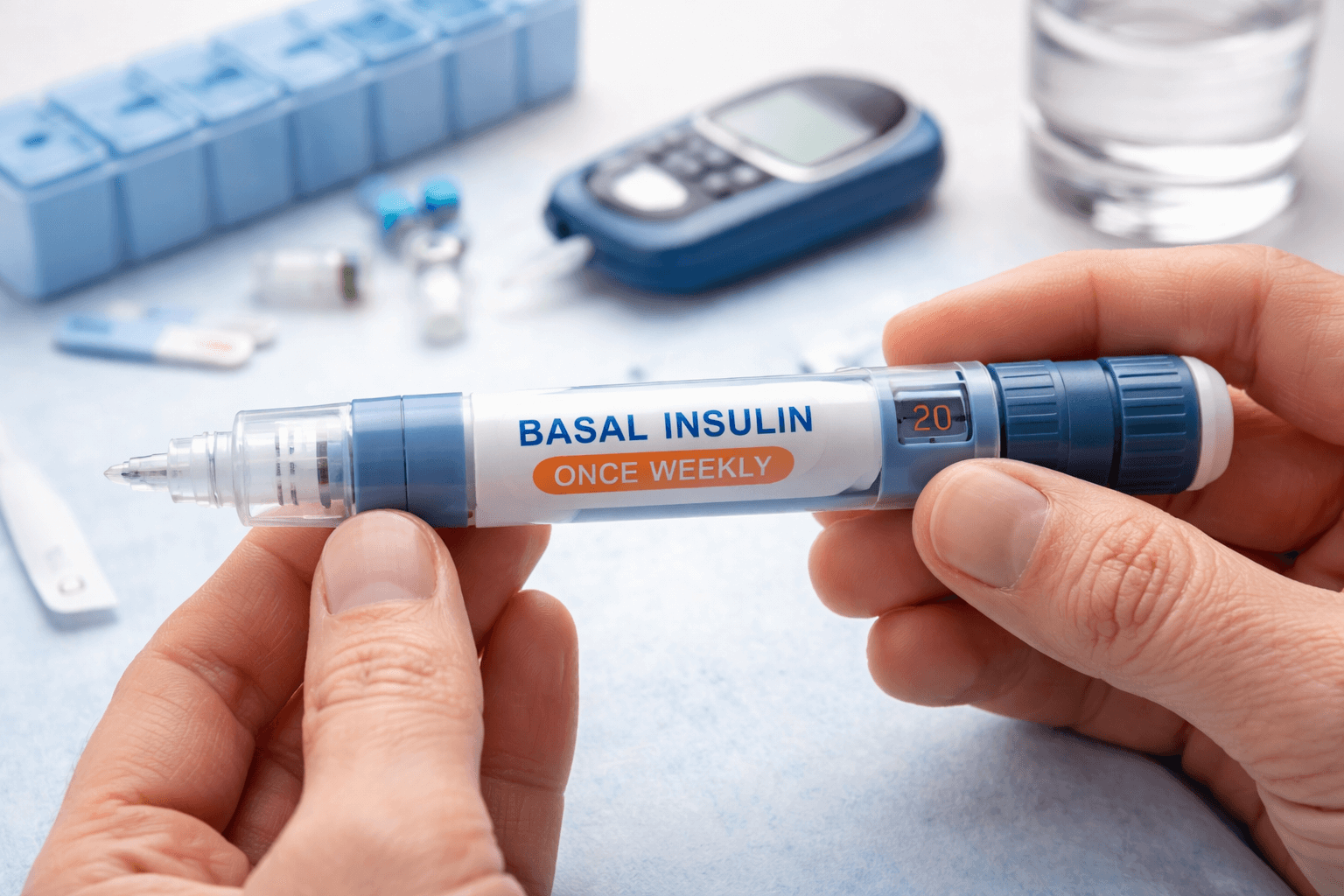
The arrival of a once-weekly basal insulin option marks one of the most meaningful advances in insulin therapy in decades. For years, daily basal injections have been the standard of care for people with type 1 and type 2 diabetes. However, many patients struggle with adherence, missed doses, and therapeutic …
Read More »
Feb 25, 2026
Articles, Cardiology, Diabetes, GLP- 1 Agonist Therapy Center, GLP-1 Agonist Therapy Center
8,850 views
Changes in resting heart rate with GLP-1 receptor agonists have become an important topic in diabetes and cardiometabolic care. As glucagon-like peptide-1 receptor agonists such as semaglutide, liraglutide, and dulaglutide gain widespread use, clinicians often notice a modest rise in resting heart rate. Should this increase raise concern, especially in …
Read More »
Feb 24, 2026
Articles, Diabetes, GLP- 1 Agonist Therapy Center, Obesity, Obesity, Type 2 Diabetes, Type 2 Diabetes
2,400 views
The conversation around GLP-1 therapies has shifted quickly. While most clinicians focus on weight loss and glucose lowering, new data on GLP-1 microbiome effects suggest something deeper may be happening in the gut. Could these medications reshape the intestinal ecosystem in ways that support long-term metabolic health? Increasingly, researchers believe …
Read More »
Feb 23, 2026
Articles, Diabetes, Oncology, Safety, Type 2 Diabetes, Type 2 Diabetes
4,230 views
Concerns about GLP-1 pancreatic cancer risk have circulated for more than a decade. When glucagon-like peptide-1 receptor agonists first entered the market, early post-marketing reports and small observational studies raised alarms about pancreatitis and possible malignancy. As a result, clinicians and patients questioned the long-term safety of agents such as …
Read More »
Feb 20, 2026
Articles, Blood Glucose Control, Blood Glucose Control, Diabetes, Diet and Nutrition, Prevention
4,715 views
Diabetes management often begins with nutrition advice. However, what happens when patients cannot afford fresh produce or live miles from a grocery store? For many people living with diabetes, food insecurity is a growing yet underrecognized barrier to glycemic control. While clinicians routinely discuss carbohydrate counting and meal planning, they …
Read More »
Feb 20, 2026
Articles, Blood Glucose Control, Blood Glucose Control, Devices, Diabetes, Type 1 Diabetes, Type 1 Diabetes, Type 2 Diabetes, Type 2 Diabetes
1,315 views
Continuous glucose monitoring was once reserved for endocrinology clinics. Today, integrating CGM into primary care is essential as guidelines recommend earlier and broader use in both type 1 and type 2 diabetes. Yet many clinicians still feel unsure about how to interpret reports or fit CGM into a busy visit. …
Read More »
Feb 19, 2026
Articles, Blood Glucose Control, Blood Glucose Control, Diabetes, Prevention
2,134 views
Hospital discharge should mark a fresh start. However, for many patients, the period after a diabetes hospital discharge becomes a danger zone. The days following a hospital discharge for diabetes are often marked by hypoglycemia, medication confusion, and missed follow-up visits. In fact, the first 30 days often determine whether …
Read More »
 Diabetes In Control. A free weekly diabetes newsletter for Medical Professionals. News and information for Medical Professionals.