Mar 23, 2014
Clinical Gems, Featured Writers, Physical Activity, Type 1 Diabetes
4,176 views
Sheri R. Colberg, PhD, and Michael C. Riddell, PhD Extreme Athletic Events Despite the challenges presented by participation in long-duration athletic events, many individuals with T1D are currently training for and participating in such events. Research in this area is lacking, but a handful of studies have attempted to investigate …
Read More »
Mar 9, 2014
Clinical Gems, Featured Writers, Physical Activity, Type 1 Diabetes
2,676 views
Sheri R. Colberg, PhD, and Michael C. Riddell, PhD EXERCISE WITH COMPLICATIONS OR OTHER HEALTH CONDITIONS: Relative and Absolute Contraindications The ADA and others have stressed the importance of appropriate screening procedures to clear patients for participation in exercise.157–164 For patients with T1D, all of the diabetes-associated complications (microvascular and …
Read More »
Mar 7, 2014
Featured Writers, Physical Activity
8,022 views
by Dr. Sheri Colberg, Ph.D., FACSM Most of the best physical activities don’t require a gym membership, and you certainly don’t have to be able to run a marathon to gain health benefits that will allow you to live a long and healthy life, with or without diabetes.
Read More »
Mar 7, 2014
Physical Activity, Products
1,855 views
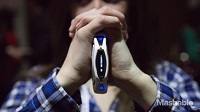
The TAO WellShell A Device That Brings Exercising to Planes and Couches. Now your patients can exercise anywhere. One of the hardest parts about exercising is the "getting-up factor" — going to the gym, moving from the couch. But a tiny new gadget makes it possible to work out anywhere …
Read More »
Feb 23, 2014
Clinical Gems, Devices, Featured Writers, Physical Activity, Type 1 Diabetes
6,494 views
Sheri R. Colberg, PhD, and Michael C. Riddell, PhD Hypoglycemia Associated with Physical Activity Hypoglycemia risk. Hypoglycemia is the most common negative side effect of exercise, ranging from mild to life threatening in severity. The incidence of hypoglycemia during or after a single bout of moderate-intensity exercise in children and …
Read More »
Feb 21, 2014
Articles, Physical Activity
1,868 views
CVD preventive treatment should also be started much earlier in patients with lower risk….
Read More »
Feb 19, 2014
Physical Activity, Videos
2,303 views
Dr. Colberg gives us some tips on how to validate whether patients are exercising and how much. She cautions against changes in body weight as evidence of exercise: muscle mass will actually weigh more. The “clothes test” is a better option as well as checking for other physical signs such …
Read More »
Feb 19, 2014
Physical Activity, Videos
2,565 views
Dr. Colberg talks about some of the smartphone apps she would recommend to patients to help them improve the fitness. Myfitnesspal allows patients to track diet and exercise and share their results with friends. But whether an app will work for an individual depends on each person. First, though, she …
Read More »
Feb 19, 2014
Physical Activity, Videos
2,770 views
Dr. Colberg talks about anaerobic exercise vs aerobic, and what the best ratio is. She says that there are a number of studies on this subject and that, in her new book, she updates some of the conventional wisdom on this topic. She says that resistance training very important in particular …
Read More »
Feb 19, 2014
Physical Activity, Videos
2,590 views
Dr. Colberg answers the important question of what to drink while exercising, noting that many sugar-sweetened beverages have much more calories than patients would ever need. For most activities, in fact, plain water is just fine. For type 1’s needing to avoid hypoglycemia, something with sugar might be appropriate but …
Read More »
 Diabetes In Control. A free weekly diabetes newsletter for Medical Professionals. News and information for Medical Professionals.