Aug 11, 2018
Exercise, Physical Activity
6,498 views
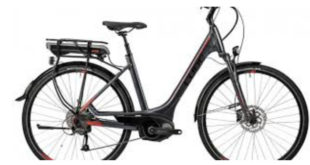
Recently I purchased a new eBike, and most people who I talk to have no idea what an eBike is. This new type of bike is going to be the next biggest craze. Using this eBike allows me to go faster and ride longer.
Read More »
Aug 4, 2018
Exercise, Featured Writers, Physical Activity
31,855 views
By Sheri R. Colberg, PhD, FACSMJ
It’s possible to gain weight from treating too many bouts of hypoglycemia. I addressed this topic over a decade ago, but it remains relevant and worth revisiting, along with addressing some new insights on weight gain in general with insulin use.
Read More »
Jul 7, 2018
Articles, Physical Activity
6,805 views
By Sheri R. Colberg, PhD, FACSM
A topic that comes up frequently nowadays is the use of diabetes technologies with exercise. When I surveyed close to 300 active individuals with diabetes, more than 60 percent used an insulin pump (which is well above the national average), but even more of these exercisers—over 75 percent—wear a continuous glucose monitoring (CGM) device (1). The technology fervor has grown even louder since the FDA recently granted approval in the United States to an implantable, three-month CGM sensor called Eversense (made by Senseonics). Can active people benefit from using these CGM and other devices, especially when active?
Read More »
Jun 23, 2018
Articles, Physical Activity, Type 1 Diabetes
4,404 views
Mini-dose glucagon might be a better option for treating exercise-induced hypoglycemia than carbohydrate ingestion or insulin dose reduction.
Read More »
Jun 2, 2018
Diet & Nutrition, Exercise, Physical Activity
14,158 views
by Sheri R. Colberg, PhD, FACSM
There has been a lot of interest recently in going “low-carb” to better manage diabetes, particularly type 1. At present, a large clinical study is being undertaken in Scandinavia to examine the effects of very low-carb eating on blood glucose levels in adults with type 1 diabetes. For years, a very low-carb diet championed by Dr. Bernstein has been the main one followed by some with diabetes, until the last decade when fad weight loss plans like the LCHF (low-carb, high-fat, or Keto) and Paleo Diets have been become mainstream not just for losing weight, but also for their purported ability to boost to athletic performance and improve blood glucose management. All these eating plans are very low in carbohydrates, but differ in the types of non-carb macronutrients or foods they recommend.
Read More »
May 26, 2018
Articles, Diet & Nutrition, Physical Activity, Type 2 Diabetes
5,957 views
Very small proportion of U.S. adults engage in risk reduction behaviors like proper diet and exercise for type 2 diabetes.
Read More »
May 5, 2018
Articles, Featured Writers, Physical Activity
7,762 views
By Sheri R. Colberg, PhD, FACSM
How active are you? Unless you’re exercising more than several hours a day already, you probably have room to add more in for additional health benefits. Exercise is about the best medicine that there is for so many health conditions, including diabetes. Being active helps manage emotional stress and stave off depression—far better than antidepressant medications and with no bad side effects. It naturally bestows your body with antioxidant effect, making you less likely to develop most types of cancer—or even the common cold.
Read More »
Apr 7, 2018
Articles, Exercise, Featured Writers, Physical Activity
5,331 views
By Sheri R. Colberg, PhD
You may have started the new year out with the best of intentions to increase your fitness and better manage your diabetes by exercising regularly. If you have diabetes or are at risk for developing the disease, deciding to commit to fitness could be a real lifesaver. That’s why it’s more important than ever that you make sure this decision sticks. Here are some motivational tips for getting started being more active.
Read More »
Mar 3, 2018
Articles, Featured Writers, Physical Activity
9,967 views
By Sheri R. Colberg, PhD
If you suffer from diabetes, you already know that staying fit greatly benefits your health. Yet, many of the complications caused by diabetes can make it difficult to get the exercise you need; in fact, they can make a normal exercise routine difficult or even dangerous. For example, peripheral neuropathy (numbness in the feet caused by nerve damage) may affect your balance and put you at risk for a fall, or could lead to slow-healing ulcers that keep you inactive. On top of that, diabetes patients may have heart disease symptoms or vision problems that make getting up and going for a walk more risky than helpful.
Read More »
Feb 3, 2018
Articles, Exercise, Physical Activity
3,477 views
Letting your patients know how long they may survive and how to extend their survival time can get your patients to increase their physical activity or get them to start.
Read More »
 Diabetes In Control. A free weekly diabetes newsletter for Medical Professionals. News and information for Medical Professionals.