Nov 3, 2018
Exercise, Featured Writers, Physical Activity
5,087 views
By Sheri R. Colberg, PhD, FACSM As discussed in an earlier column this year (June 2018), many insulin users have chosen to go “low-carb” to better manage diabetes, which may or may not impact how well they perform in athletic events. How do many athletes with diabetes who swear by …
Read More »
Oct 13, 2018
Articles, Physical Activity, Type 1 Diabetes
9,757 views
Exercise can lengthen remission after being diagnosed with type 1 diabetes.
Read More »
Oct 6, 2018
Featured Writers, Physical Activity
3,090 views
By Sheri R. Colberg, PhD, FACSM
It's known that lack of exercise, poor eating habits, genetics, and lifestyle factors can all contribute to the onset of prediabetes and type 2 diabetes. I have spent many years touting the benefits of lifestyle change to prevent and manage these health conditions—and in some cases reverse them. Exercise is a particularly important lifestyle management tool because of its ability to lower inflammation (the underlying cause of insulin resistance) naturally.
Read More »
Sep 15, 2018
Articles, Physical Activity, Prediabetes
3,759 views
Two weeks of inactivity found to cause impaired glycemic control; may progress patients to type 2 diabetes
Read More »
Sep 1, 2018
Articles, Featured Writers, Physical Activity
3,472 views
By Sheri R. Colberg, PhD, FACSM
If you’re like a lot of other people, you may get bored doing the same physical activities day after day. More than half of people who start exercise training programs drop out in the first six months. So, what you do to keep your workouts fresh sometimes matters more for getting the most out of training and staying with it. For these reasons (and more), you may want to consider doing cross-training.
Read More »
Aug 11, 2018
Exercise, Physical Activity
6,413 views
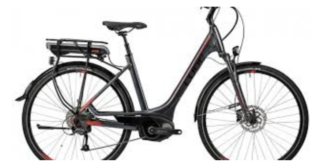
Recently I purchased a new eBike, and most people who I talk to have no idea what an eBike is. This new type of bike is going to be the next biggest craze. Using this eBike allows me to go faster and ride longer.
Read More »
Aug 4, 2018
Exercise, Featured Writers, Physical Activity
31,523 views
By Sheri R. Colberg, PhD, FACSMJ
It’s possible to gain weight from treating too many bouts of hypoglycemia. I addressed this topic over a decade ago, but it remains relevant and worth revisiting, along with addressing some new insights on weight gain in general with insulin use.
Read More »
Jul 7, 2018
Articles, Physical Activity
6,704 views
By Sheri R. Colberg, PhD, FACSM
A topic that comes up frequently nowadays is the use of diabetes technologies with exercise. When I surveyed close to 300 active individuals with diabetes, more than 60 percent used an insulin pump (which is well above the national average), but even more of these exercisers—over 75 percent—wear a continuous glucose monitoring (CGM) device (1). The technology fervor has grown even louder since the FDA recently granted approval in the United States to an implantable, three-month CGM sensor called Eversense (made by Senseonics). Can active people benefit from using these CGM and other devices, especially when active?
Read More »
Jun 23, 2018
Articles, Physical Activity, Type 1 Diabetes
4,261 views
Mini-dose glucagon might be a better option for treating exercise-induced hypoglycemia than carbohydrate ingestion or insulin dose reduction.
Read More »
Jun 2, 2018
Diet & Nutrition, Exercise, Physical Activity
13,962 views
by Sheri R. Colberg, PhD, FACSM
There has been a lot of interest recently in going “low-carb” to better manage diabetes, particularly type 1. At present, a large clinical study is being undertaken in Scandinavia to examine the effects of very low-carb eating on blood glucose levels in adults with type 1 diabetes. For years, a very low-carb diet championed by Dr. Bernstein has been the main one followed by some with diabetes, until the last decade when fad weight loss plans like the LCHF (low-carb, high-fat, or Keto) and Paleo Diets have been become mainstream not just for losing weight, but also for their purported ability to boost to athletic performance and improve blood glucose management. All these eating plans are very low in carbohydrates, but differ in the types of non-carb macronutrients or foods they recommend.
Read More »
 Diabetes In Control. A free weekly diabetes newsletter for Medical Professionals. News and information for Medical Professionals.