 Diabetes In Control. A free weekly diabetes newsletter for Medical Professionals. News and information for Medical Professionals.
New FDA nutrition facts label aims to make it easier for consumers to make informed choices about what they’re eating.
Read More »Why the New Food Label? What to Tell Your Patients
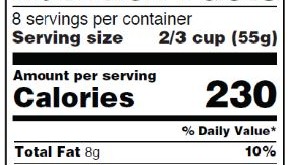
New FDA nutrition facts label aims to make it easier for consumers to make informed choices about what they’re eating.
Read More »
A recent study published in Obesity in May 2016 reported very discouraging findings for a group of participants who had lost weight on “The Biggest Loser” (TBL) reality TV show: not only did almost all of them regain a significant amount of weight over the 6-year period following the show, but they also had lower resting metabolic rates than expected for their body weights, even six years later. With the way the media ran with this story, it will not be a surprise if everyone just gives up staying thinner and blames excess weight on a faulty, and unchangeable, metabolism.
Read More »
Very low calorie diets and probiotics can not only help in improving blood glucose for those with diabetes, but also help to prevent the development of diabetes.
Read More »
In study, 40 percent of adults with type 2 diabetes achieved a fasting glucose level of less than 126mg/dL.(7mmol/L) after eight weeks on a very low-calorie diet.
Read More »
Male, 66 years of age, type 2 diabetes, class III obesity, peripheral neuropathy, multiple toe amputations, hypertension, hyperlipidemia and, most importantly, a 2-year-old granddaughter. Patient taking 100 units long-acting insulin, sulfonylurea, metformin, beta blocker, and statin. Checks glucose once in a while; in the 200 to 270 range when checks. A1C 9.3%.
Read More »
Woman, 42 years of age, class III obesity, type 2 diabetes diagnosed in the past year, binge eating disorder. Very motivated to change lifestyle when first diagnosed. She goes off and on her medication. When off, she binges. As an hcp, I wondered about the severe changes from totally "on" to totally "off." Yes, this patient is receiving counseling, CBT.
Read More »
Intermittent energy restriction and other approaches to timing and frequency of meals may affect well-being.
Read More »
Study finds high sodium intake common in both adults and children.
Read More »
Is there a difference when children consume carbs as part of a meal?
Read More »
Lifestyle change is the new trend for managing a patient’s diabetes, according to research.
Read More »