Jun 24, 2026
Articles, Blood Glucose Control, Blood Glucose Control, Devices, Diabetes, Prevention
7,655 views
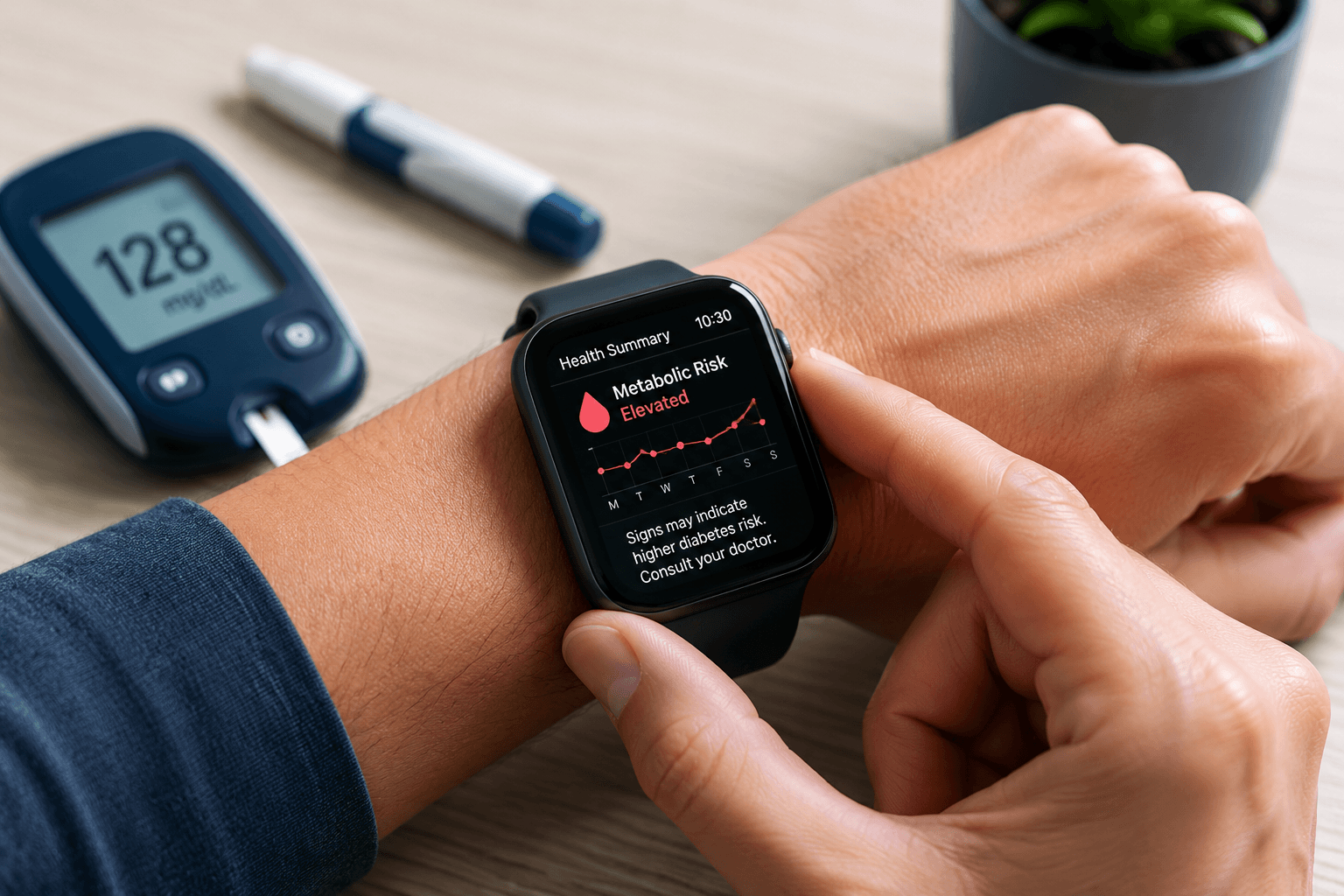
For decades, diagnosing diabetes has depended on blood tests performed during routine medical visits. However, what if your smartwatch could recognize early warning signs before glucose levels become high enough for a formal diagnosis? Researchers are now exploring wearable technologies for diabetes screening that continuously analyze physiologic data collected throughout …
Read More »
Jun 19, 2026
Articles, Blood Glucose Control, Blood Glucose Control, Devices, Diabetes, Type 1 Diabetes, Type 1 Diabetes, Type 2 Diabetes, Type 2 Diabetes
1,412 views
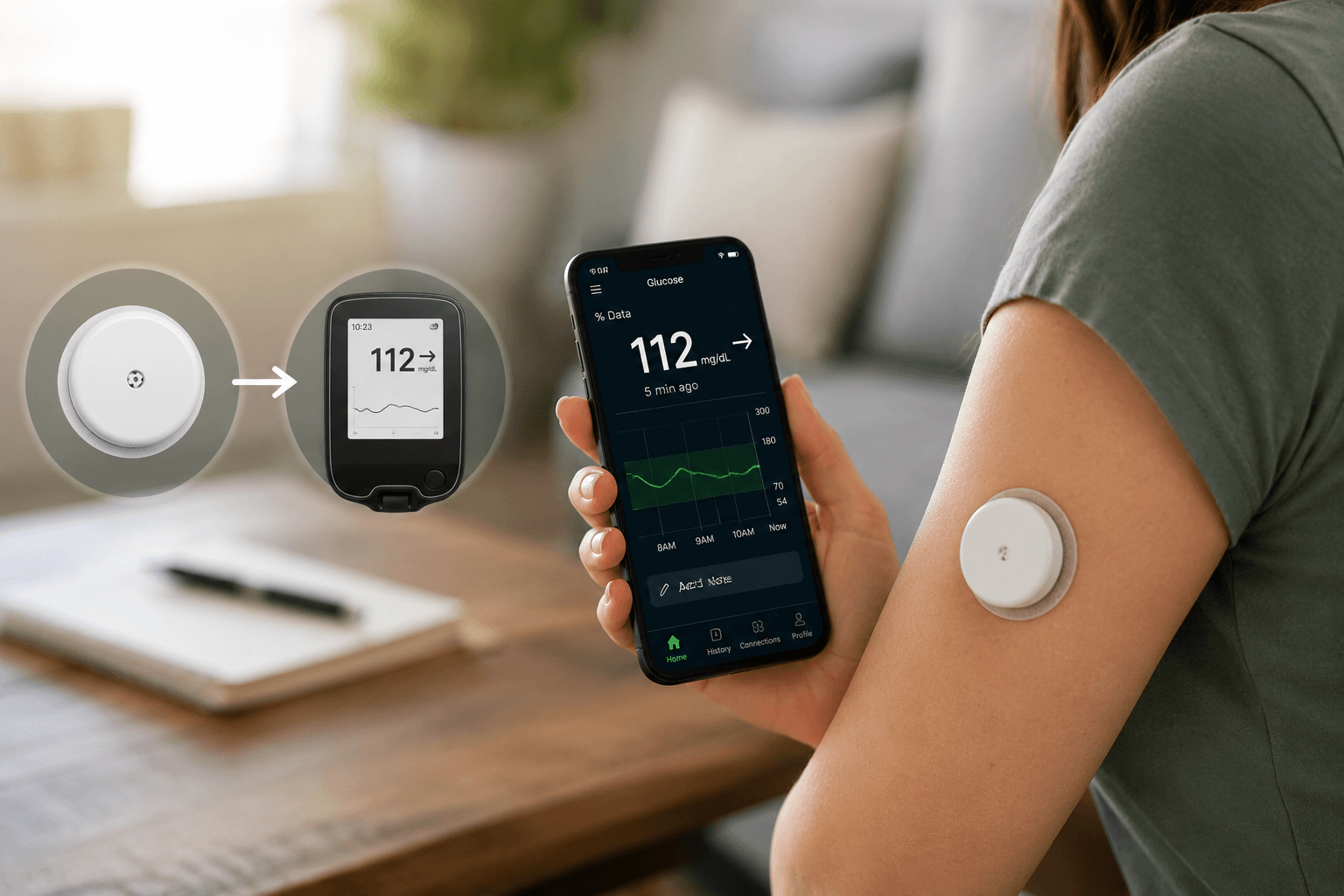
As diabetes technology continues to evolve, clinicians are increasingly faced with an important question: should patients still be using flash continuous glucose monitoring (CGM), or is it time to switch to real-time CGM? While flash CGM systems have significantly improved glucose monitoring and patient engagement over traditional fingerstick testing, real-time …
Read More »
Jun 12, 2026
Articles, Blood Glucose Control, Blood Glucose Control, Devices, Diabetes
4,382 views
Continuous glucose monitoring (CGM) has transformed diabetes management by giving patients real-time glucose data, trend arrows, and alerts that support better daily decisions. Yet some patients stop using their CGM within days of starting. Often, the problem is not the device itself. Instead, early frustration begins when patients leave the …
Read More »
May 29, 2026
Articles, Blood Glucose Control, Blood Glucose Control, Devices, Diabetes, Insulin Therapy Center, Type 1 Diabetes, Type 1 Diabetes
1,676 views
For years, diabetes care has relied on one key rule: insulin should be given before meals whenever possible. Yet many people living with diabetes still struggle with timing. Busy schedules, unpredictable eating habits, and delayed dosing often lead to postprandial glucose spikes. Now, with the rise of ultra-rapid insulin AID …
Read More »
May 25, 2026
Articles, Devices, Diabetes, Podiatry, Prevention, Type 2 Diabetes, Type 2 Diabetes, Wound Care
3,099 views
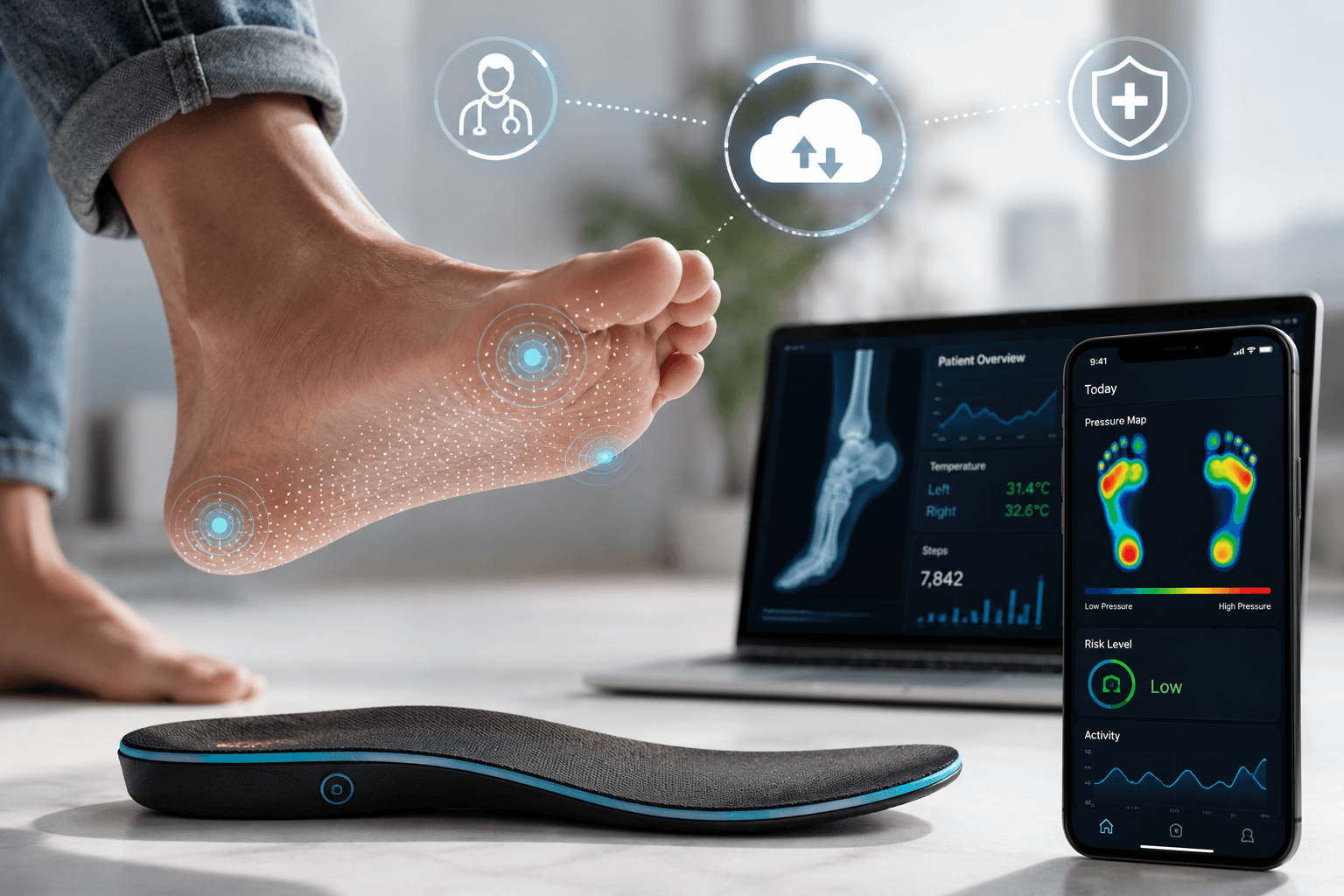
For many people living with diabetes, foot complications often begin quietly. A small pressure point, unnoticed inflammation, or minor skin breakdown can slowly develop into a serious ulcer. Unfortunately, traditional diabetic foot care has long been reactive. Clinicians typically intervene after visible wounds appear, when treatment becomes more difficult and …
Read More »
May 22, 2026
Articles, Blood Glucose Control, Blood Glucose Control, Devices, Diabetes, Gestational Diabetes, Type 1 Diabetes, Type 1 Diabetes, Women's Health
4,207 views
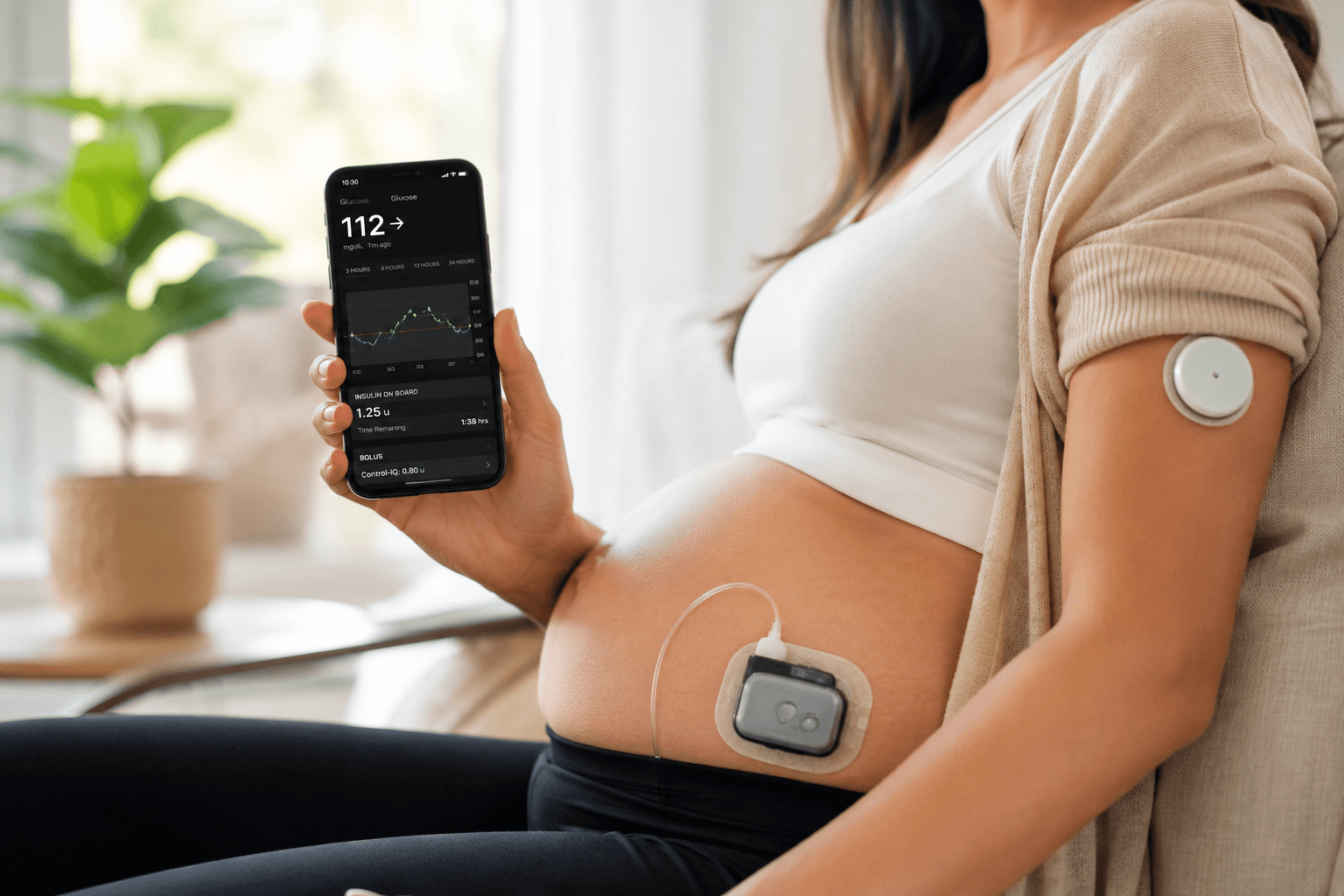
The management of type 1 diabetes during pregnancy is entering a major turning point. For years, endocrinologists and maternal-fetal medicine specialists have worked within narrow therapeutic margins to reduce maternal and neonatal complications. However, new advances in automated insulin delivery technology for pregnancy are beginning to reshape glucose management in …
Read More »
May 22, 2026
Articles, Blood Glucose Control, Blood Glucose Control, Devices, Diabetes, Diet and Nutrition, Type 2 Diabetes, Type 2 Diabetes
1,554 views
A bowl of oatmeal can keep one person’s glucose stable while sending another person’s blood sugar sharply upward. The meal is identical, yet the metabolic response is completely different. That reality is pushing many clinicians to reconsider one of the most established principles in diabetes nutrition: carb counting. The growing …
Read More »
May 21, 2026
Articles, Blood Glucose Control, Blood Glucose Control, Devices, Diabetes, Insulin Therapy Center, Therapies, Type 2 Diabetes, Type 2 Diabetes
2,375 views
Automated insulin delivery for people with type 2 diabetes is entering a new phase. What once seemed reserved for highly specialized endocrinology clinics is now moving steadily into primary care offices across the country. Following the updated 2026 American Diabetes Association Standards of Care and recent FDA clearances, more adults …
Read More »
May 21, 2026
Articles, Blood Glucose Control, Blood Glucose Control, Devices, Diabetes, Mental Health, Type 1 Diabetes, Type 1 Diabetes, Type 2 Diabetes, Type 2 Diabetes
4,199 views
A glucose alarm goes off during dinner. Another alert appears at 2 a.m. A smartphone app flashes warnings about rising blood sugar before the day even starts. Diabetes technology promises better control, yet for some patients, the nonstop stream of notifications and health data can feel mentally exhausting. Clinicians are …
Read More »
May 20, 2026
Articles, Blood Glucose Control, Blood Glucose Control, Devices, Diabetes, Prediabetes, Prediabetics, Prevention
1,989 views
Prediabetes has traditionally been diagnosed during annual physical exams through fasting glucose tests or A1C measurements. However, new diabetes prevention tools and wearable technologies are rapidly changing that model. Today, wearable devices, continuous glucose monitors (CGMs), and predictive metabolic tracking tools are giving people real-time insight into their glucose patterns …
Read More »
 Diabetes In Control. A free weekly diabetes newsletter for Medical Professionals. News and information for Medical Professionals.