Nov 23, 2014
Clinical Gems, Devices
10,261 views
Rudy Bilous, MD, FRCP Richard Donnelly, MD, PHD, FRCP, FRACP Atherosclerosis For any given age, level of cholesterol or BP, the risk of atherosclerotic cardiovascular disease (CVD) is 3 to 5-fold higher among patients with diabetes compared with subjects without diabetes. Macrovascular complications include fatal and non-fatal coronary heart disease (CHD) events, …
Read More »
Nov 16, 2014
Clinical Gems, Devices
16,656 views
Rudy Bilous, MD, FRCP Richard Donnelly, MD, PHD, FRCP, FRACP Diabetes and hypertension have been termed the ‘bad companions’ for cardiovascular disease risk. Diabetes alone increases this risk 2 – 4-fold; in the presence of hypertension, the risk for coronary heart disease is further trebled and for stroke, doubled. There is also …
Read More »
Nov 14, 2014
Devices, Products
2,875 views
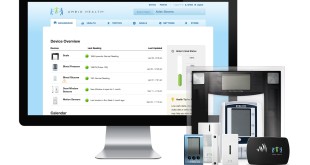
Ambio Remote Health Monitoring System The Ambio Remote Health Monitoring System, which has FDA 510(k) clearance, wirelessly sends readings from devices such as a weight scale and blood pressure and blood glucose meters to the web-based Ambio Care Portal where the readings can be viewed by patients and their authorized …
Read More »
Nov 9, 2014
Clinical Gems, Devices
5,346 views
Rudy Bilous, MD, FRCP Richard Donnelly, MD, PHD, FRCP, FRACP Dyslipidemia in type 2 diabetes Abnormalities of blood lipids are common in patients with type 2 diabetes, even when there is reasonable glycemic control. The characteristic dyslipidemia of type 2 diabetes consists of elevated very low-density lipoprotein (VLDL) triglyceride (TG) levels, reduced …
Read More »
Nov 2, 2014
Clinical Gems, Devices, Neuropathy & Pain
26,765 views
Rudy Bilous, MD, FRCP Richard Donnelly, MD, PHD, FRCP, FRACP Symptoms, signs and classification Diabetes is one of the most common causes of peripheral neuropathy, a term that encompasses a heterogeneous group of disorders (Figure 17.1). In population-based surveys, up to one-third of patients with diabetes have evidence of peripheral neuropathy but …
Read More »
Oct 27, 2014
Clinical Gems, Devices, MODY/LADA, Transplants
16,255 views
Rudy Bilous, MD, FRCP Richard Donnelly, MD, PHD, FRCP, FRACP Diabetic nephropathy is a clinical diagnosis based upon the detection of proteinuria in a patient with diabetes in the absence of another obvious cause such as infection. Many of these patients will also be hypertensive, have retinopathy and, in advanced stages, renal …
Read More »
Oct 19, 2014
Clinical Gems, Devices, Ophthalmology, Surgery
34,151 views
Rudy Bilous, MD, FRCP Richard Donnelly, MD, PHD, FRCP, FRACP Diabetic eye disease primarily affects the retinal vasculature, but the iris and lens can also be involved. Most people with diabetes will show signs of retinopathy after 25 years duration, but only a minority progress to the severest form. Photocoagulation has revolutionized …
Read More »
Oct 13, 2014
Clinical Gems, Devices
16,397 views
Rudy Bilous, MD, FRCP Richard Donnelly, MD, PHD, FRCP, FRACP Much of the impact of chronic diabetes results from the development of tissue complications, mainly microvascular (retinopathy, nephropathy and neuropathy) and macrovascular disease (atherosclerosis). Microangiopathy is characterized by progressive occlusion of the capillary lumen with subsequent impaired tissue perfusion, increased vascular …
Read More »
Oct 5, 2014
Clinical Gems, Devices, DPP-4 Therapy Center
22,415 views
Rudy Bilous, MD, FRCP Richard Donnelly, MD, PHD, FRCP, FRACP Etiology and clinical presentation Hypoglycemia is a common side effect of treatment with insulin and oral antidiabetic drugs, especially sulphonylureas, and is a major factor preventing patients with type 1 and 2 diabetes from achieving near normoglycemia. The brain is dependent …
Read More »
Sep 27, 2014
Clinical Gems, Devices
16,180 views
Rudy Bilous, MD, FRCP Richard Donnelly, MD, PHD, FRCP, FRACP Diabetic ketoacidosis (DKA) is a state of severe uncontrolled diabetes caused by insulin deficiency. It is characterised by hyperglycaemia, hyperketonaemia and metabolic acidosis, and has been somewhat arbitrarily divided into mild, moderate and severe based upon biochemical and clinical features (Table 12.1)….
Read More »
 Diabetes In Control. A free weekly diabetes newsletter for Medical Professionals. News and information for Medical Professionals.