Feb 22, 2015
Clinical Gems, Devices, Insulin Therapy Center, Transplants, Type 1 Diabetes
7,831 views
David Levy, MD, FRCP Introduction Insulin treatment in type 1 diabetes is substitution/replacement hormone treatment, but replacement is much more variable and difficult to achieve than in other hormone deficiencies (e.g. thyroid, adrenal, gonadal hormones) because of the minute-by-minute variation in insulin secretion by the intact pancreas, which cannot yet be …
Read More »
Feb 16, 2015
Clinical Gems, Devices, Surgery
4,142 views
David Levy, MD, FRCP Patients in the Intensive Care Unit Hyperglycemia, whether associated with known diabetes or not, carries a poor prognosis in critically ill patients through multiple mechanisms, including vascular disease, polyneuropathy, an increased tendency to infection, dyslipidemia, and abnormal anti-inflammatory and coagulation responses. Consistent near-normoglycemia has therefore been a …
Read More »
Feb 13, 2015
Devices, Products
2,734 views
Dexcom is creating an app for the soon-to-be-released Apple Watch to receive and display data from its glucose monitors using their Share technology. The smartwatch, which is due out in April, will display readings as an easy-to-read graph. Dexcom has already created apps for iOS devices including the Follow …
Read More »
Jan 29, 2015
Devices, Products
4,022 views
The FDA has approved Dexcom’s G4 PLATINUM Continuous Glucose Monitoring System with Share. The Dexcom Share receiver uses a secure wireless connection via Bluetooth Low Energy (BLE) between a patient’s receiver and an app on the patient’s smartphone to transmit glucose information to apps on the mobile devices of …
Read More »
Jan 26, 2015
Clinical Gems, Devices, DPP-4 Therapy Center
3,685 views
Rudy Bilous, MD, FRCP Richard Donnelly, MD, PHD, FRCP, FRACP There is a steep age-related increase in the prevalence of diabetes and impaired glucose tolerance which applies equally to both sexes. Overall, diabetes prevalence is higher in men, but there are more women with diabetes. In developing countries, most people with diabetes …
Read More »
Jan 23, 2015
Articles, Blood Glucose Control, Devices
6,499 views
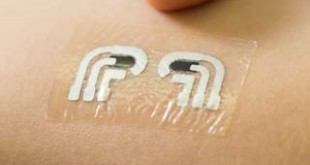
An ultra-thin, flexible sensor that sticks to the skin like a temporary tattoo can detect a person’s blood glucose levels… “The sensor represents the first example of an easy-to-wear flexible tattoo-based epidermal diagnostic device combining reverse iontophoretic extraction of interstitial glucose and an enzyme-based amperometric biosensor,” the researchers wrote. In …
Read More »
Jan 23, 2015
Articles, Devices
6,824 views
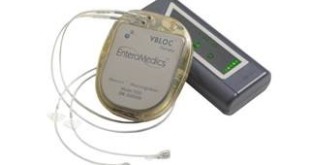
The FDA has approved the Maestro Rechargeable System for treatment of obesity… The Maestro Rechargeable System is indicated for treatment of patients aged at least 18 years with a BMI of 35 to 45 with at least one obesity-related condition and who have failed to lose weight on a weight …
Read More »
Jan 19, 2015
Clinical Gems, Devices, MODY/LADA, Pediatrics
13,161 views
Rudy Bilous, MD, FRCP Richard Donnelly, MD, PHD, FRCP, FRACP The vast majority of cases of diabetes in children are type 1, caused by autoimmune destruction of beta cells in the pancreatic islets. A steady increase in the incidence of type 1 diabetes has been reported worldwide (average increase 2.5-3% per year …
Read More »
Jan 12, 2015
Clinical Gems, Devices
22,359 views
Rudy Bilous, MD, FRCP Richard Donnelly, MD, PHD, FRCP, FRACP Pregestational diabetes is the most common medical problem that complicates pregnancy, affecting 1 in 264 births (0.38%) in the UK in 2002–3, with over 25% occurring in women with type 2 diabetes. The Kaiser Permanente database recorded an average rate of 1.3% …
Read More »
Jan 5, 2015
Clinical Gems, Devices, Physical Activity, Surgery
12,881 views
Rudy Bilous, MD, FRCP Richard Donnelly, MD, PHD, FRCP, FRACP Exercise Regular physical exercise is an important component of the management and prevention of type 2 diabetes (Figure 26.1). Aerobic exercise, in particular, and resistance exercise improve insulin sensitivity and glycemic control. Blood glucose and lipid profiles improve, as well as insulin …
Read More »
 Diabetes In Control. A free weekly diabetes newsletter for Medical Professionals. News and information for Medical Professionals.