Oct 15, 2019
Blood Glucose Control, Diet & Nutrition, Disasters Averted, Nephrology
3,665 views
Last week I saw a patient who seemed to be losing control of her blood glucose levels. She had been doing well and her A1c had been around 6.0 - 6.3 for the past couple of years. She was doing this while only on metformin 1000 twice a day. She was referred to me by her physician because of high after-meal readings ranging up to 350 mg/dl. I went over her medical history and medications looking for a possible problem and found nothing.
Read More »
Oct 15, 2019
Blood Glucose Control, Devices, Type 1 Diabetes
5,693 views
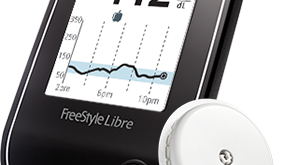
Can the Freestyle Libre Flash glucose monitoring system perform accurately when challenged?
Read More »
Oct 5, 2019
Blood Glucose Control, Exercise, Featured Writers, Physical Activity
12,028 views
By Sheri Colberg, PhD
For all the time that I spend praising the “miracle” of being physically active to help better manage diabetes and health, there are times when exercising does lead to better managed blood glucose and times when it does not. It is not always possible to predict the glycemic outcomes in all cases either, although individual patterns and responses can be determined over time. It is helpful to know the main factors that are predictive of outcomes.
Read More »
Oct 5, 2019
Blood Glucose Control, Metformin Therapy Center
2,553 views
Study finds U.S. patients of Asian ancestry are experiencing delays in treatment augmentation when they haven’t met the recommended hemoglobin A1c goals.
Read More »
Oct 1, 2019
Blood Glucose Control, Type 1 Diabetes
2,340 views
Having diabetes increases patients’ risk for fracture six-fold in T1DM and three-fold in T2DM.
Read More »
Sep 3, 2019
Blood Glucose Control, Disasters Averted, Insulin Therapy Center
4,644 views
I visited a housebound patient who had uncontrolled blood glucose, in spite of her physician having increased her insulin dose over a period of two weeks to twice her previous dose. The physician requested that I ask in depth about any factors that might be causing her to need so much more insulin.
Read More »
Aug 20, 2019
Blood Glucose Control, Cardiology
6,363 views
Hyperglycemia is associated with worse outcomes during a stroke, but aggressive glucose management does not improve stroke outcomes.
Read More »
Aug 3, 2019
Blood Glucose Control, Cardiology, Type 2 Diabetes
3,040 views
Intensive glycemic control shows benefits with time; however, evidence is showing this effect may wear off.
Read More »
Aug 3, 2019
Blood Glucose Control, Type 1 Diabetes
4,263 views
Recent study results suggest that insulin pumps and continuous blood glucose monitors should be used over traditional monitoring in adolescents and young adults with type 1 diabetes for greater short-term outcomes.
Read More »
Jul 30, 2019
Articles, Blood Glucose Control
6,289 views
A recent cross-sectional, cohort study found that too little or too much sleep is associated with higher HbA1c.
Read More »
 Diabetes In Control. A free weekly diabetes newsletter for Medical Professionals. News and information for Medical Professionals.