Jan 9, 2026
Articles, Blood Glucose Control, Blood Glucose Control, Diabetes, Type 1 Diabetes, Type 1 Diabetes
2,160 views
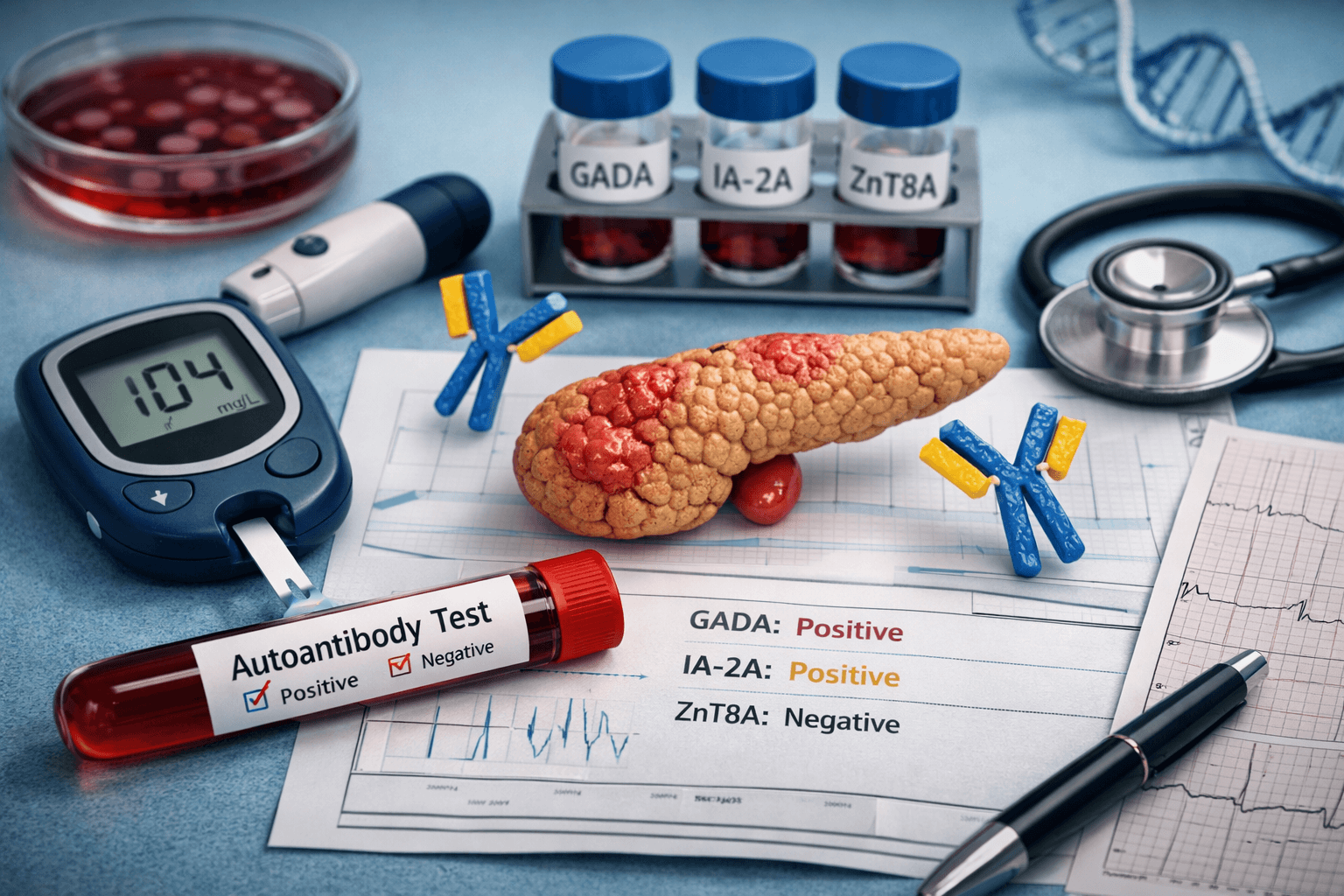
Type 1 diabetes doesn’t have to be a surprise. Thanks to type 1 diabetes autoantibody screening, clinicians can now identify individuals at high risk before symptoms even appear. This early detection opens doors for proactive monitoring, patient education, and potentially delaying or preventing full-blown disease. But who should be screened? …
Read More »
Dec 25, 2025
Articles, Blood Glucose Control, Blood Glucose Control, Diabetes, Prevention, Type 1 Diabetes, Type 1 Diabetes, Type 2 Diabetes, Type 2 Diabetes
3,463 views
Diabetic ketoacidosis (DKA) and hyperosmolar hyperglycemic state (HHS) are still two of the most dangerous acute complications facing people with diabetes. However, a large portion of these cases can be prevented outside of the hospital. In 2025, the American Diabetes Association (ADA) released expanded guidance focused on DKA outpatient prevention, …
Read More »
Dec 25, 2025
Articles, Devices, Diabetes, Safety, Type 1 Diabetes, Type 1 Diabetes, Type 2 Diabetes, Type 2 Diabetes
1,377 views
As diabetes technology evolves at lightning speed, clinics are under increasing pressure to evaluate a growing range of tools—from continuous glucose monitors (CGMs) and insulin pumps to smartphone apps and cloud platforms. But how can healthcare providers make safe, informed decisions about which tools to recommend? A clear, structured diabetes …
Read More »
Dec 25, 2025
Articles, Blood Glucose Control, Blood Glucose Control, Devices, Diabetes, Type 1 Diabetes, Type 1 Diabetes, Type 2 Diabetes, Type 2 Diabetes
3,211 views
Diabetes technology safety has become a critical focus as continuous glucose monitors (CGMs), insulin pumps, and automated insulin delivery systems transform diabetes care. These tools improve glycemic outcomes, enhance quality of life, and support proactive management. However, with increased device complexity comes a unique set of risks clinicians must recognize …
Read More »
Dec 19, 2025
Diabetes, Mental Health, Type 1 Diabetes, Type 1 Diabetes, Type 2 Diabetes, Type 2 Diabetes
2,197 views
Diabetes distress and burnout are common but often overlooked challenges affecting people with diabetes. These emotional burdens can negatively influence self‑management, medication adherence, and glycemic control. In routine clinical visits, especially those limited to 15 minutes, clinicians may struggle to address emotional and psychological concerns alongside medical management. However, integrating …
Read More »
Dec 11, 2025
Articles, Devices, Diabetes, Patient Resources, Practice Management, Type 1 Diabetes, Type 1 Diabetes, Type 2 Diabetes, Type 2 Diabetes
1,806 views
In the era of smartphones, continuous glucose monitoring (CGM), remote portals, and health apps, digital tools offer powerful ways to support people living with diabetes. However, too much technology can overwhelm patients, leading to digital health fatigue in diabetes—a state where users disengage from tools that were meant to help …
Read More »
Dec 4, 2025
Articles, Blood Glucose Control, Blood Glucose Control, Devices, Diabetes, Type 1 Diabetes, Type 1 Diabetes, Type 2 Diabetes, Type 2 Diabetes
2,398 views
For decades, clinicians have relied on A1C as the primary benchmark for diabetes control. Yet many patients and providers now wonder: does a single quarterly number truly reflect daily glucose fluctuations and risks? As continuous glucose monitoring (CGM) becomes more accessible, the metric known as Time in Range (TIR) has …
Read More »
Nov 8, 2024
Articles, Type 1 Diabetes, Type 1 Diabetes
4,020 views
Explore groundbreaking advances in Type 1 Diabetes research, from artificial pancreas systems to stem cell and immunotherapy innovations.
Read More »
Oct 30, 2024
Articles, Type 1 Diabetes, Type 1 Diabetes
4,228 views
Explore essential strategies for managing Type 1 Diabetes, focusing on personalized care, education, and collaborative approaches for healthcare professionals.
Read More »
Oct 7, 2024
Type 1 Diabetes, Type 1 Diabetes
7,230 views
Discover essential tips for managing Type 1 Diabetes daily challenges, focusing on nutrition, exercise, and mental health for a healthier lifestyle.
Read More »
 Diabetes In Control. A free weekly diabetes newsletter for Medical Professionals. News and information for Medical Professionals.