Mar 13, 2026
Articles, Blood Glucose Control, Blood Glucose Control, Diabetes, Type 1 Diabetes, Type 1 Diabetes
2,786 views
Continuous ketone monitoring for diabetes is emerging as one of the most intriguing developments in metabolic care. For decades, clinicians relied on periodic blood or urine tests to detect rising ketones. However, those methods often identify problems only after metabolic imbalance has already progressed. In contrast, newer sensor systems promise …
Read More »
Feb 20, 2026
Articles, Blood Glucose Control, Blood Glucose Control, Devices, Diabetes, Type 1 Diabetes, Type 1 Diabetes, Type 2 Diabetes, Type 2 Diabetes
1,407 views
Continuous glucose monitoring was once reserved for endocrinology clinics. Today, integrating CGM into primary care is essential as guidelines recommend earlier and broader use in both type 1 and type 2 diabetes. Yet many clinicians still feel unsure about how to interpret reports or fit CGM into a busy visit. …
Read More »
Jan 29, 2026
Diabetes, Featured, Obesity, Obesity, Therapies, Type 1 Diabetes, Type 1 Diabetes
4,680 views
Imagine managing type 1 diabetes and still gaining weight despite careful insulin use, exercise, and carb counting. That’s the frustrating reality for many people living with T1D and obesity. While insulin is life-saving, it can also promote weight gain, making the balance between glucose control and healthy weight even harder. …
Read More »
Jan 29, 2026
AI-news, Articles, Blood Glucose Control, Blood Glucose Control, Devices, Diabetes, Featured, Type 1 Diabetes, Type 1 Diabetes, Type 2 Diabetes, Type 2 Diabetes
2,068 views
Artificial intelligence (AI) is transforming many aspects of diabetes care, and smart insulin management powered by AI is quickly becoming one of its most promising innovations. Tools that read continuous glucose monitor (CGM) data and suggest insulin changes are rapidly entering clinical use. But while these tools are powerful, they …
Read More »
Jan 20, 2026
Articles, Blood Glucose Control, Blood Glucose Control, Devices, Diabetes, Type 1 Diabetes, Type 1 Diabetes
6,051 views
Diabetic ketoacidosis (DKA) continues to be one of the most dangerous acute complications faced by people with diabetes, particularly those on insulin or SGLT2 inhibitors. While traditional approaches rely on intermittent blood ketone checks, a new frontier is emerging—continuous ketone monitoring for DKA prevention. This article explores how this technology …
Read More »
Jan 16, 2026
AI-news, Articles, Blood Glucose Control, Devices, Diabetes, Top Articles, Type 1 Diabetes, Type 1 Diabetes, Type 2 Diabetes, Type 2 Diabetes
4,403 views
AI decision support in diabetes care is reshaping how clinicians manage continuous glucose monitoring (CGM) and insulin dosing. These tools deliver quick data-driven recommendations, raising key questions: How do we preserve clinical judgment? Where does AI end and provider expertise begin? This article explains how to safely evaluate and use …
Read More »
Jan 9, 2026
Articles, Blood Glucose Control, Blood Glucose Control, Diabetes, Type 1 Diabetes, Type 1 Diabetes
1,876 views
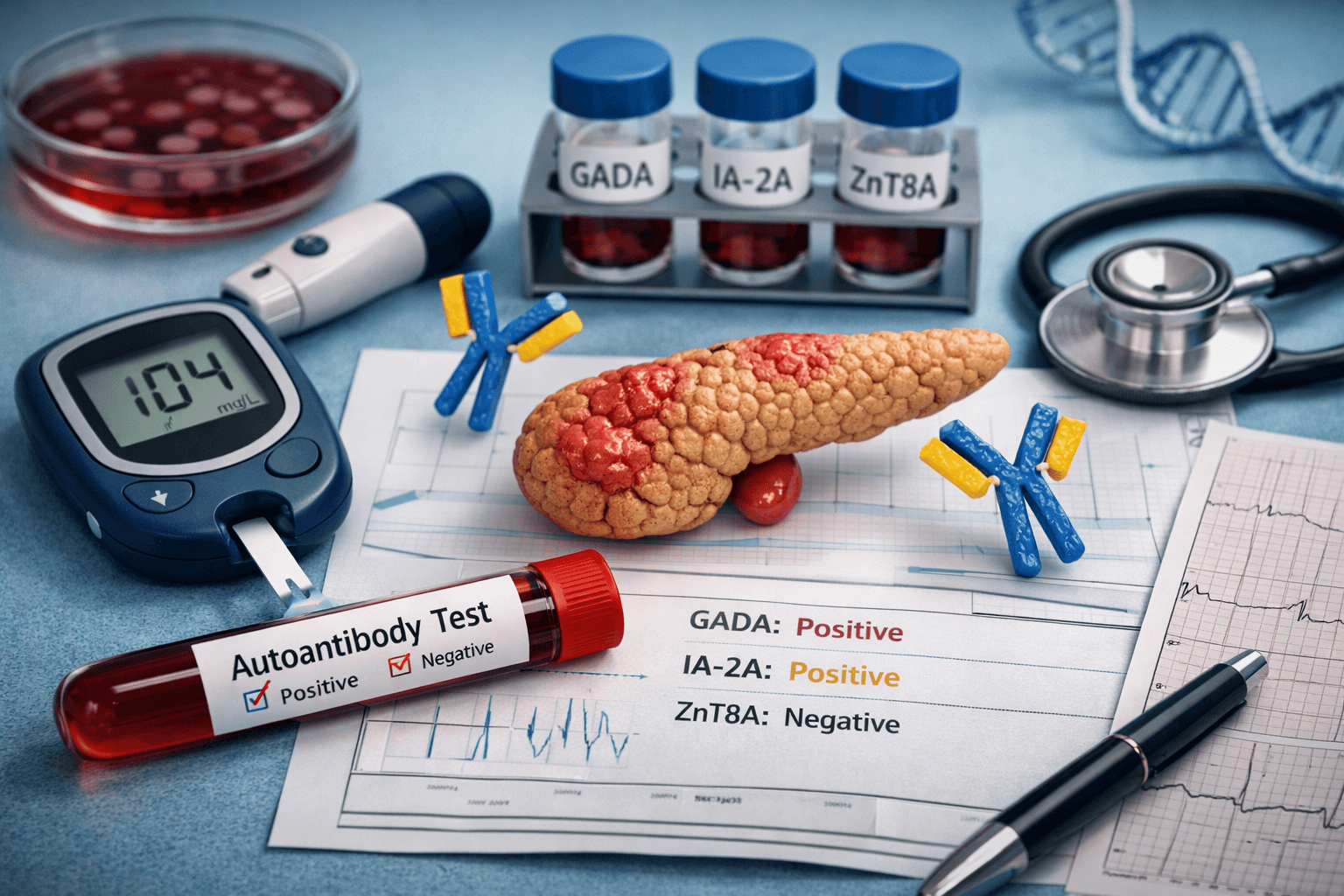
Type 1 diabetes doesn’t have to be a surprise. Thanks to type 1 diabetes autoantibody screening, clinicians can now identify individuals at high risk before symptoms even appear. This early detection opens doors for proactive monitoring, patient education, and potentially delaying or preventing full-blown disease. But who should be screened? …
Read More »
Dec 25, 2025
Articles, Blood Glucose Control, Blood Glucose Control, Diabetes, Prevention, Type 1 Diabetes, Type 1 Diabetes, Type 2 Diabetes, Type 2 Diabetes
2,924 views
Diabetic ketoacidosis (DKA) and hyperosmolar hyperglycemic state (HHS) are still two of the most dangerous acute complications facing people with diabetes. However, a large portion of these cases can be prevented outside of the hospital. In 2025, the American Diabetes Association (ADA) released expanded guidance focused on DKA outpatient prevention, …
Read More »
Dec 25, 2025
Articles, Devices, Diabetes, Safety, Type 1 Diabetes, Type 1 Diabetes, Type 2 Diabetes, Type 2 Diabetes
1,234 views
As diabetes technology evolves at lightning speed, clinics are under increasing pressure to evaluate a growing range of tools—from continuous glucose monitors (CGMs) and insulin pumps to smartphone apps and cloud platforms. But how can healthcare providers make safe, informed decisions about which tools to recommend? A clear, structured diabetes …
Read More »
Dec 25, 2025
Articles, Blood Glucose Control, Blood Glucose Control, Devices, Diabetes, Type 1 Diabetes, Type 1 Diabetes, Type 2 Diabetes, Type 2 Diabetes
2,646 views
Diabetes technology safety has become a critical focus as continuous glucose monitors (CGMs), insulin pumps, and automated insulin delivery systems transform diabetes care. These tools improve glycemic outcomes, enhance quality of life, and support proactive management. However, with increased device complexity comes a unique set of risks clinicians must recognize …
Read More »
 Diabetes In Control. A free weekly diabetes newsletter for Medical Professionals. News and information for Medical Professionals.