Jul 20, 2026
Articles, Therapies, Type 1 Diabetes, Type 1 Diabetes
2,108 views
For more than a century, insulin therapy has remained the cornerstone of treatment for type 1 diabetes. While continuous glucose monitors, insulin pumps, and automated insulin delivery systems have dramatically improved diabetes management, they still do not replace the body’s natural ability to regulate blood sugar. As a result, researchers …
Read More »
Jul 17, 2026
Articles, Blood Glucose Control, Blood Glucose Control, Diabetes, News, Therapies, Type 1 Diabetes, Type 1 Diabetes, Type 2 Diabetes, Type 2 Diabetes
3,627 views
Finding the right diabetes medication often involves trial and error. One patient may respond well to a GLP-1 receptor agonist, while another sees little benefit from the same treatment. As a result, clinicians frequently adjust medications before finding the most effective option. What if doctors could test a patient’s response …
Read More »
Jul 9, 2026
Articles, Blood Glucose Control, Blood Glucose Control, Diabetes, Type 1 Diabetes, Type 1 Diabetes, Type 2 Diabetes, Type 2 Diabetes
2,071 views
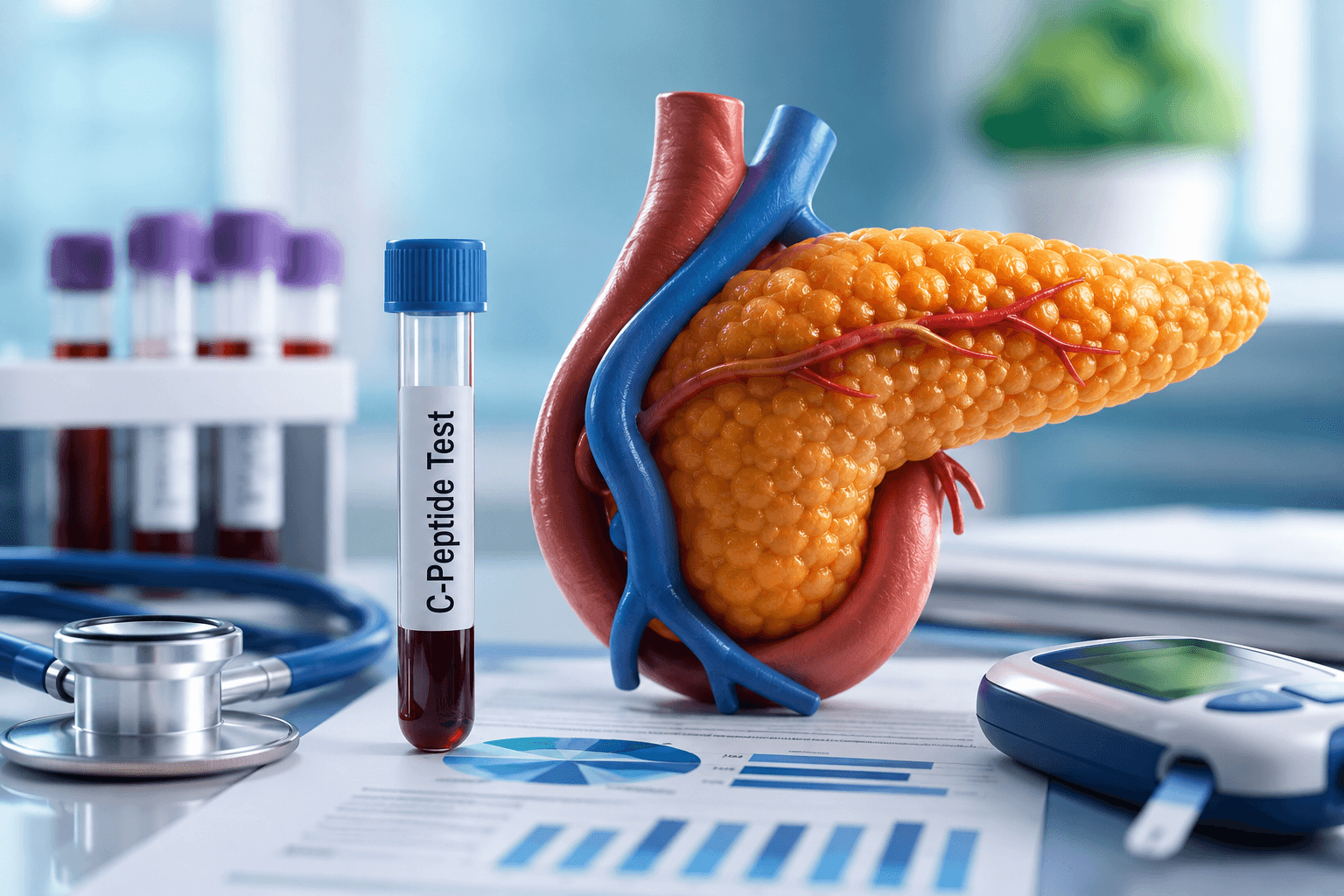
For many years, C-peptide testing was viewed as a simple tool to distinguish type 1 diabetes from type 2 diabetes. However, the story has changed. As researchers gain a better understanding of pancreatic beta-cell function, C-peptide testing in diabetes has become much more valuable than a diagnostic aid alone. Today, …
Read More »
Jul 7, 2026
Articles, Clinical Gems, Diabetes, Type 1 Diabetes, Type 1 Diabetes, Type 2 Diabetes, Type 2 Diabetes
2,266 views
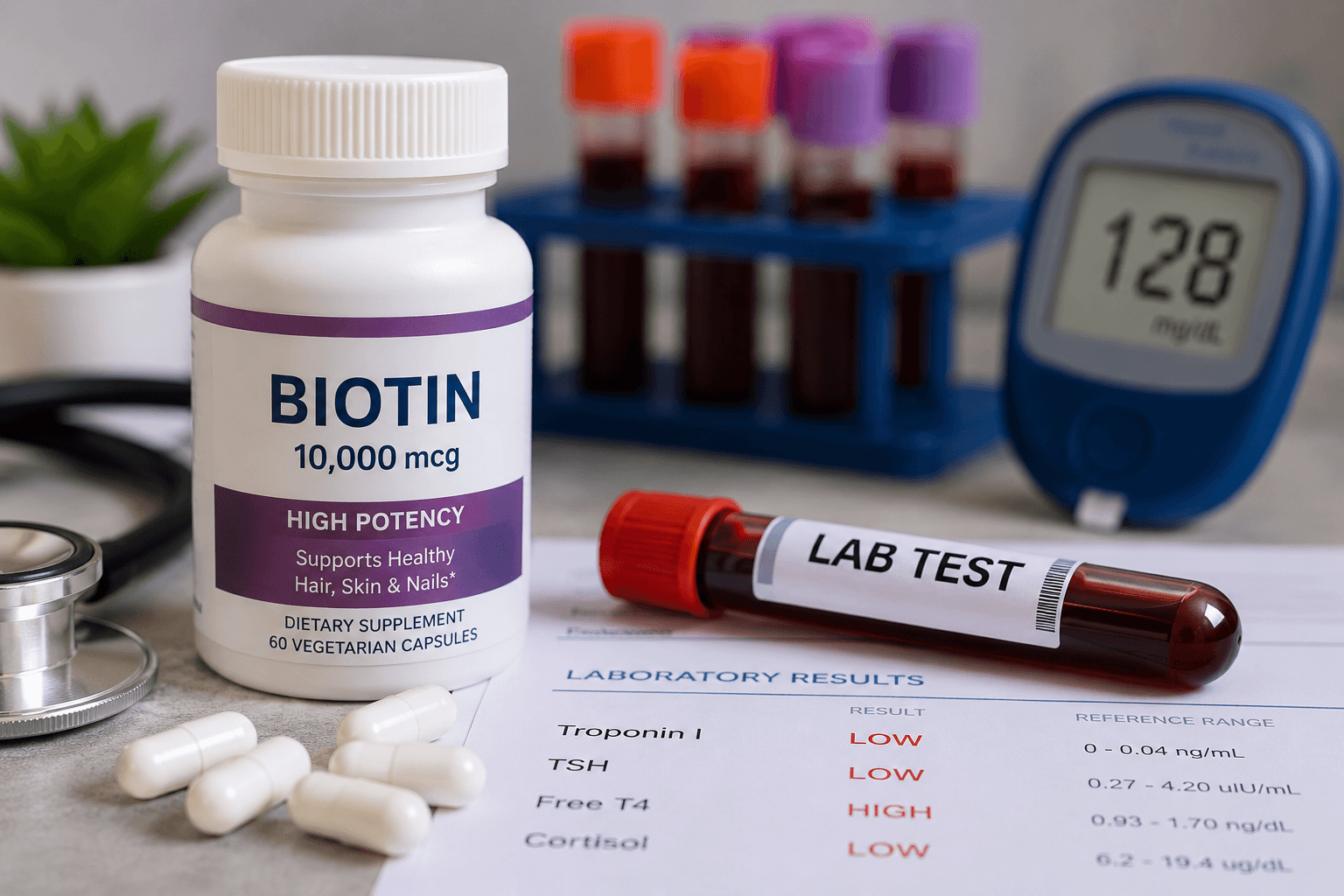
Biotin supplements have become increasingly popular among people living with diabetes. Many individuals take them to support healthy hair and nails, while others use high-dose formulations in hopes of easing neuropathy symptoms. An often-overlooked concern is biotin interference with laboratory tests used in diabetes care. Although biotin itself does not …
Read More »
Jul 2, 2026
Articles, Blood Glucose Control, Blood Glucose Control, Diabetes, Insulin Therapy Center, Therapies, Type 1 Diabetes, Type 1 Diabetes, Type 2 Diabetes, Type 2 Diabetes
2,794 views
For more than a century, insulin has saved millions of lives. Yet despite remarkable advances in diabetes technology, one major challenge remains: preventing hypoglycemia while maintaining excellent glucose control. That is why researchers are developing glucose-responsive insulin, often called “smart” insulin. Instead of delivering a fixed amount of insulin regardless …
Read More »
Jun 29, 2026
Articles, Pediatrics, Prevention, Type 1 Diabetes, Type 1 Diabetes
2,034 views
Population-based screening for type 1 diabetes is entering a new era. While autoantibody testing remains the gold standard for identifying individuals at high risk, researchers are increasingly investigating whether type 1 diabetes genetic screening could identify susceptible people even earlier. Advances in genomic science now make it possible to estimate …
Read More »
Jun 26, 2026
Articles, Therapies, Transplants, Type 1 Diabetes, Type 1 Diabetes
8,805 views
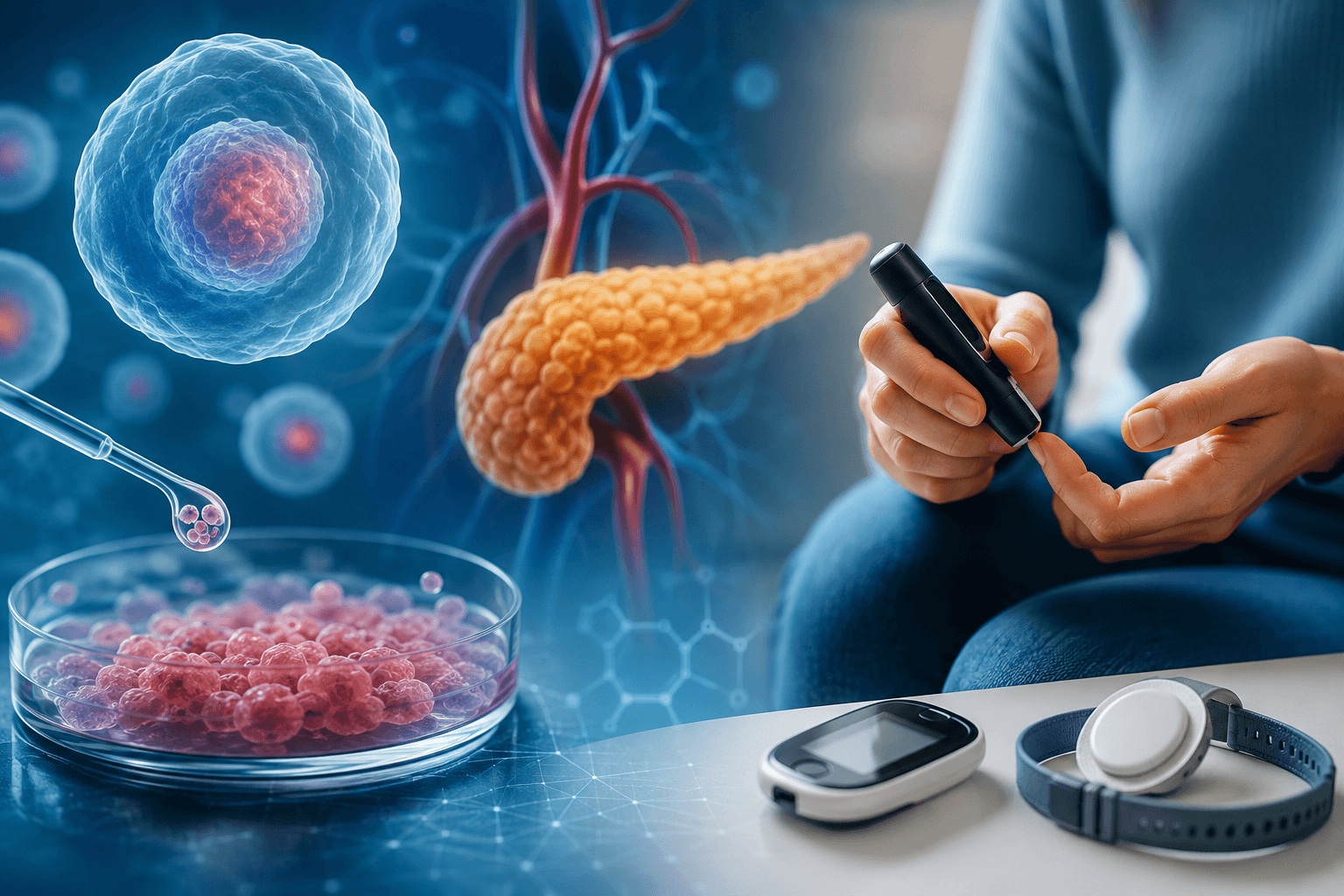
For more than a century, insulin has been the foundation of type 1 diabetes care. However, even the best insulin pumps, continuous glucose monitors, and automated insulin delivery systems still cannot fully replace the body’s lost beta cells. That is why interest in stem cell islet transplant diabetes research continues …
Read More »
Jun 22, 2026
Articles, Therapies, Type 1 Diabetes, Type 1 Diabetes
4,610 views
For decades, treatment after a type 1 diabetes diagnosis focused almost entirely on insulin replacement and blood glucose management. While advances in technology have improved care, clinicians have had few ways to address the autoimmune process driving beta-cell loss. That is beginning to change. With the FDA’s expansion of teplizumab-mzwv …
Read More »
Jun 19, 2026
Articles, Blood Glucose Control, Blood Glucose Control, Devices, Diabetes, Type 1 Diabetes, Type 1 Diabetes, Type 2 Diabetes, Type 2 Diabetes
1,121 views
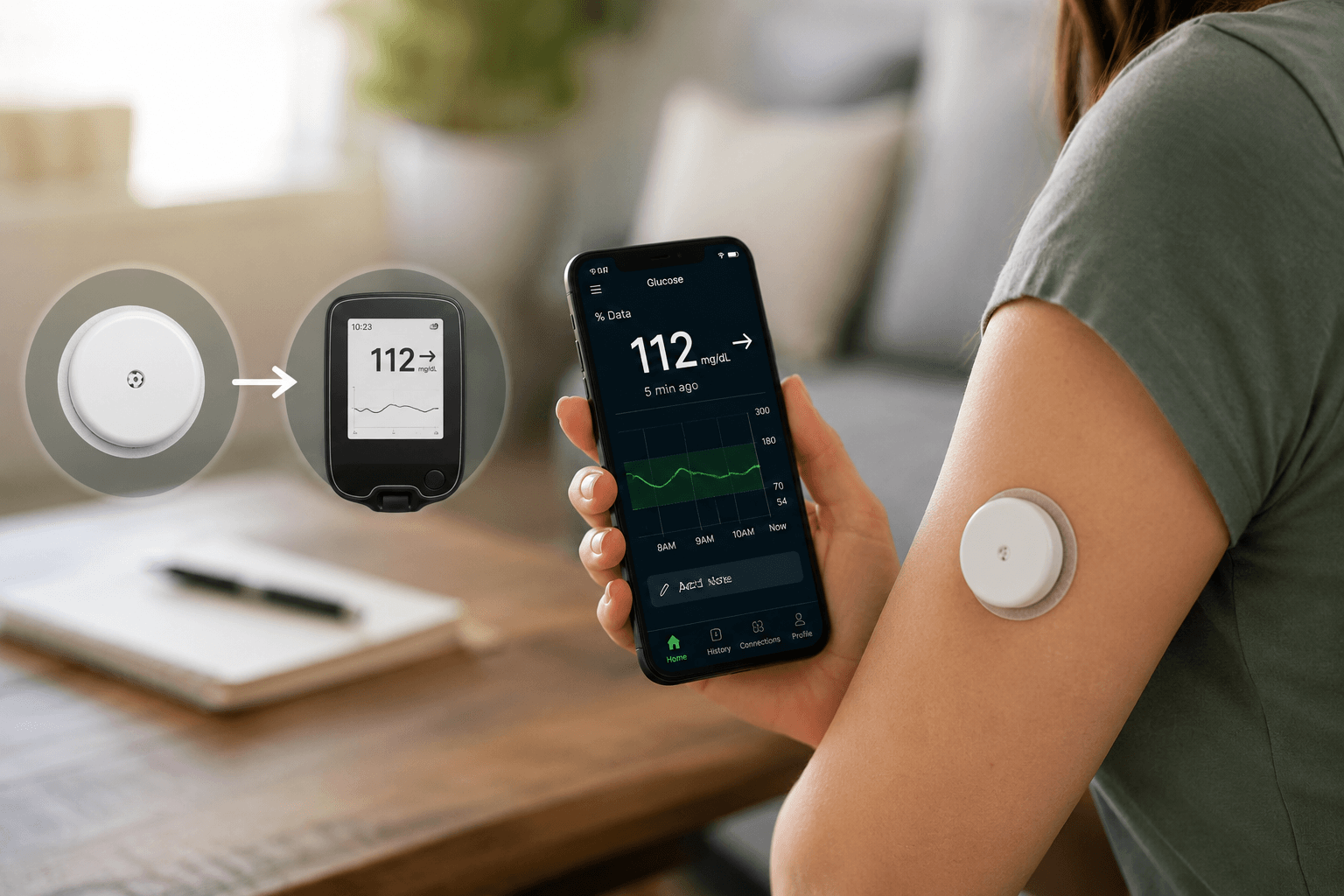
As diabetes technology continues to evolve, clinicians are increasingly faced with an important question: should patients still be using flash continuous glucose monitoring (CGM), or is it time to switch to real-time CGM? While flash CGM systems have significantly improved glucose monitoring and patient engagement over traditional fingerstick testing, real-time …
Read More »
Jun 18, 2026
Articles, Diabetes, Pediatrics, Prevention, Type 1 Diabetes, Type 1 Diabetes
2,378 views
As population-based screening for type 1 diabetes (T1D) becomes more common, clinicians increasingly encounter positive islet autoantibody results in children and adults who have no symptoms. However, not all positive screening results carry the same clinical significance. A single positive autoantibody may indicate elevated risk, yet the specific antibody detected …
Read More »
 Diabetes In Control. A free weekly diabetes newsletter for Medical Professionals. News and information for Medical Professionals.