Jul 1, 2026
Articles, Blood Glucose Control, Blood Glucose Control, Devices, Diabetes, Exercise, Physical Activity
2,477 views
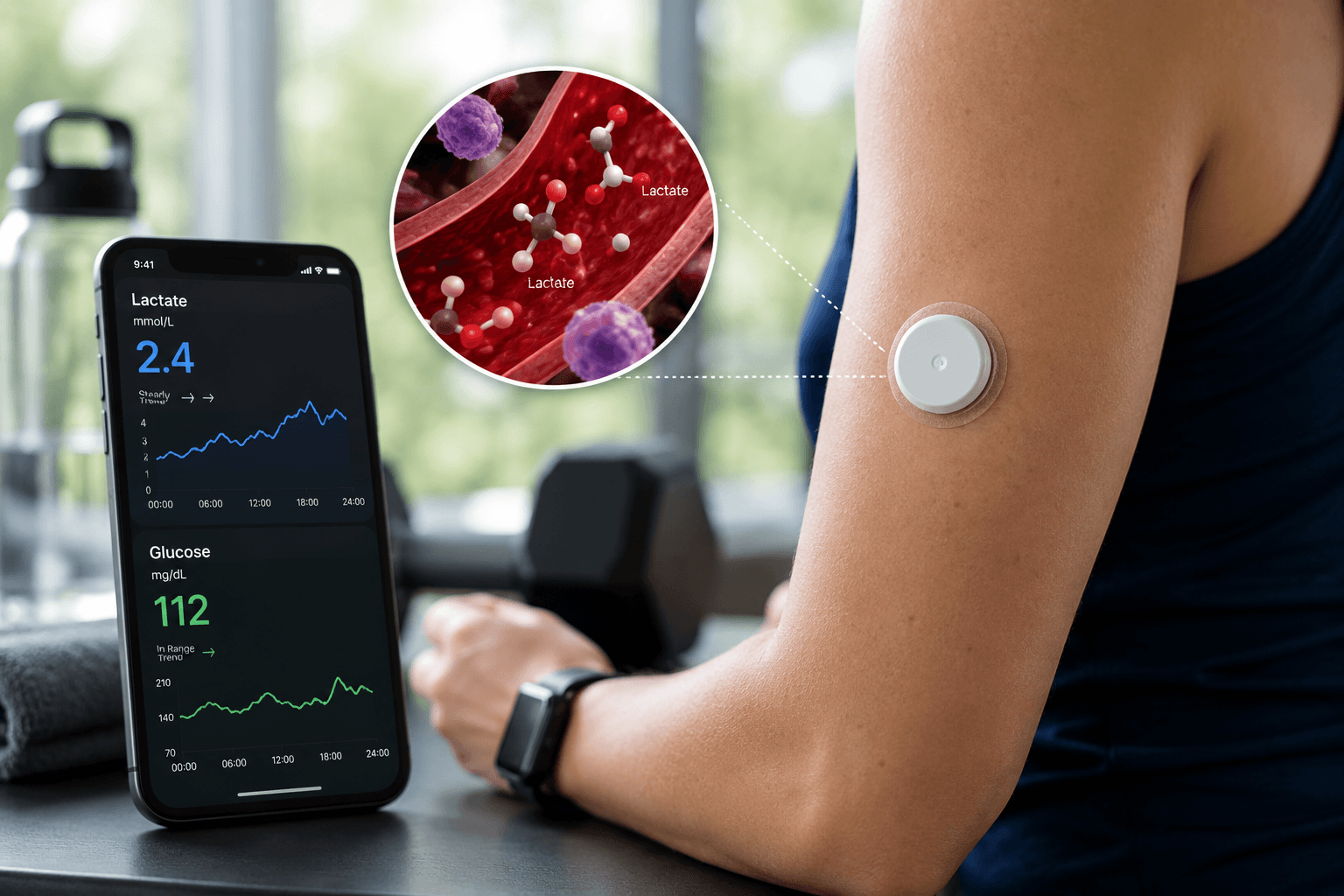
Continuous glucose monitoring (CGM) has fundamentally changed diabetes management by giving patients and clinicians access to real-time glucose data. As a result, treatment decisions have become more precise, and many people with diabetes now spend more time within their target glucose range. However, glucose represents only one part of the …
Read More »
Jul 1, 2026
Articles, Blood Glucose Control, Blood Glucose Control, Diabetes, Diet and Nutrition, Type 2 Diabetes, Type 2 Diabetes
1,309 views
For decades, diabetes management has focused on what patients eat and how much they consume. However, emerging research suggests another factor deserves attention: when they eat. The growing field of chrono-nutrition research in diabetes explores how meal timing interacts with the body’s internal clock to influence glucose metabolism, insulin sensitivity, …
Read More »
Jun 30, 2026
Articles, Blood Glucose Control, Blood Glucose Control, Diabetes, Diet & Nutrition, Exercise, Physical Activity, Prevention, Type 2 Diabetes, Type 2 Diabetes
1,315 views
For decades, A1C has served as the gold standard for assessing long-term glucose control in people with diabetes. However, it tells only part of the story. Researchers are now exploring whether metabolic flexibility could become an important biomarker in diabetes, offering a deeper understanding of metabolic health than A1C alone. …
Read More »
Jun 29, 2026
Articles, Blood Glucose Control, Blood Glucose Control, Cardiology, Diabetes, Diet and Nutrition, Prevention
4,551 views
For years, artificial sweeteners have been promoted as an important strategy for reducing sugar intake in people with diabetes. They help lower carbohydrate intake, reduce post-meal glucose spikes, and support weight management without adding calories. However, recent research has challenged the long-held assumption that all non-nutritive sweeteners are metabolically neutral. …
Read More »
Jun 25, 2026
Articles, Blood Glucose Control, Blood Glucose Control, Diabetes, Gastroenterology, Prevention, Type 2 Diabetes, Type 2 Diabetes
1,628 views
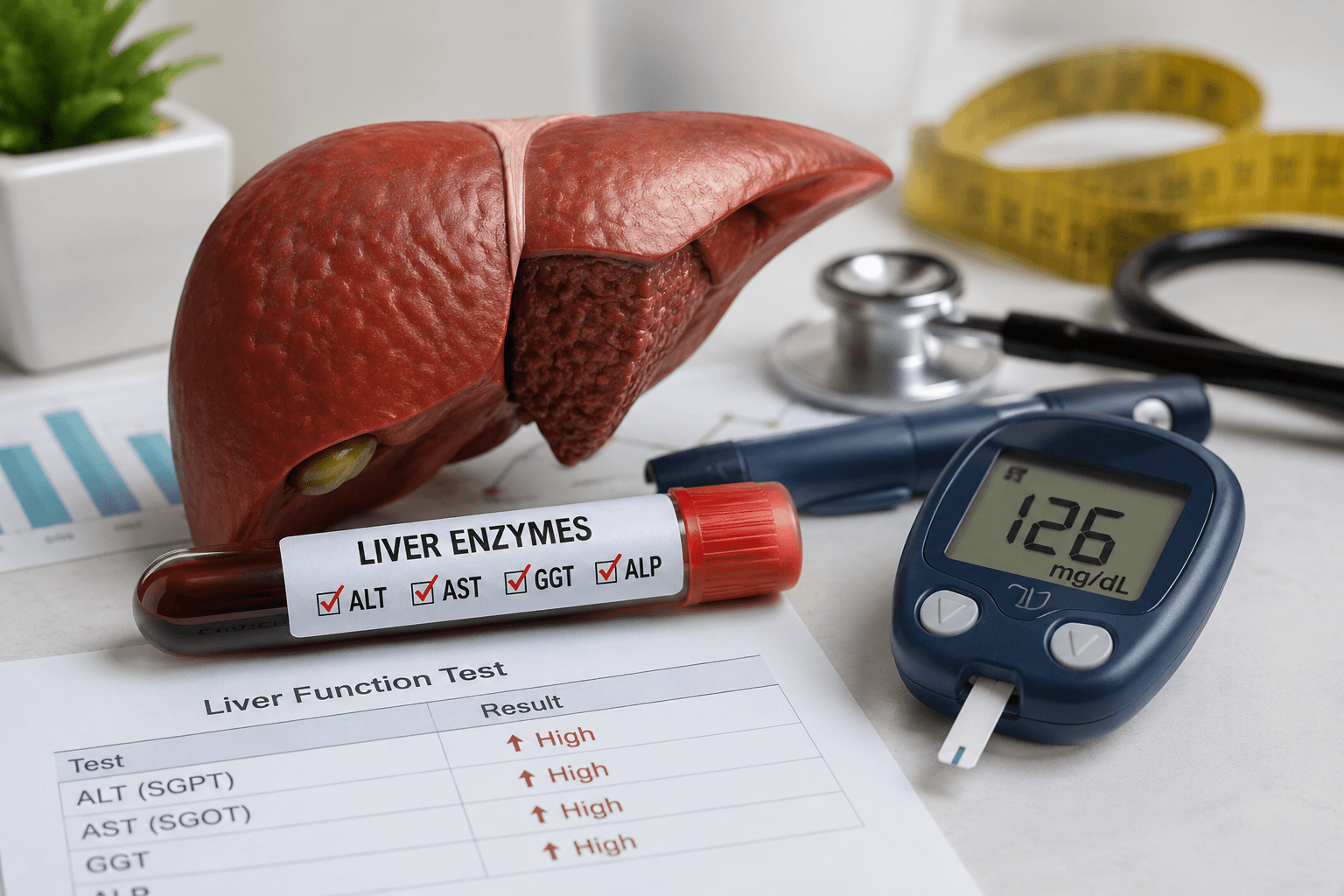
Many people think of liver function tests as a way to detect liver disease. However, researchers are discovering that routine liver enzymes may also reveal important clues about future metabolic health. Understanding liver enzymes diabetes risk is becoming increasingly important because these commonly ordered blood tests may help identify people …
Read More »
Jun 24, 2026
Articles, Blood Glucose Control, Blood Glucose Control, Devices, Diabetes, Prevention
7,140 views
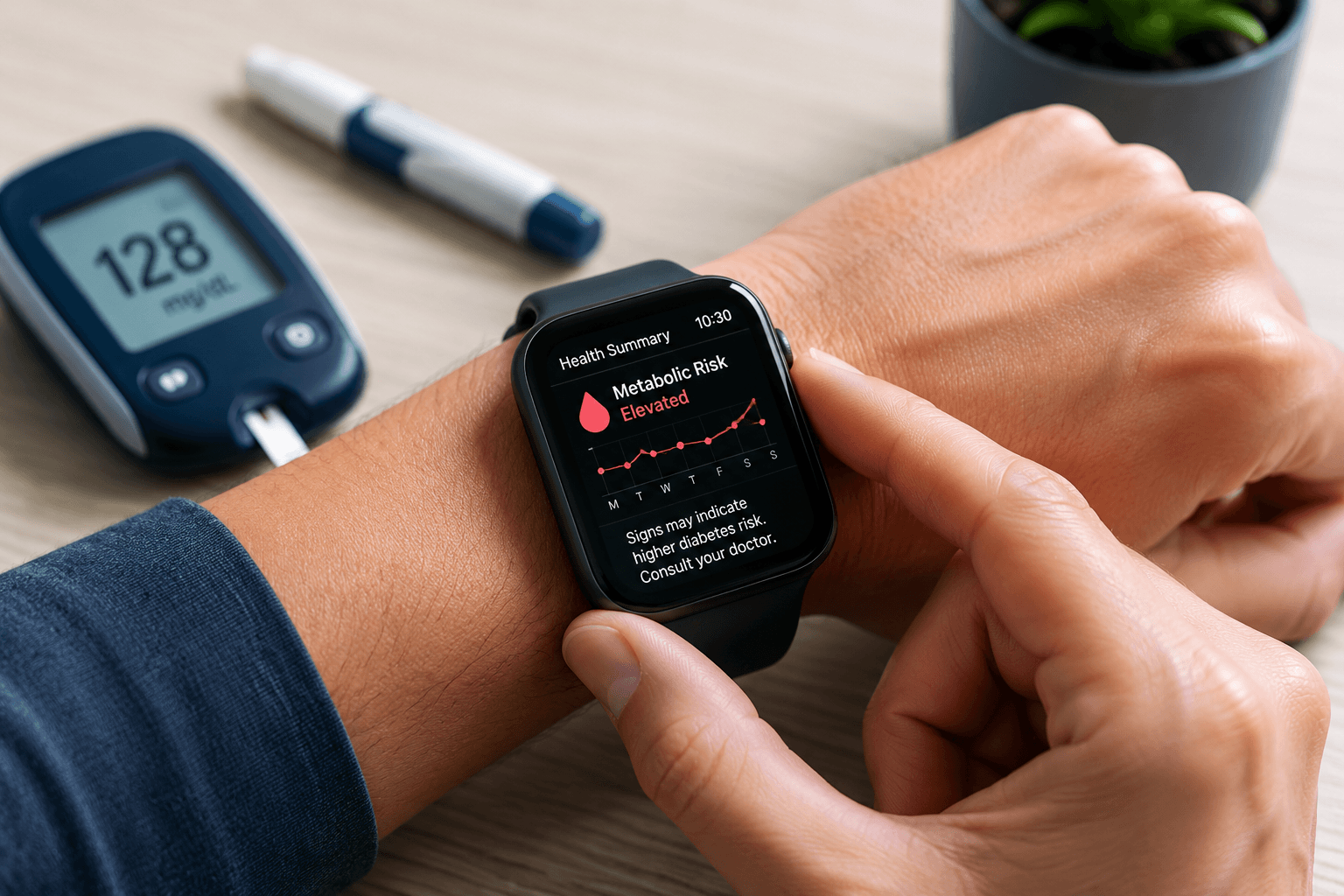
For decades, diagnosing diabetes has depended on blood tests performed during routine medical visits. However, what if your smartwatch could recognize early warning signs before glucose levels become high enough for a formal diagnosis? Researchers are now exploring wearable technologies for diabetes screening that continuously analyze physiologic data collected throughout …
Read More »
Jun 19, 2026
Articles, Blood Glucose Control, Blood Glucose Control, Devices, Diabetes, Type 1 Diabetes, Type 1 Diabetes, Type 2 Diabetes, Type 2 Diabetes
1,043 views
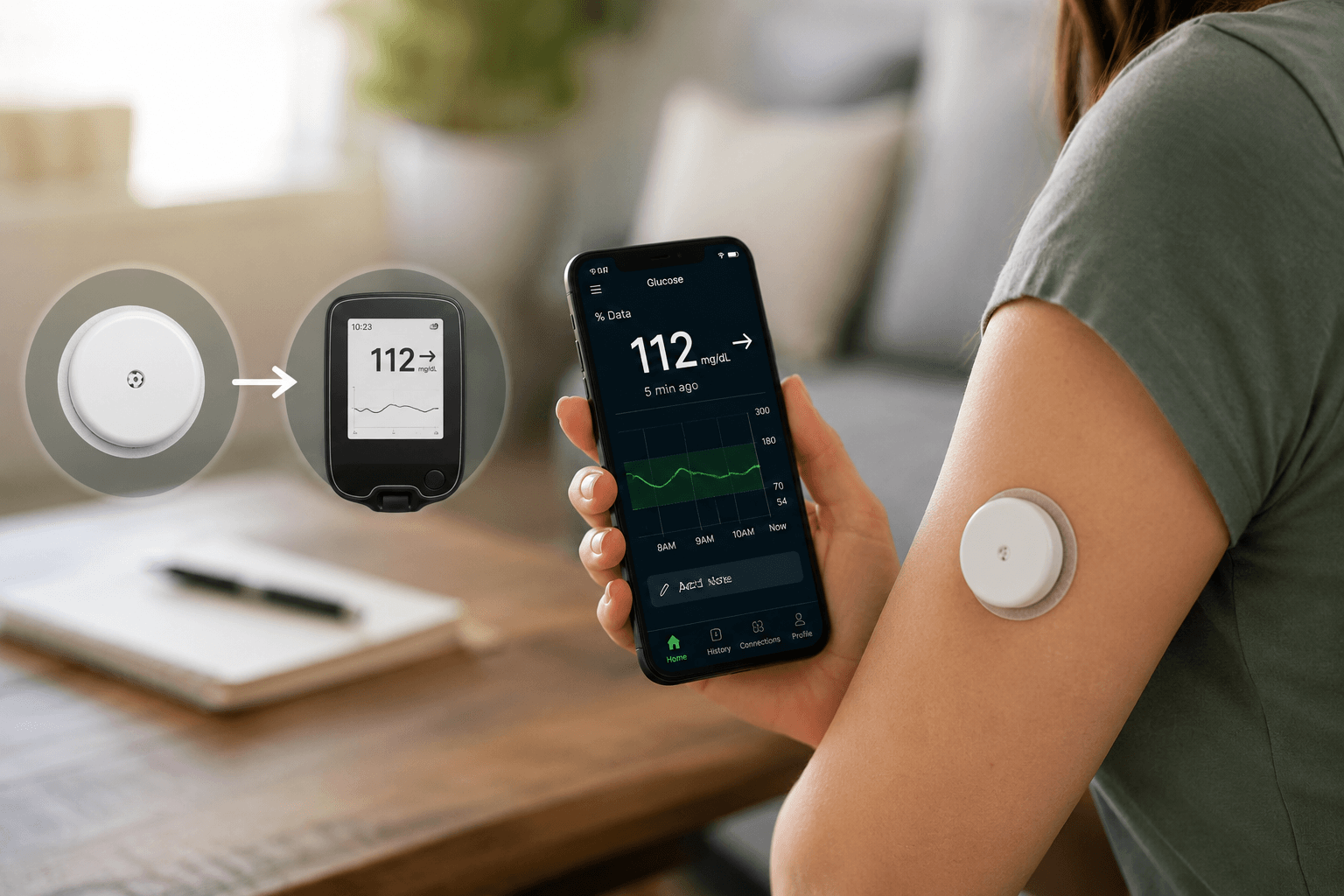
As diabetes technology continues to evolve, clinicians are increasingly faced with an important question: should patients still be using flash continuous glucose monitoring (CGM), or is it time to switch to real-time CGM? While flash CGM systems have significantly improved glucose monitoring and patient engagement over traditional fingerstick testing, real-time …
Read More »
Jun 18, 2026
Articles, Blood Glucose Control, Blood Glucose Control, Diabetes, Type 2 Diabetes, Type 2 Diabetes
1,185 views
Blood pressure control remains one of the most powerful tools for reducing cardiovascular and kidney complications in people with diabetes. While clinicians have traditionally focused on achieving targets below 140/90 mmHg, recent evidence and the 2026 American Diabetes Association Standards of Care support a more intensive approach for selected high-risk …
Read More »
Jun 16, 2026
Articles, Blood Glucose Control, Blood Glucose Control, Diabetes, Type 1 Diabetes, Type 1 Diabetes, Type 2 Diabetes, Type 2 Diabetes
2,117 views
For years, hospital admission often meant disconnecting patients from their personal diabetes devices. Continuous glucose monitors (CGMs) and insulin pumps were frequently removed, even when patients had used them successfully at home. However, the 2026 American Diabetes Association (ADA) Standards of Care introduce a significant shift in how hospitals approach …
Read More »
Jun 15, 2026
Articles, Blood Glucose Control, Blood Glucose Control, Diabetes, Oncology, Therapies
1,596 views
As cancer treatment becomes increasingly sophisticated, clinicians are encountering a growing metabolic challenge. Cancer therapy–induced hyperglycemia has emerged as an important concern with the expanding use of immunotherapies and targeted therapies. In some patients, hyperglycemia develops gradually. In others, particularly those receiving immune checkpoint inhibitors, severe diabetes and diabetic ketoacidosis …
Read More »
 Diabetes In Control. A free weekly diabetes newsletter for Medical Professionals. News and information for Medical Professionals.