 Diabetes In Control. A free weekly diabetes newsletter for Medical Professionals. News and information for Medical Professionals.
Diabetes screening should be protocol test in all health centers, health fairs to prevent undiagnosed diabetes and avoid later complications.
Read More »HbA1c Screening A Must In All Hospitals


Diabetes screening should be protocol test in all health centers, health fairs to prevent undiagnosed diabetes and avoid later complications.
Read More »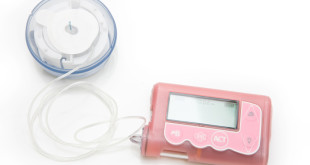
New data presented at AACE shows hypoglycemic events are less likely in patients with diabetes treated with an electronic glycemic management system.
Read More »
Novo Nordisk announced positive results on its pipeline GLP-1 candidate, semaglutide, from the phase IIIa trial, SUSTAIN 4 and 5.
Read More »
Guest article by David Kliff, Diabetic Investor: Panel further assessing date that SGLT-2 drug shows actual benefit for heart.
Read More »
More stringent hyperglycemia management (target A1C 6-6.5%) in type 2 diabetes might be supported by which one of the following factors: A. Long-standing disease duration B. Moderate-severe vascular complications C. Shorter life expectancy D. Absent-few comorbidities Are you right? Follow the link to find out!
Read More »
Challenge your Health IQ in this fun and educational health trivia app. Do you know the minimum SPF needed to protect yourself from the sun’s harmful rays? Or how many seconds you should wash your hands to kill germs? Test your Health IQ to see how your health skills stack up.
Read More »
In this week's Homerun Slides, the Canadian Diabetes Association lists insulin action and examples of insulin initiation and titration regimens in people with type 2.
Read More »
Regulation of proinsulin conversion: PC2 and PC1/3 are Ca2+-dependent enzyme activities with an acidic pH 5 – 5.5 optimum. Fortunately, the beta granule contains an intraorganellar environment of 1 – 10 mM free Ca2+ and acidic pH 5.5, which ideally suits the requirements for optimal PC2, PC1/3 and CP-H activities within this organelle.
Read More »
Do you look to Diabetes in Control to keep you updated with new treatments? Follow the link to share your opinion.
Read More »
During the United Kingdom Prospective Diabetes Study (UKPDS), patients with type 2 diabetes were assigned to the intensive treatment arm (received a sulfonylurea or insulin, or metformin if overweight) or a conventional treatment arm (dietary interventions only). In the intensive treatment arm, which one of the following benefits became apparent only when a 10-year follow-up study was conducted? A. Reduced risk of microvascular complications B. Clinically lower overall BMI C. Reduced risk of myocardial infarction D. Lower overall mean A1C Did you get it right? Follow the link to find out!
Read More »