Jun 25, 2026
Articles, Blood Glucose Control, Blood Glucose Control, Diabetes, Gastroenterology, Prevention, Type 2 Diabetes, Type 2 Diabetes
1,630 views
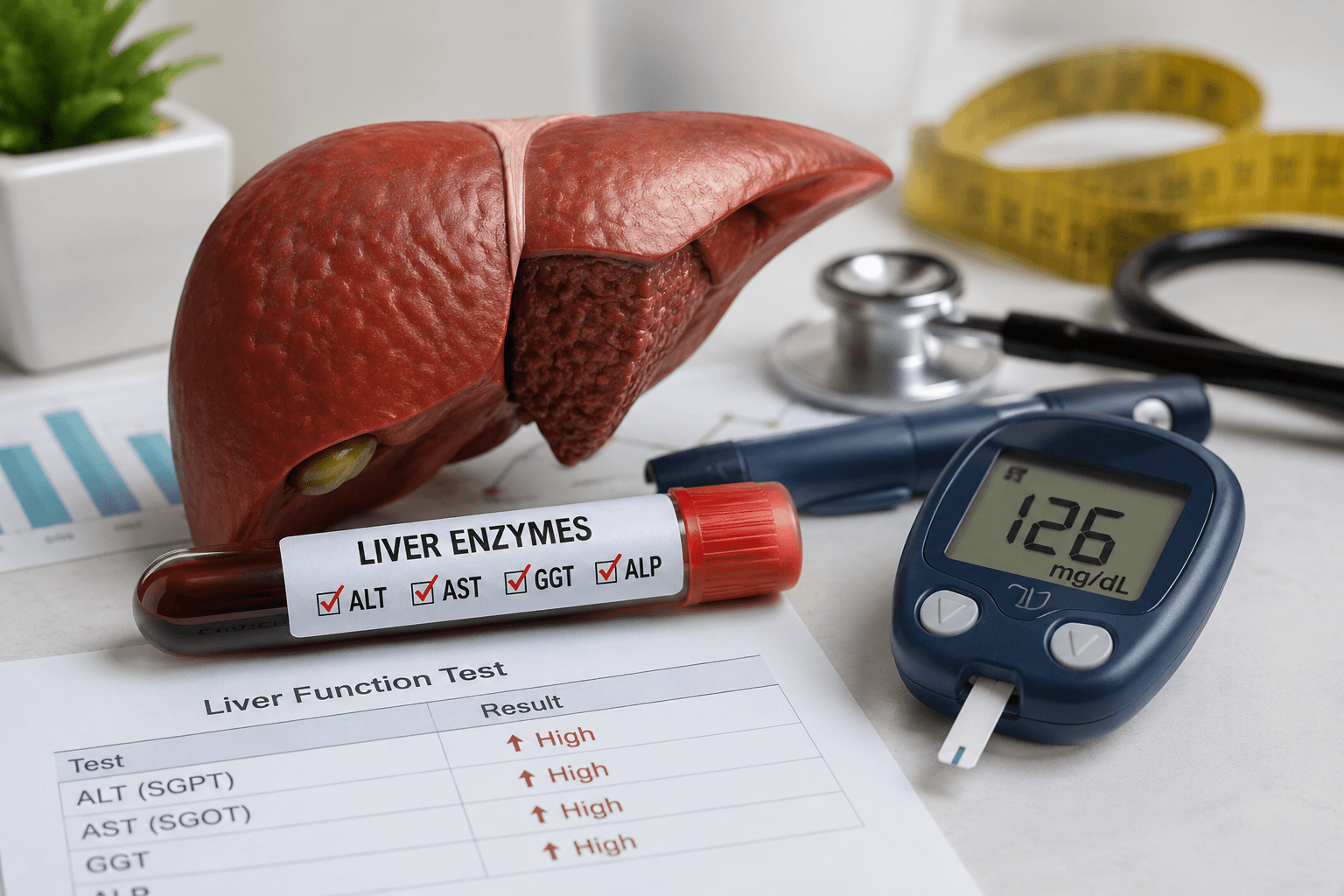
Many people think of liver function tests as a way to detect liver disease. However, researchers are discovering that routine liver enzymes may also reveal important clues about future metabolic health. Understanding liver enzymes diabetes risk is becoming increasingly important because these commonly ordered blood tests may help identify people …
Read More »
Jun 25, 2026
Articles, Diabetes, Gestational Diabetes, Prevention, Women's Health
1,815 views
Postpartum screening after gestational diabetes is one of the most important yet overlooked steps in preventing future type 2 diabetes. Although blood glucose levels often return to normal after delivery, the long-term metabolic risk does not disappear. In fact, up to half of individuals diagnosed with gestational diabetes mellitus (GDM) …
Read More »
Jun 24, 2026
Articles, Blood Glucose Control, Blood Glucose Control, Devices, Diabetes, Prevention
7,140 views
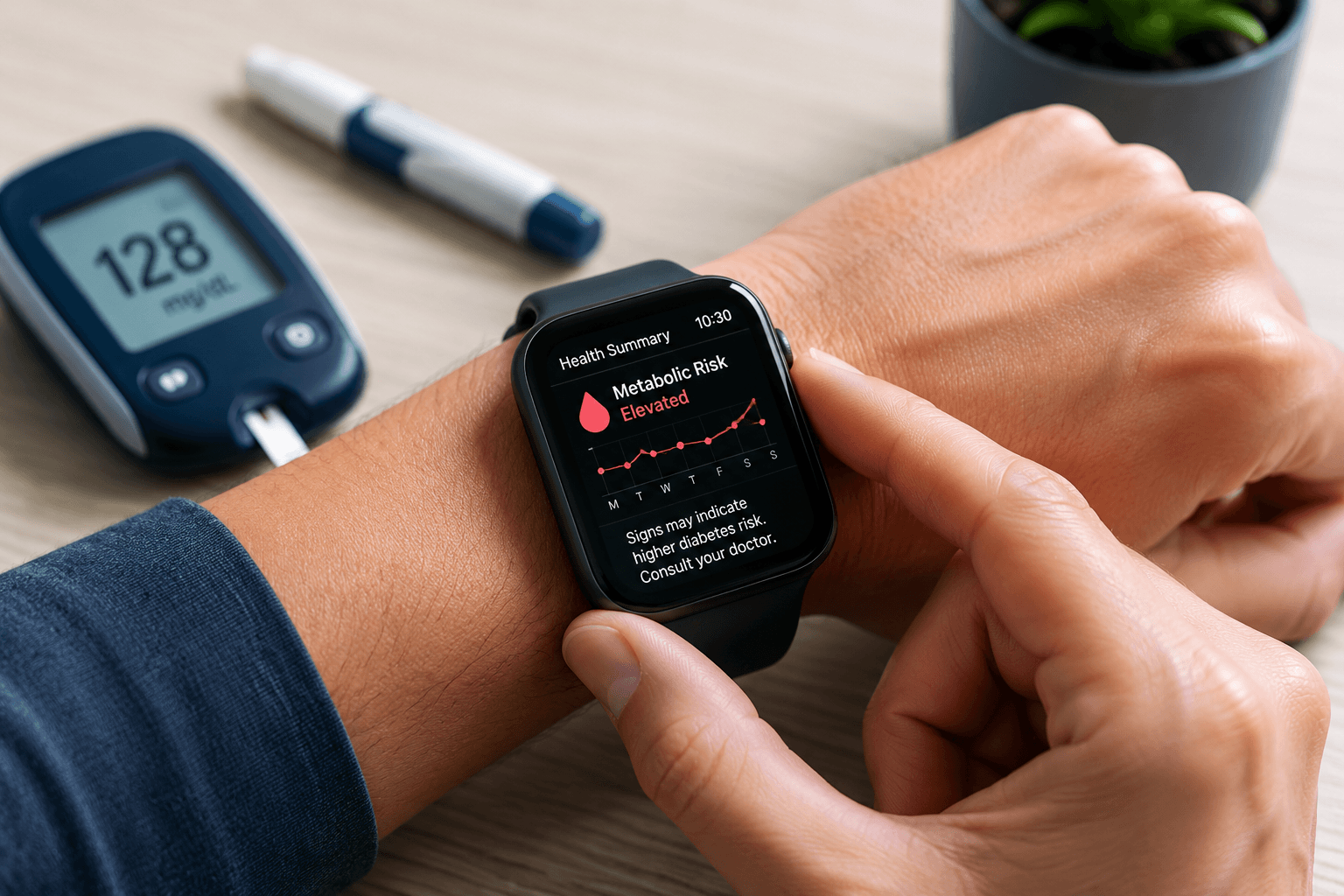
For decades, diagnosing diabetes has depended on blood tests performed during routine medical visits. However, what if your smartwatch could recognize early warning signs before glucose levels become high enough for a formal diagnosis? Researchers are now exploring wearable technologies for diabetes screening that continuously analyze physiologic data collected throughout …
Read More »
Jun 23, 2026
Articles, Diabetes, Obesity, Surgery, Therapies, Type 2 Diabetes, Type 2 Diabetes
3,229 views
For many people living with type 2 diabetes, treatment eventually reaches a frustrating crossroads. Despite multiple medications, including GLP-1 receptor agonists, SGLT2 inhibitors, and insulin, glycemic targets may remain difficult to achieve. Meanwhile, bariatric surgery can produce major metabolic benefits, but its invasiveness limits acceptance for many patients. This treatment …
Read More »
Jun 23, 2026
Articles, Diabetes, Mental Health, Neurology, Type 2 Diabetes, Type 2 Diabetes
4,111 views
For decades, diabetes care has focused on preventing complications such as retinopathy, nephropathy, neuropathy, and cardiovascular disease. Yet another complication may be developing much earlier and often without obvious symptoms: diabetes-related cognitive decline. While memory loss and dementia have traditionally been viewed as concerns of older age, growing evidence suggests …
Read More »
Jun 22, 2026
Articles, Therapies, Type 1 Diabetes, Type 1 Diabetes
4,486 views
For decades, treatment after a type 1 diabetes diagnosis focused almost entirely on insulin replacement and blood glucose management. While advances in technology have improved care, clinicians have had few ways to address the autoimmune process driving beta-cell loss. That is beginning to change. With the FDA’s expansion of teplizumab-mzwv …
Read More »
Jun 22, 2026
Articles, Diabetes, Mental Health, Type 2 Diabetes, Type 2 Diabetes
1,512 views
When most people think about diabetes risk factors, they picture blood sugar levels, diet, exercise habits, or genetics. However, researchers and clinicians are increasingly focusing on another factor that may have a profound impact on health outcomes: loneliness. The connection between loneliness and diabetes is gaining attention as evidence continues …
Read More »
Jun 19, 2026
Articles, Conditions, Diabetes, Geriatric Medicine, Type 2 Diabetes, Type 2 Diabetes
3,200 views
For decades, scientists have known that people with type 2 diabetes face a higher risk of heart disease, kidney disease, cognitive decline, and other age-related conditions. However, emerging research suggests these complications may be linked to something even more fundamental: accelerated biological aging in diabetes. In other words, diabetes may …
Read More »
Jun 19, 2026
Articles, Blood Glucose Control, Blood Glucose Control, Devices, Diabetes, Type 1 Diabetes, Type 1 Diabetes, Type 2 Diabetes, Type 2 Diabetes
1,044 views
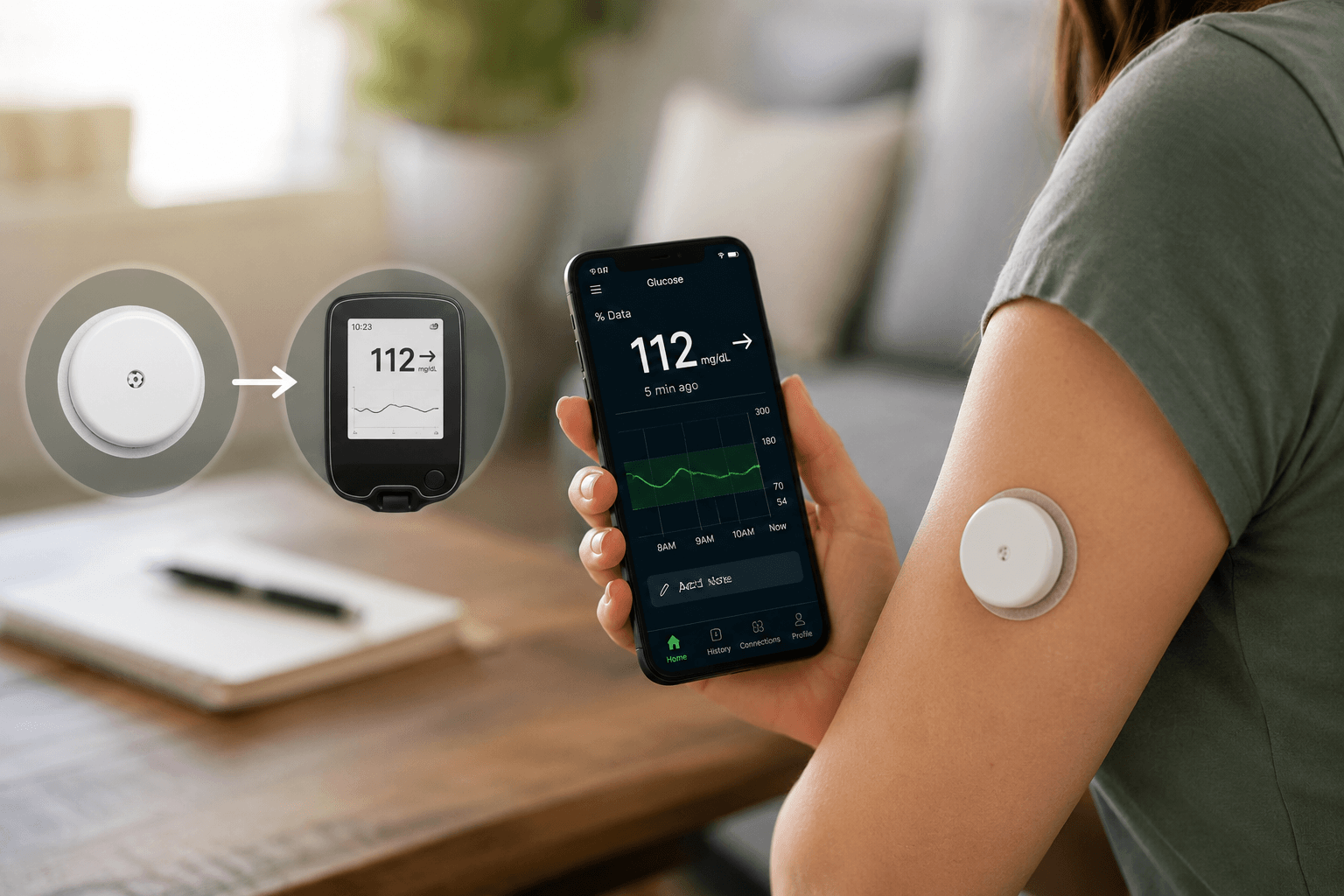
As diabetes technology continues to evolve, clinicians are increasingly faced with an important question: should patients still be using flash continuous glucose monitoring (CGM), or is it time to switch to real-time CGM? While flash CGM systems have significantly improved glucose monitoring and patient engagement over traditional fingerstick testing, real-time …
Read More »
Jun 18, 2026
Articles, Diabetes, Pediatrics, Prevention, Type 1 Diabetes, Type 1 Diabetes
2,079 views
As population-based screening for type 1 diabetes (T1D) becomes more common, clinicians increasingly encounter positive islet autoantibody results in children and adults who have no symptoms. However, not all positive screening results carry the same clinical significance. A single positive autoantibody may indicate elevated risk, yet the specific antibody detected …
Read More »
 Diabetes In Control. A free weekly diabetes newsletter for Medical Professionals. News and information for Medical Professionals.