 Diabetes In Control. A free weekly diabetes newsletter for Medical Professionals. News and information for Medical Professionals.
Women with type 2 diabetes are more likely to have risk factors for chronic kidney disease than men, which may also put them at risk for poorer outcomes.…
Read More »Diabetes In Control

Calcium Score Predicts CVD Risk in Kidney Disease
In patients with CKD, coronary artery calcification predicted the risk of CVD events, especially in those with no history of it.…
Read More »Editor’s Note: “Schiff base” and AGEs
Some of you may remember the term “Schiff base” from your days in the chemistry lab, but do you have any idea what this compound has to do with diabetes? When it comes to advanced glycation end products (AGEs), a Schiff base is what contributes to the overall damage. This …
Read More »Psychology in Diabetes Care, 2nd Ed: Diabetes in Children, Part 5

Edited by Frank J. Snoek and T. Chas Skinner Diabetes in School-aged Children Psychosocial development and diabetes in the school-aged child The primary developmental tasks of the child during the elementary school years include making a smooth adjustment from the home to the school setting; forming close friendships with …
Read More »Overview of AGEs, Part 1 of 4
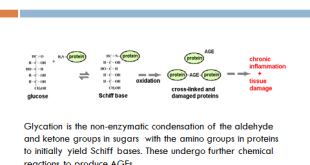
This week we begin a new Homerun Slides series on advanced glycation end-products (AGEs) focusing on gaining insight into understanding the formation of (AGEs), their overall impact on diabetic patients, and ways to reduce or negate their effect.
Read More »Letter from the Editor #600: Top 10 Physical Activity Myths Demystified and Reversing Beta Cell Failure
According to Webster’s, a “publisher is responsible for the selection, preparation, and distribution of information,” and usually has no involvement in the actual development of content or material. However, when the publisher has over 20 years of experience in diabetes care, you can expect a little more from them. This …
Read More »GLP-1’s Function in Preserving B-cells
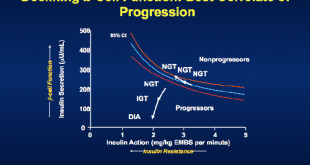
Associations between acute glucose lowering and improved acute insulin secretory responses suggest improved β-cell function. Comparing and assessing effects of pharmacological therapies used to control hyperglycemia on β-cell function is necessarily inferential, given lack of any universal measure.1
Read More »Formula for Converting A1c to eAG

Formula for Converting A1c to eAG Converting your patients A1c result to their average blood glucose will give them a better understanding of their diabetes control. Most patients do not have a true understanding of what their A1c result means to their overall health. By converting their A1c to their …
Read More »tSlim Insulin Pump

tSlim Insulin Pump An insulin pump that’s sized like a credit card, Tandem Diabetes Care’s t:slim™ Insulin Delivery System is today’s slimmest insulin pump — up to 25% slimmer than others. Through an easy-to-use touch screen, entering important information and accessing features is accomplished with fewer button-pressing steps. The t:slim insulin …
Read More »Oral Insulin Substitute Could Replace Injections
Erik Helmerhorst, professor at Curtin University, and colleagues, looked at three million compounds on pharmaceutical databases over 10 years to try to emulate the molecular map of insulin. They found one, and are developing it to “take the needle out of diabetes.” “Our innovation is the development of a new …
Read More »