 Diabetes In Control. A free weekly diabetes newsletter for Medical Professionals. News and information for Medical Professionals.
This week we continue our series of Homerun Slides on Pathophysiology in the Treatment of Type 2 Diabetes: New Agents with information on Colesevelam….
Read More »Pathophysiology in the Treatment of Type 2 Diabetes: Newer Agents, Part 2 of 5
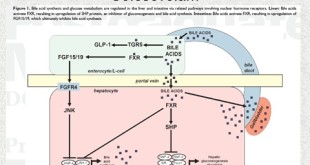

This week we continue our series of Homerun Slides on Pathophysiology in the Treatment of Type 2 Diabetes: New Agents with information on Colesevelam….
Read More »By Brandon Flohr PharmD Candidate, LECOM College of Pharmacy When the topic of diabetes comes up, the two forms that are discussed the most are type I and type II diabetes (TIIDM). There are nearly “26 million diagnosed and undiagnosed adults” with diabetes in the United States and this …
Read More »Could chopsticks be the answer to diabetes and obesity? In a study released from Otago University the speed of eating has a big effect on weight gain and if we could just slow them down then maybe weight gain would slow down to. Can you imagine if we did away with …
Read More »Linagliptin has received approval in Europe for the treatment of type 2 diabetes. Abbott is permanently discontinuing the FreeStyle Navigator CGMS System in the U.S. Supplies will continue to be available until March 2012. EpiPen and EpiPen Jr single packages have been discontinued and will be supplied in 2-Paks only. …
Read More »
Researchers have developed a new test that checks a person’s sweat to monitor blood sugar levels. The sweat meter can be attached to a smartphone. The phone can then alert patients when their blood sugar is getting low. It would benefit athletes or patients who don’t get the usual warning …
Read More »The world is becoming a heavier place. Obesity rates worldwide have doubled in the last three decades, even as blood pressure and cholesterol levels have dropped, according to three new studies published last week, in The Lancet. Researchers said they were concerned about how much worse the obesity problem could …
Read More »It may not be the burger that packs on the pounds, but the speed at which you eat it. New research from Otago University has revealed eating speed is linked to weight gain. Department of Human Nutrition researchers analyzed the relationship between self-reported speed of eating and BMI in over …
Read More »John Thyfault, an assistant professor at the University of Missouri, studied the relationship between low levels of physical activity and elevated levels of postprandial glucose. While monitoring activity levels and diets of healthy and moderately active young adults Thyfault found that those people that reduced their physical activity by about …
Read More »Common rules of thumb exaggerate how much weight people will lose from a given dietary calorie reduction, leading to unrealistic expectations and disappointment, researchers said.…
Read More »British investigators are reporting that individuals who ate the most chocolate had a 37% lower risk of cardiovascular disease and a 29% lower risk of stroke compared with individuals who ate the least amount of chocolate….
Read More »