 Diabetes In Control. A free weekly diabetes newsletter for Medical Professionals. News and information for Medical Professionals.
Each time we see our diabetes patients we stress lifestyle modifications. We know that our patients want to improve but we also know how hard it can be. This week, we feature Homerun Slides prepared by Margarita Stanosyan, Doctor of Pharmacy Candidiate, LECOM College of Pharmacy covering GLP-1 Analogs and Lifestyle Modifications. …
Read More »Diabetes In Control

Diabetic Emergencies, Diabetic Ketoacidosis in Adults, Part 3

Clinical Management Treatment consists of rehydration with intravenous fluids, the administration of insulin, and replacement of electrolytes.
Read More »The Effects of GLP-1 Agonists — A Review of the Drug Class
Amanda Zell, PharmD Candidate, Mercer University College of Pharmacy Glucagon-like peptide-1 (GLP-1) is part of a family of peptide hormones known as incretins. Incretins, such as GLP-1 and glucose-dependent insulinotropic polypeptide (GIP), are secreted by entero-endocrine cells of the gastrointestinal tract to stimulate glucose-dependent insulin secretion and beta-cell proliferation. GLP-1 receptor …
Read More »Letter from the Editor #644: The “Arnold Factor” and Waist-to-Hip Ratio
Years ago we made a determination that BMI was the most important indicator of a person’s risk for diabetes, hypertension and heart disease. We even use a BMI value to determine if a person is either obese or just overweight. However there was always a lot of controversy because of …
Read More »McDonald’s Adding Calorie Counts to U.S. Menus
McDonald’s Adding Calorie Counts to U.S. Menus McDonald’s Corp will begin telling diners next week how many calories are in its Big Macs (550) and French fries (500 for a large size).
Read More »World’s Smallest Insulin Syringe – Daily Dose by Insulution
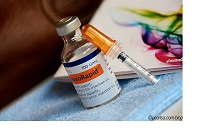
World’s Smallest Insulin Syringe – Daily Dose by Insulution Daily Dose is the world’s smallest insulin syringe and is designed to be easily carried in a wallet or the cash pocket of jeans, maximizing convenience and decreasing the chances patients find themselves without a ready dose of insulin. Not available yet …
Read More »Obese Kids Less Sensitive to Tastes
Obese children have a less-sensitive sense of taste compared with kids of normal weight, a new study suggests. Their blunted ability to distinguish the five tastes (bitter, sweet, salty, sour and umami) may prompt obese children to eat larger quantities of food to register the same taste sensation, the researchers …
Read More »Higher BPA Levels Are Linked to Obesity in Kids and Teens
A new study linking BPA to childhood and teenage obesity didn’t prove that the chemical caused obesity per se but does add to the evidence against ingesting BPA. According to researchers, some level of BPA, found in the linings of aluminum cans, in plastic bottles, and even in dental sealants …
Read More »Fructose Intake Linked to Liver Damage
In obese patients with diabetes, a high intake of fructose is associated with impairment in cellular energy balance that may play a role in liver disease, researchers said. A small pilot study also suggested that elevated uric acid levels in response to a fructose challenge might be a marker for …
Read More »Pre-Diabetes Is Treatable to Prevent Diabetes
Preservation of beta-cell function is more closely related to long-term prevention of diabetes than is insulin sensitivity….
Read More »