 Diabetes In Control. A free weekly diabetes newsletter for Medical Professionals. News and information for Medical Professionals.
Steve, Andrew and I are back from the 73rd ADA Scientific Sessions in Chicago with lots of great information for you including many studies on current medications either showing improved outcomes or the value of using existing medications in new combinations or strengths. However, most research focused on new drugs …
Read More »Diabetes In Control

Editor’s Desk, DCMS #142: DKA in Children and Adolescents
Diabetic ketoacidosis (DKA) is the leading cause of morbidity and mortality in children with type 1 diabetes mellitus and the emergency room is where the these kids usually end up. The onset of DKA can occur at anytime and can occur in children who were previously naive to the disease. …
Read More »Wellness Initiatives in the Workplace, Part 2 of 3
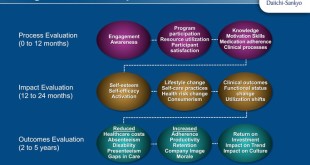
In this week’s set of Homerun Slides, we continue our exploration of workplace wellness: topics covered include Barriers and Opportunities for Implementation of Workplace Wellness, and Measuring Return on Investment (ROI) in Wellness Programs, focusing on both employer and employee benefits….
Read More »Diabetic Emergencies: Diabetic Ketoacidosis in Childhood and Adolescence, Part 1 of 3

Christina Kanaka-Gantenbein, MD, PhD Definition of emergency Diabetic ketoacidosis (DKA) is the leading cause of morbidity and mortality in children with Type 1 diabetes mellitus (T1D). Mortality is mainly related to the occurrence of cerebral edema, while only a minority of deaths are attributed to other causes.1,2 …
Read More »First Consult
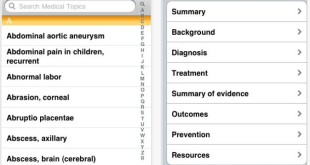
Elsevier, Inc. iOS/Requires subscription to FirstConsult website The First Consult iPhone/iPad app allows the MD Consult website’s answers to be stored on your iPhone, iPad, or iPod touch. A data connection is required for the initial content download and content updates, but is not required to use the app itself …
Read More »Letter from the Editor #682:
This weekend finds all of us at the ADA meeting in Chicago and we have some early releases on some of the findings. The great thing about the Scientific Sessions is that researchers of new drugs, techniques and methods of diabetes care put all their work out for us to …
Read More »ADA Wants Firms to Disclose All Incretin Data
ADA Wants Firms to Disclose All Incretin Data. See this week’s Item #3. AMA Declares Obesity Is a Disease. More info coming soon.
Read More »Work Sheet for Preventing Insulin Errors

The number one drug that mistakes are made with is insulin. The Patient Safety Authority has created this work sheet to help prevent errors in the use of insulin.
Read More »How to Eat When Trying to Lose Weight
Frequent, Smaller Meals or Fewer, Larger Ones? Researchers found that eating two meals (breakfast and lunch, no dinner) a day led to a greater decrease in BMI, was less likely to contribute to fatty liver disease and caused a greater increase in insulin sensitivity than eating six smaller meals. Read …
Read More »Dietary Sweeteners: Research, Recommendations and the Real World
Is fructose worse than other sugars? Are artificial sweeteners safe? And what really happens if people with diabetes eat too much sugar? Can it also affect the liver? This symposium conducted at the ADA’s Scientific Sessions in Chicago will look at the metabolic effects of different dietary sugars/sweeteners (both artificial …
Read More »