 Diabetes In Control. A free weekly diabetes newsletter for Medical Professionals. News and information for Medical Professionals.
We talk about the use of technology to improve diabetes care but often it is some "new magic" device that costs a fortune and that no insurance company will pay for. This week, our Disaster Averted shows how taking advantage of free technology like Skype can help you see exactly what …
Read More »Diabetes In Control

Obesity 2014, Part 4
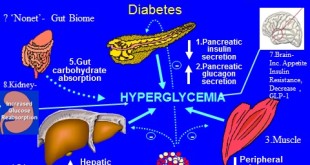
In this week’s Homerun Slides, we continue our exploration on the state of obesity in 2014 including topics on the relationship of BMI and the risk of type 2 diabetes mellitus, genes that cause or are associated with diabetes, and the two principal genetic defects in B-cells that can …
Read More »Surescripts Finds Some Data May Be Inaccurate
Surescripts Finds Some Data May Be Inaccurate Surescripts is reporting a potential inaccuracy of electronically transmitted medication history information used for medication reconciliation. See this PDF report for more details.
Read More »Patient Handout: Prediabetes Turnaround
Patient Handout: Prediabetes Turnaround What do you have to give to your newly diagnosed prediabetic patients? From dLife comes this pdf handout that provides 12 simple steps to help prevent diabetes. Keep these on your desk and have all your overweight and prediabetic patients read and take a copy home …
Read More »Review: The Spark People Activity Tracker

Review: The Spark People Activity Tracker This Electronic pedometer and activity monitor is accurate and simple to use. Patients can just clip it on a belt or shoe, or even place it in their pants pocket and it monitors activity. Although this sounds like every other pedometer, what makes the …
Read More »Obesity Starts before Kindergarten, “Weight Fate” Set by Age 5
A new study which tracked a sample of more than 7,700 children through grade school across the U.S. found that of children between ages 5 and 14, nearly 12% developed obesity — 10% of girls and nearly 14% of boys. The study found that much of a child’s "weight fate” …
Read More »Can Exercise Alter Metabolism Gene Expression Patterns?
Researchers found that short-term overeating and reduced physical activity lowered participants’ insulin sensitivity and altered expression patterns of several genes and proteins within adipose tissue. The study included 26 healthy, habitually active men aged 18 to 32 years. The affected genes are involved in nutritional homeostasis, metabolism, and insulin action …
Read More »Night Shift Workers More Likely to Have “Pro-Inflammatory” Diet
Michael Wirth, MSPH, Ph.D., of the University of South Carolina, Columbia, analyzed the relationship between shiftwork and pro-inflammatory diet using data from a nationwide sample of employed adults. Based on diet questionnaires, the researchers calculated a "dietary inflammatory index" (DII) for each individual. The greater the DII score, the more …
Read More »Older Patients with T2DM and Comorbidities Don’t Feel Heard
Responses in focus groups point to a "disconnect" between patients with these conditions and their providers….
Read More »Diabetes Linked to Low Dose Steroids
Both high and low dose steroids now correlated with increased risk of diabetes….
Read More »