Oct 19, 2014
Letter From The Editor
1,655 views
Each week there seem to be articles, studies, and clinical treatises that draw a link between diabetes and cardiovascular disease. If you look through all these documents, the benchmark for measurement always seems to be A1c. However, if you were to take a look at this week’s Homerun Slides from …
Read More »
Oct 19, 2014
Clinical Gems, Devices, Ophthalmology, Surgery
33,381 views
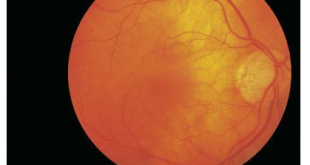
Rudy Bilous, MD, FRCP Richard Donnelly, MD, PHD, FRCP, FRACP Diabetic eye disease primarily affects the retinal vasculature, but the iris and lens can also be involved. Most people with diabetes will show signs of retinopathy after 25 years duration, but only a minority progress to the severest form. Photocoagulation has revolutionized …
Read More »
Oct 17, 2014
Obesity, Tools - Removed
1,759 views
AAAHC Releases Obesity Management Patient Toolkit The Accreditation Association for Ambulatory Health Care has released a toolkit for obesity management, Disease Management: Obesity in Adults. The tool is intended to empower medical professionals to discuss obesity management with their patients and includes a discussion of treatment options, as …
Read More »
Oct 17, 2014
Products
3,061 views
LifeVac The LifeVac is a non-powered single patient portable suction apparatus developed for resuscitating a choking victim when standard ACLS protocol has been followed without success. The LifeVac comes with two mask sizes, medium and large.
Read More »
Oct 17, 2014
Facts
1,571 views
A new follow up study looked at a previous clinical trial in patients with type 2 diabetes. The initial study was conducted with 61 subjects with diabetes. The patients were randomized either to a low-carbohydrate diet or a low-fat diet, both with a caloric content of 1600 kcal for women …
Read More »
Oct 17, 2014
Did You Know
1,353 views
Exposure to cold temperatures can convert white fat tissue from the thighs and belly to beige fat that burns calories for heat, but in a new study, researchers found that this biological response is hampered in obese people. Belly fat samples were analyzed to see if there was a difference …
Read More »
Oct 17, 2014
Did You Know
1,473 views
In what may be a step toward a cure for type 1 diabetes, researchers say they’ve developed a large-scale method for turning human embryonic stem cells into fully functioning beta cells capable of producing insulin. They ultimately envision a credit card-sized package of beta cells that can be safely transplanted …
Read More »
Oct 17, 2014
Articles, Type 2 Diabetes
2,322 views
In an analysis using genetic data from over 25 different studies involving diabetes patients, researchers can find no causal association between higher vitamin D levels and lower diabetes risk… Low circulating concentrations of 25-hydroxyvitamin D (25[OH]D), a marker of vitamin D status, have been associated with an increased risk of …
Read More »
Oct 17, 2014
Articles, Type 1 Diabetes
2,308 views
Previous studies used higher doses of otelixizumab, an anti-CD3 monoclonal antibody, but also saw a reactivation of the Epstein Barr virus…. In patients with type 1 diabetes, a higher C-peptide concentration is associated with a controlled HbA1c and fewer complications. Otelixizumab is an anti-CD3 monoclonal antibody that works by …
Read More »
Oct 17, 2014
Articles, Type 2 Diabetes
2,239 views
Socioeconomic status plays a role in how strong the association is…. Previous studies have shown an association between working longer hours and risk factors that can contribute to type 2 diabetes incidence. These risk factors included physical inactivity, unhealthy lifestyle, poor nutritional choices, and cardiovascular disease. Other studies have …
Read More »
 Diabetes In Control. A free weekly diabetes newsletter for Medical Professionals. News and information for Medical Professionals.