 Diabetes In Control. A free weekly diabetes newsletter for Medical Professionals. News and information for Medical Professionals.
Fluid retention, the investigators conclude, is not caused by improvement of the vascular actions of insulin.
Read More »Diabetes In Control

Insulin Sensitization Therapy May Cut MIs in Diabetics
Compared to use of sulfonylurea alone, the insulin-sensitizing drugs metformin and the thiazolidinediones appear to reduce the risk of myocardial infarction in patients with diabetes.
Read More »Implantable gastric stimulation (IGS)
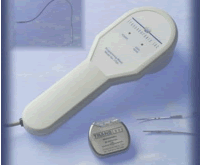
Transcend™ Implantable gastric stimulation (IGS) system for weight loss is currently available in Europe and Canada and is now a part of Medtronic. This system uses gentle electrical stimulation of the stomach to enhance the normal feeling of fullness (satiety). Patients can expect to lose 30-40% of excess weight over …
Read More »Rapid Rise of Chronic Kidney Disease
Chronic kidney disease is rising rapidly worldwide and is becoming a global healthcare problem, warn experts in this week’s BMJ.
Read More »Short, Maximal Sprint Prevents Postexercise Hypoglycemia in Type 1’s
A 10-second maximal sprint after moderate-intensity exercise reduces the risk of post-exercise hypoglycemia in young, otherwise healthy patients with type 1 diabetes.
Read More »Diabetics Have Increased Heart Muscle Mass That Increases Risk
“Increased left ventricular muscle mass suggests the future possibility of developing heart failure.
Read More »Fulminant Type 1 Diabetes Particularly Severe in Pregnancy
The clinical symptoms of pregnancy-associated fulminant type 1 diabetes appear to be much more serious than those experienced by comparable women with fulminant type 1 diabetes that is not associated with pregnancy, according to researchers.
Read More »Add-On Insulin Glargine Better Than Rosiglitazone in Type 2 Diabetes
Best to add glargine rather then rosiglitazone for type 2 patients inadequately controlled on dual oral therapy with sulfonylurea and metformin.
Read More »Physician Performance Feedback Improves Diabetes Control
A computerized system that tells primary care physicians how well they are managing blood glucose levels in their patients seems to improve diabetes control, new research suggests.
Read More »CRP Levels Increase After Statin Withdrawal
Withdrawing statin therapy results in a rapid and significant increase in C-reactive protein (CRP) levels, researchers report.
Read More »