 Diabetes In Control. A free weekly diabetes newsletter for Medical Professionals. News and information for Medical Professionals.
Does diabetes cause cancer, or vice versa?
Read More »Diabetes and Its Effect on Cancer
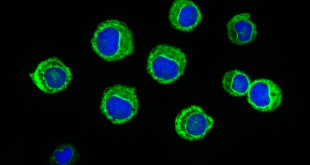
Does diabetes cause cancer, or vice versa?
Read More »
The topic of insulin action (resistance and sensitivity) has come up multiple times over the years in my articles, but it is admittedly much more complex than I often make it out to be. In a DIC article last summer, you can find a short list of all the factors that can potentially improve insulin action (basically insulin sensitivity). In reality, though, sometimes it is impossible to know exactly what is causing your reduced insulin action from day to day and how to easily and consistently manage it.
Read More »
The American Diabetes Association recommends many non-pregnant adults with type 2 diabetes work to achieve an A1C = 7%. Which one of the following glycemic patterns would support this goal? A) Fasting glucose less than 70, postprandial glucose less than 140, mean plasma glucose less than 120-140 B) Fasting glucose less than 126, postprandial glucose less than 200, mean plasma glucose less than 180 C) Fasting glucose less than 130, postprandial glucose less than 180, mean plasma glucose less than 150 -160 D) Fasting glucose less than 130, postprandial glucose less than 200, mean plasma glucose less than 150 -160 Did you get it right? Follow the link to find out!
Read More »
Would you like to see the FDA approve more treatments for prediabetes, rather than just diet and exercise? Follow the link to share your opinion!
Read More »
We have all used the phrase “if you build it, they will come,” and when it comes to glucose monitoring systems and interconnectivity, it seems that every manufacturer has a belief that this is true. When Steve and Joy were at the recent ADA Scientific Sessions there were over 20 …
Read More »
When it comes to metformin, when appropriate, I recommend the extended release version. Last week my patient, female, 56 years of age, type 2 diabetes, visited. A1C was elevated, and she gained 5 pounds. She had been on metformin ER for the last 6 months and doing well. She said she recently noticed a bean-looking/pill-looking thing in her stools that seemed to be related to her metformin.
Read More »
In part 3 of this Exclusive Interview, Kimberly Ward explains how to get busy healthcare providers to use the information provided by the Accu-Chek system.
Read More »
In this week's Homerun Slides, debunking the myth that most patients with type 2 will eventually progress to insulin.
Read More »
Autocrine effect of insulin on insulin secretion: Rodent and human pancreatic beta cells possess the various components of the insulin signaling system, including insulin receptor, insulin-like growth factor-1 (IGF-1) receptor, insulin receptor substrates (IRS-1 and IRS-2), phosphatidylinositol 3-kinase (PI3K), phosphoinositide-dependent kinase-1 (PDK1), and protein kinase B (PKB)/Akt. It has been shown that insulin binds to the insulin receptors on the surface of beta cells and induces phosphorylation of the insulin receptors and IRSs,modulating its own secretion. This effect of insulin is involved especially in the 1st phase of GIIS in mice.
Read More »