Jun 23, 2026
Articles, Diabetes, Obesity, Surgery, Therapies, Type 2 Diabetes, Type 2 Diabetes
3,229 views
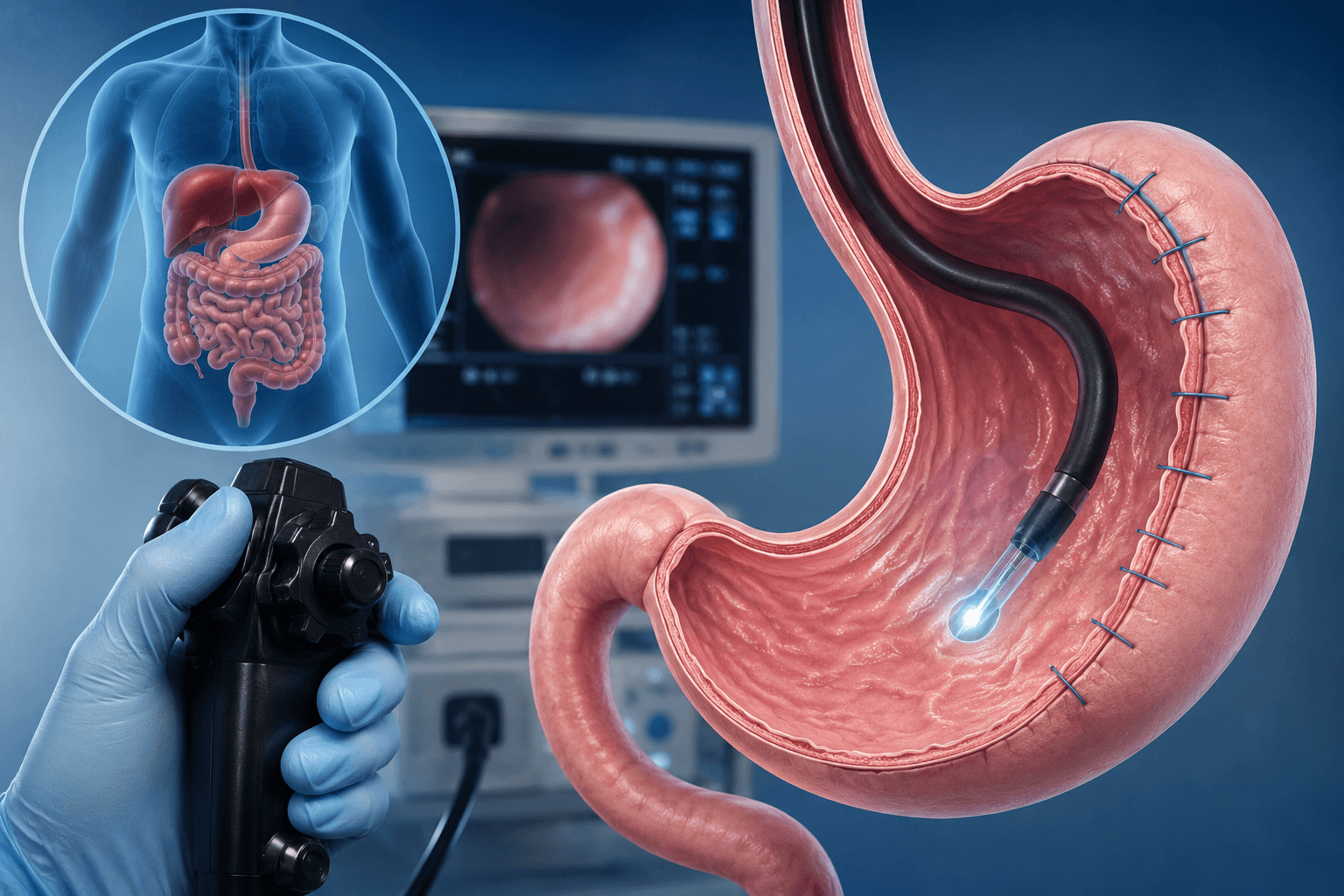
For many people living with type 2 diabetes, treatment eventually reaches a frustrating crossroads. Despite multiple medications, including GLP-1 receptor agonists, SGLT2 inhibitors, and insulin, glycemic targets may remain difficult to achieve. Meanwhile, bariatric surgery can produce major metabolic benefits, but its invasiveness limits acceptance for many patients. This treatment …
Read More »
Apr 29, 2026
Articles, Diabetes, GLP- 1 Agonist Therapy Center, GLP-1 Agonist Therapy Center, Therapies, Type 2 Diabetes, Type 2 Diabetes
1,184 views
The rise of oral GLP-1 medications is changing how clinicians approach type 2 diabetes treatment. But what if one of the biggest barriers, strict dosing requirements, suddenly disappeared? A newly approved oral option without food or water restrictions is making that question very real. As a result, clinicians now have …
Read More »
Apr 16, 2026
Articles, Diabetes, GLP- 1 Agonist Therapy Center, GLP-1 Agonist Therapy Center, Type 2 Diabetes, Type 2 Diabetes
3,492 views
As GLP-1 receptor agonists become a cornerstone of diabetes care, clinicians are rethinking how often patients on GLP-1 therapy need follow-up visits. These therapies often deliver improved glycemic control, weight loss, and cardiovascular benefits. However, does this stability mean fewer clinic visits, or does it require closer monitoring in new …
Read More »
Mar 16, 2026
Articles, Diabetes, GLP- 1 Agonist Therapy Center, GLP-1 Agonist Therapy Center, Obesity
1,448 views
Many patients describe a surprising shift when starting GLP-1 therapies: cravings feel quieter, and the constant pull toward food seems to fade. This experience, often called “food noise,” reflects deeper biological changes driven by GLP-1–based appetite signaling in the body. But what exactly is happening in the brain, and how …
Read More »
Feb 25, 2026
Articles, GLP- 1 Agonist Therapy Center, GLP-1 Agonist Therapy Center, Men's Health, Obesity, Obesity, Type 2 Diabetes, Type 2 Diabetes
1,534 views
The link between metabolism and reproduction is gaining attention, especially as questions about GLP-1 therapy and male fertility begin to surface in clinical practice. For years, male fertility evaluations focused mainly on hormones and anatomy. However, what if the root problem starts with metabolic health? Obesity and insulin resistance are …
Read More »
Feb 24, 2026
Articles, GLP- 1 Agonist Therapy Center, Neuropathy & Pain, Obesity, Obesity, Type 2 Diabetes, Type 2 Diabetes
2,925 views
Patients using GLP-1 receptor agonists are reporting something unexpected: less joint and musculoskeletal pain. As interest grows in how GLP-1 therapies may affect chronic pain, clinicians are asking an important question. Are these improvements simply the result of weight loss, or do GLP-1 medications have direct anti-inflammatory and neuromodulatory effects? …
Read More »
Feb 19, 2026
Articles, Diabetes, Therapies, Type 2 Diabetes, Type 2 Diabetes
3,958 views
Oral GLP-1 therapy is quickly reshaping how we treat type 2 diabetes, especially for patients who hesitate at the thought of injections. For years, glucagon-like peptide-1 receptor agonists were only available as injectables such as semaglutide and dulaglutide. However, the introduction of semaglutide tablets and the development of higher-dose oral …
Read More »
Feb 16, 2026
Articles, Diabetes, Obesity, Obesity
2,634 views
Patients taking GLP-1 receptor agonists often describe a surprising change: the “volume” of food thoughts seems to turn down. This experience, often described as a reduction in food noise with GLP-1 therapy, reflects measurable neuroendocrine shifts in appetite regulation and reward signaling. For clinicians, understanding and explaining this phenomenon is …
Read More »
Feb 11, 2026
Articles, Diabetes, Diet and Nutrition, Exercise, Obesity
1,490 views
The scale is moving fast, clothes are fitting better, and blood sugar numbers are improving. For many people using GLP-1 medications, weight loss can feel almost effortless at first. Yet beneath those encouraging changes, another question often emerges: is muscle being lost along with fat? For individuals focused on long-term …
Read More »
 Diabetes In Control. A free weekly diabetes newsletter for Medical Professionals. News and information for Medical Professionals.