Postpartum screening after gestational diabetes is one of the most important yet overlooked steps in preventing future type 2 diabetes. Although blood glucose levels often return to normal after delivery, the long-term metabolic risk does not disappear. In fact, up to half of individuals diagnosed with gestational diabetes mellitus (GDM) …
Read More »Can Environmental Chemicals Increase Diabetes Risk? What Emerging Research Suggests
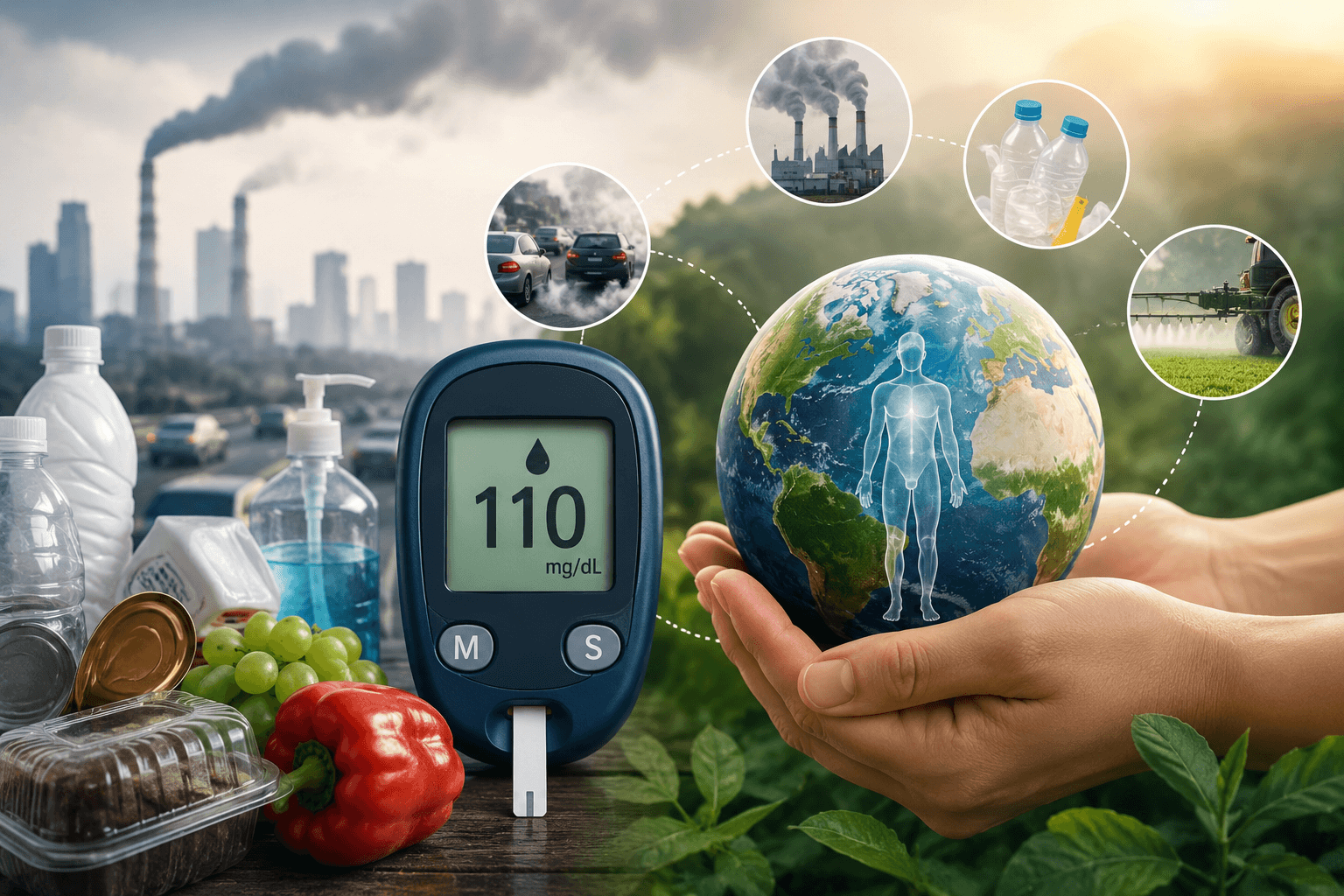
Growing evidence suggests that diabetes risk may involve more than genetics, diet, and physical inactivity alone. Researchers are now studying whether environmental chemicals could influence metabolic health in ways that contribute to insulin resistance and type 2 diabetes. While the science is still developing, interest in how environmental exposures may …
Read More »Are Wearables Redefining Prediabetes — or Over-Medicalizing It?
Prediabetes has traditionally been diagnosed during annual physical exams through fasting glucose tests or A1C measurements. However, new diabetes prevention tools and wearable technologies are rapidly changing that model. Today, wearable devices, continuous glucose monitors (CGMs), and predictive metabolic tracking tools are giving people real-time insight into their glucose patterns …
Read More »Reframing Prediabetes: Can Structured Lifestyle Programs Delay or Avoid Medication Use?
Prediabetes affects a striking proportion of adults worldwide, creating a crucial window for intervention before type 2 diabetes develops. While medications like metformin are frequently considered for high-risk individuals, evidence from large clinical trials shows that lifestyle-based strategies — especially the National Diabetes Prevention Program — can dramatically reduce the …
Read More »
Diabetes In Control. A free weekly diabetes newsletter for Medical Professionals. News and information for Medical Professionals.