3 weeks ago
Articles, Blood Glucose Control, Blood Glucose Control, Diet & Nutrition, Obesity, Prevention, Type 1 Diabetes, Type 1 Diabetes
949 views
Efforts to prevent or delay type 1 diabetes have traditionally focused on the autoimmune attack that destroys insulin-producing beta cells. However, emerging research suggests metabolic stress may also influence how quickly vulnerable people progress to clinical disease. A 2026 TrialNet analysis found that autoantibody-positive people with overweight or obesity who …
Read More »
3 weeks ago
Articles, News, Prevention, Type 1 Diabetes, Type 1 Diabetes
5,469 views
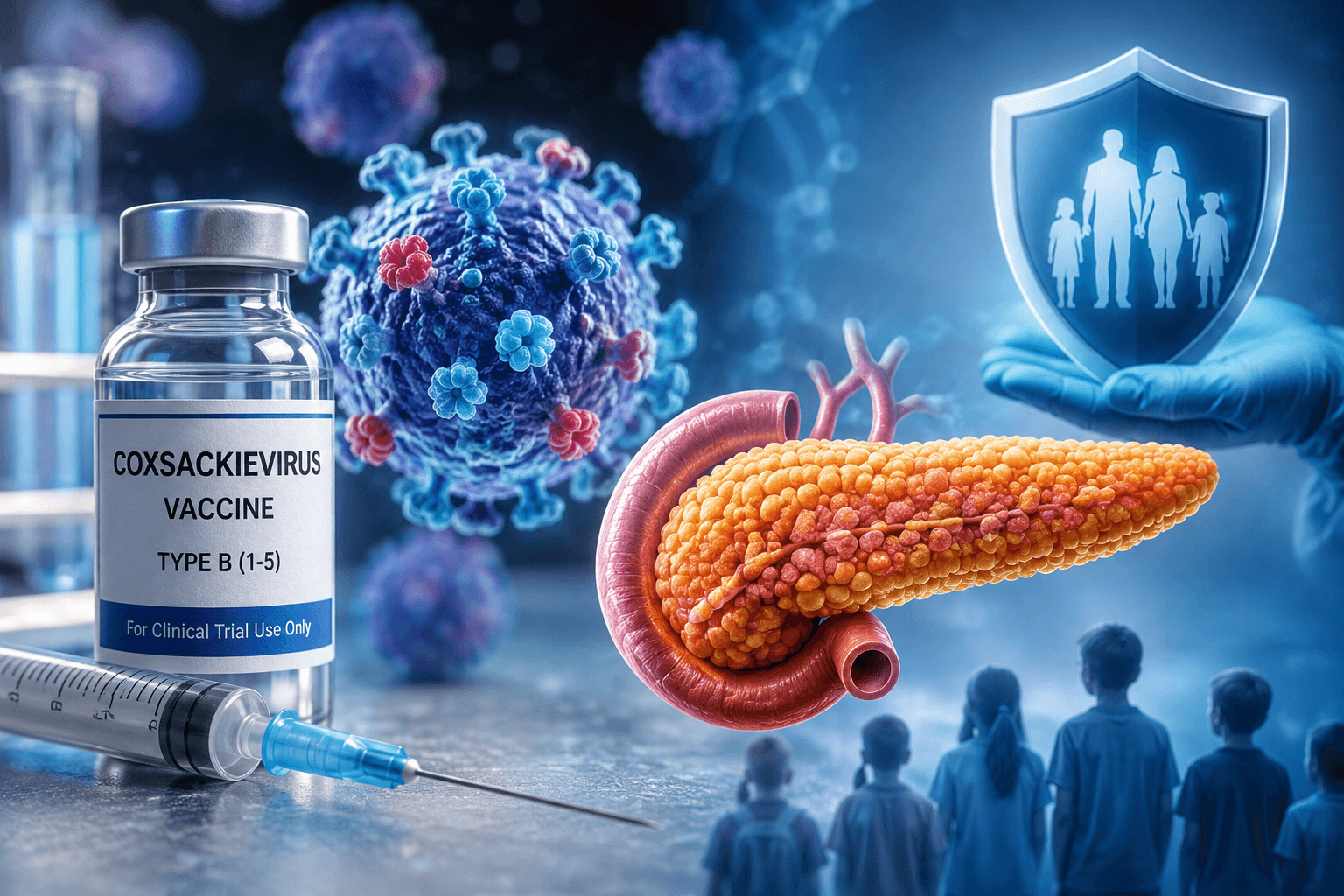
Could preventing a common viral infection also prevent some cases of type 1 diabetes? Researchers have pursued that question for decades, and the first human vaccine studies are providing important clues. The idea of using a Coxsackievirus vaccine to help prevent type 1 diabetes focuses on certain Coxsackie B viruses, …
Read More »
Jun 18, 2026
Articles, Diabetes, Pediatrics, Prevention, Type 1 Diabetes, Type 1 Diabetes
2,079 views
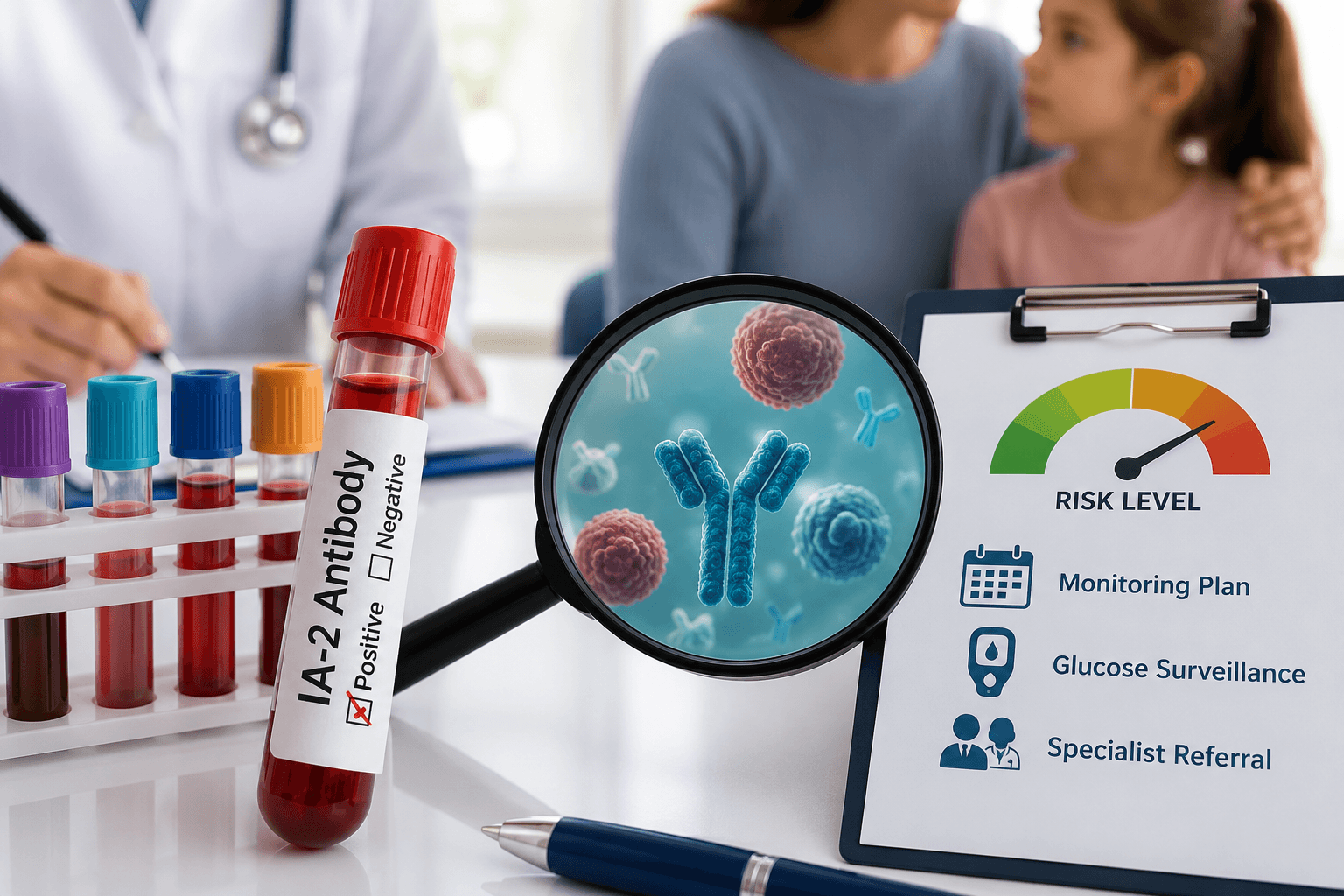
As population-based screening for type 1 diabetes (T1D) becomes more common, clinicians increasingly encounter positive islet autoantibody results in children and adults who have no symptoms. However, not all positive screening results carry the same clinical significance. A single positive autoantibody may indicate elevated risk, yet the specific antibody detected …
Read More »
Apr 29, 2026
Articles, Diabetes, Pediatrics, Prevention, Type 1 Diabetes, Type 1 Diabetes
956 views
Can we actually prevent type 1 diabetes before symptoms appear? Increasingly, the answer is yes. As research evolves, clinicians now have stronger tools to identify at-risk children earlier and delay disease progression. This shift is especially important because type 1 diabetes often develops silently before diagnosis. Therefore, early screening and …
Read More »
Apr 24, 2026
Articles, Diabetes, Prevention, Therapies, Type 1 Diabetes, Type 1 Diabetes
2,074 views
Can a chronic condition like type 1 diabetes be slowed before it fully develops? Recent long-term studies suggest that preventing or delaying type 1 diabetes may be closer to reality than once believed. In fact, emerging immunotherapy data is changing how clinicians view early-stage disease and the opportunity to intervene …
Read More »
Jan 20, 2026
Articles, Blood Glucose Control, Blood Glucose Control, Devices, Diabetes, Type 1 Diabetes, Type 1 Diabetes
5,922 views
Diabetic ketoacidosis (DKA) continues to be one of the most dangerous acute complications faced by people with diabetes, particularly those on insulin or SGLT2 inhibitors. While traditional approaches rely on intermittent blood ketone checks, a new frontier is emerging—continuous ketone monitoring for DKA prevention. This article explores how this technology …
Read More »
Jan 9, 2026
Articles, Blood Glucose Control, Blood Glucose Control, Diabetes, Type 1 Diabetes, Type 1 Diabetes
1,777 views
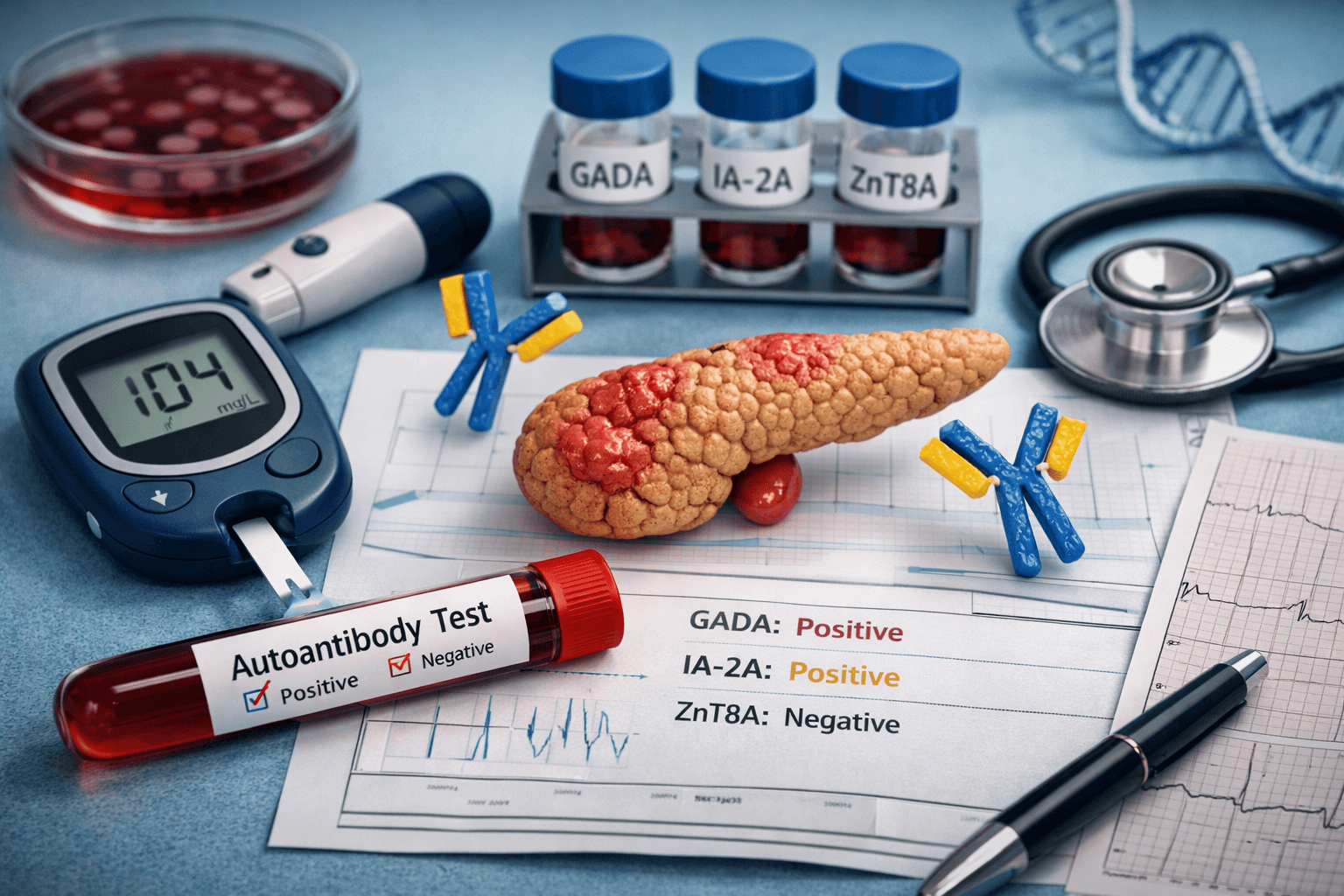
Type 1 diabetes doesn’t have to be a surprise. Thanks to type 1 diabetes autoantibody screening, clinicians can now identify individuals at high risk before symptoms even appear. This early detection opens doors for proactive monitoring, patient education, and potentially delaying or preventing full-blown disease. But who should be screened? …
Read More »
 Diabetes In Control. A free weekly diabetes newsletter for Medical Professionals. News and information for Medical Professionals.