Jul 6, 2026
Articles, Diabetes, Diet & Nutrition, Mental Health, Obesity, Obesity, Type 2 Diabetes, Type 2 Diabetes
1,935 views
For many people living with binge eating disorder and type 2 diabetes, managing blood sugar isn’t just about counting carbohydrates or losing weight. Emotional eating, loss of control around food, and feelings of guilt can quietly interfere with diabetes care, even when someone is taking the right medications. Because of …
Read More »
Jun 23, 2026
Articles, Diabetes, Obesity, Surgery, Therapies, Type 2 Diabetes, Type 2 Diabetes
3,228 views
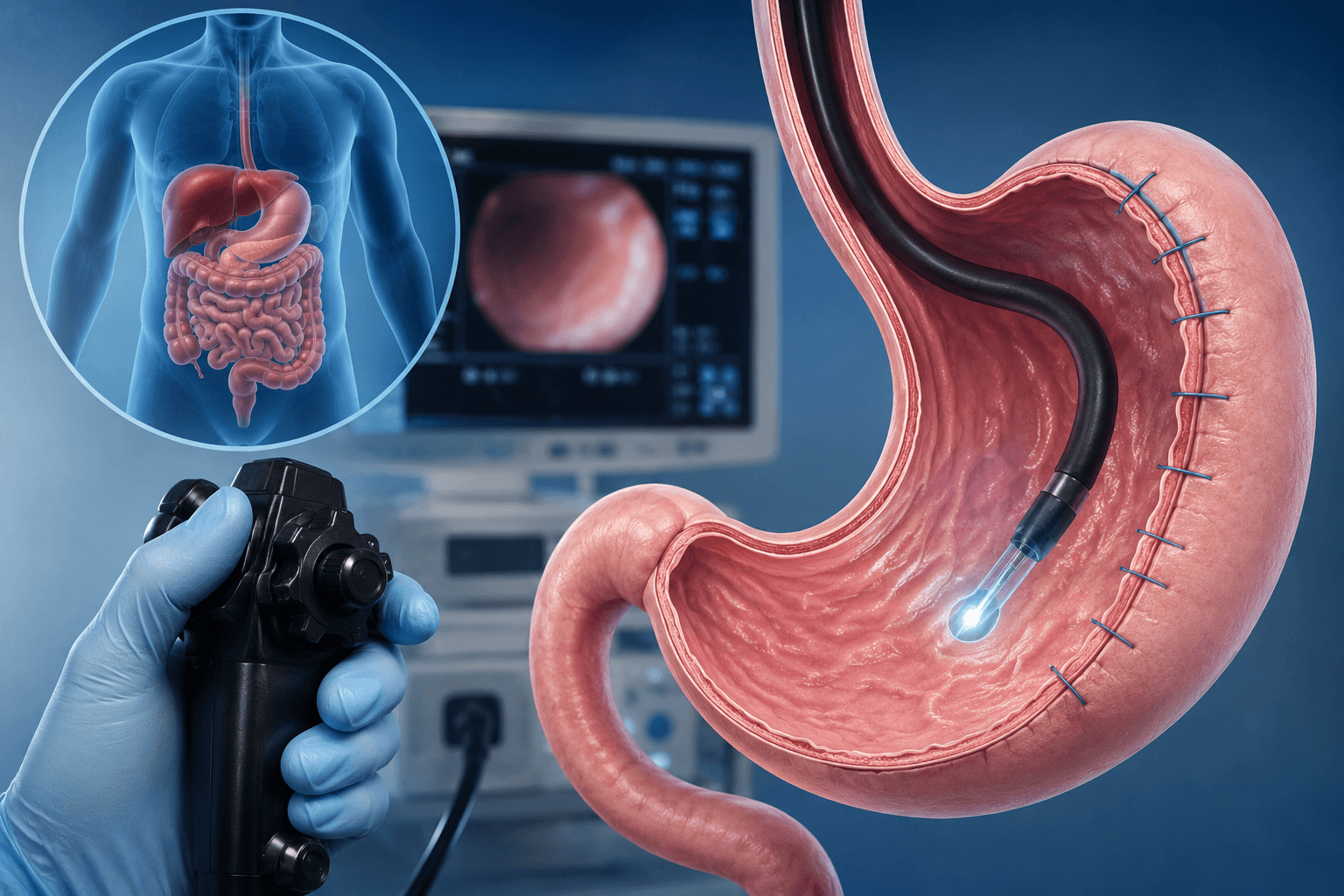
For many people living with type 2 diabetes, treatment eventually reaches a frustrating crossroads. Despite multiple medications, including GLP-1 receptor agonists, SGLT2 inhibitors, and insulin, glycemic targets may remain difficult to achieve. Meanwhile, bariatric surgery can produce major metabolic benefits, but its invasiveness limits acceptance for many patients. This treatment …
Read More »
Jun 16, 2026
Articles, Diet and Nutrition, Exercise, Geriatric Medicine, GLP- 1 Agonist Therapy Center, GLP-1 Agonist Therapy Center, Obesity, Obesity
2,360 views
The rise of highly effective GLP-1 receptor agonists and dual incretin therapies has transformed obesity treatment. Medications such as semaglutide (Wegovy, Ozempic) and tirzepatide (Zepbound, Mounjaro) are helping patients achieve levels of weight loss that were previously difficult to attain without bariatric surgery. However, as clinicians celebrate these advances, a …
Read More »
May 13, 2026
Articles, Blood Glucose Control, Blood Glucose Control, Diabetes, GLP- 1 Agonist Therapy Center, GLP-1 Agonist Therapy Center, Obesity, Obesity, Type 2 Diabetes, Type 2 Diabetes
3,113 views
Everything seems to be working perfectly until it suddenly isn’t. A patient is losing weight steadily, HbA1c levels are improving, and confidence is high during every follow-up visit. Then progress slows. The scale barely changes. Blood sugar readings stop improving. Patients start asking whether the medication has stopped working, while …
Read More »
May 13, 2026
Articles, Diabetes, Diet & Nutrition, Exercise, GLP- 1 Agonist Therapy Center, GLP-1 Agonist Therapy Center, Obesity, Obesity, Therapies, Type 2 Diabetes, Type 2 Diabetes
1,554 views
Losing 30 pounds may sound like an undeniable success story. However, what if part of that weight loss comes from muscle instead of fat? As more patients use GLP-1 medications such as semaglutide and tirzepatide, clinicians are starting to ask an important question: are these drugs quietly contributing to the …
Read More »
May 12, 2026
Articles, Diabetes, GLP- 1 Agonist Therapy Center, GLP-1 Agonist Therapy Center, Obesity, Obesity, Practice Management, Type 2 Diabetes, Type 2 Diabetes
1,697 views
A patient starts semaglutide through a telehealth platform, receives nutrition advice from a wellness clinic, and later visits a primary care physician for worsening gastrointestinal symptoms. None of the providers can see the full treatment picture. Situations like this are becoming increasingly common as GLP-1 medications move across multiple corners …
Read More »
May 12, 2026
Articles, Diabetes, GLP- 1 Agonist Therapy Center, GLP-1 Agonist Therapy Center, Obesity, Therapies, Type 2 Diabetes, Type 2 Diabetes
1,261 views
A patient loses 30 pounds, lowers their A1C, and improves their blood pressure within months of starting a GLP-1 medication. Stories like these are hard to ignore, and they have helped fuel growing enthusiasm around drugs like Ozempic, Wegovy, and Mounjaro. Yet as prescriptions continue to expand beyond high-risk diabetes …
Read More »
Apr 8, 2026
Articles, Diabetes, GLP- 1 Agonist Therapy Center, GLP-1 Agonist Therapy Center, Therapies, Type 2 Diabetes, Type 2 Diabetes
1,482 views
The rise of newer incretin-based therapies is changing how clinicians think about diabetes care. But are GLP-1 receptor agonists already being challenged by this next wave of incretin therapy? While these medications have transformed treatment in recent years, newer multi-agonist therapies are gaining attention. As a result, healthcare providers are …
Read More »
Apr 6, 2026
Articles, Diabetes, GLP- 1 Agonist Therapy Center, GLP-1 Agonist Therapy Center, Obesity, Obesity, Type 2 Diabetes, Type 2 Diabetes
1,718 views
GLP-1 dose escalation is quickly becoming a central topic in diabetes care, especially as higher dosing strategies gain traction. But are we truly entering a high-dose era, or simply refining how we use these powerful agents? As clinicians face patients who plateau on standard regimens, the question becomes not just …
Read More »
Mar 16, 2026
Articles, Diabetes, GLP- 1 Agonist Therapy Center, GLP-1 Agonist Therapy Center, Obesity
1,446 views
Many patients describe a surprising shift when starting GLP-1 therapies: cravings feel quieter, and the constant pull toward food seems to fade. This experience, often called “food noise,” reflects deeper biological changes driven by GLP-1–based appetite signaling in the body. But what exactly is happening in the brain, and how …
Read More »
 Diabetes In Control. A free weekly diabetes newsletter for Medical Professionals. News and information for Medical Professionals.