Jul 14, 2026
Articles, Blood Glucose Control, Blood Glucose Control, Diabetes, Prediabetes, Type 2 Diabetes, Type 2 Diabetes
1,263 views
Diabetes often develops silently for years before blood sugar levels become high enough for a diagnosis. What if tiny biological packages circulating in the bloodstream could reveal those hidden changes long before symptoms appear? Researchers are increasingly studying how exosomes may serve as biomarkers for diabetes because these microscopic messengers …
Read More »
Jul 13, 2026
Articles, Blood Glucose Control, Blood Glucose Control, Diabetes, Prediabetes, Prediabetics, Prevention, Type 2 Diabetes, Type 2 Diabetes
944 views
Diabetes is often diagnosed only after blood sugar levels have already risen above normal. However, what if the earliest warning signs appeared years before glucose levels changed? That question is driving exciting research into metabolomics, a rapidly growing field that analyzes tiny molecules produced during normal metabolism. Instead of focusing …
Read More »
Jul 2, 2026
Articles, Devices, Diabetes, Prediabetes, Prevention, Type 2 Diabetes, Type 2 Diabetes
1,022 views
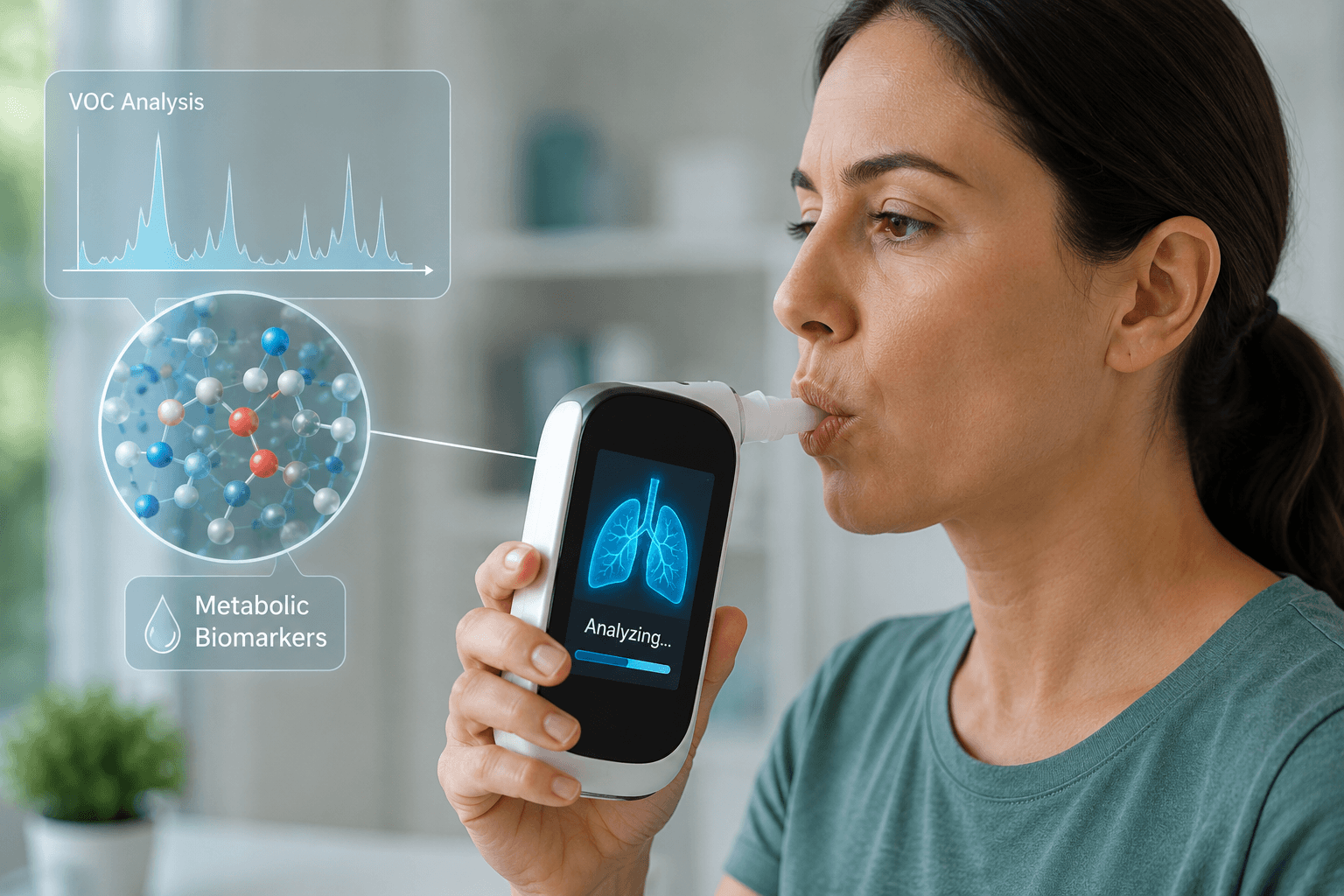
Imagine screening for diabetes as easily as breathing into a handheld device. That idea is rapidly moving from research laboratories toward clinical reality. Scientists are developing breath tests for diabetes that analyze tiny molecules in exhaled air to identify early metabolic changes long before traditional symptoms develop. Although blood glucose …
Read More »
Jun 30, 2026
Articles, Blood Glucose Control, Blood Glucose Control, Diabetes, Diet & Nutrition, Exercise, Physical Activity, Prevention, Type 2 Diabetes, Type 2 Diabetes
1,313 views
For decades, A1C has served as the gold standard for assessing long-term glucose control in people with diabetes. However, it tells only part of the story. Researchers are now exploring whether metabolic flexibility could become an important biomarker in diabetes, offering a deeper understanding of metabolic health than A1C alone. …
Read More »
Jun 25, 2026
Articles, Diabetes, Gestational Diabetes, Prevention, Women's Health
1,813 views
Postpartum screening after gestational diabetes is one of the most important yet overlooked steps in preventing future type 2 diabetes. Although blood glucose levels often return to normal after delivery, the long-term metabolic risk does not disappear. In fact, up to half of individuals diagnosed with gestational diabetes mellitus (GDM) …
Read More »
Jun 24, 2026
Articles, Blood Glucose Control, Blood Glucose Control, Devices, Diabetes, Prevention
7,139 views
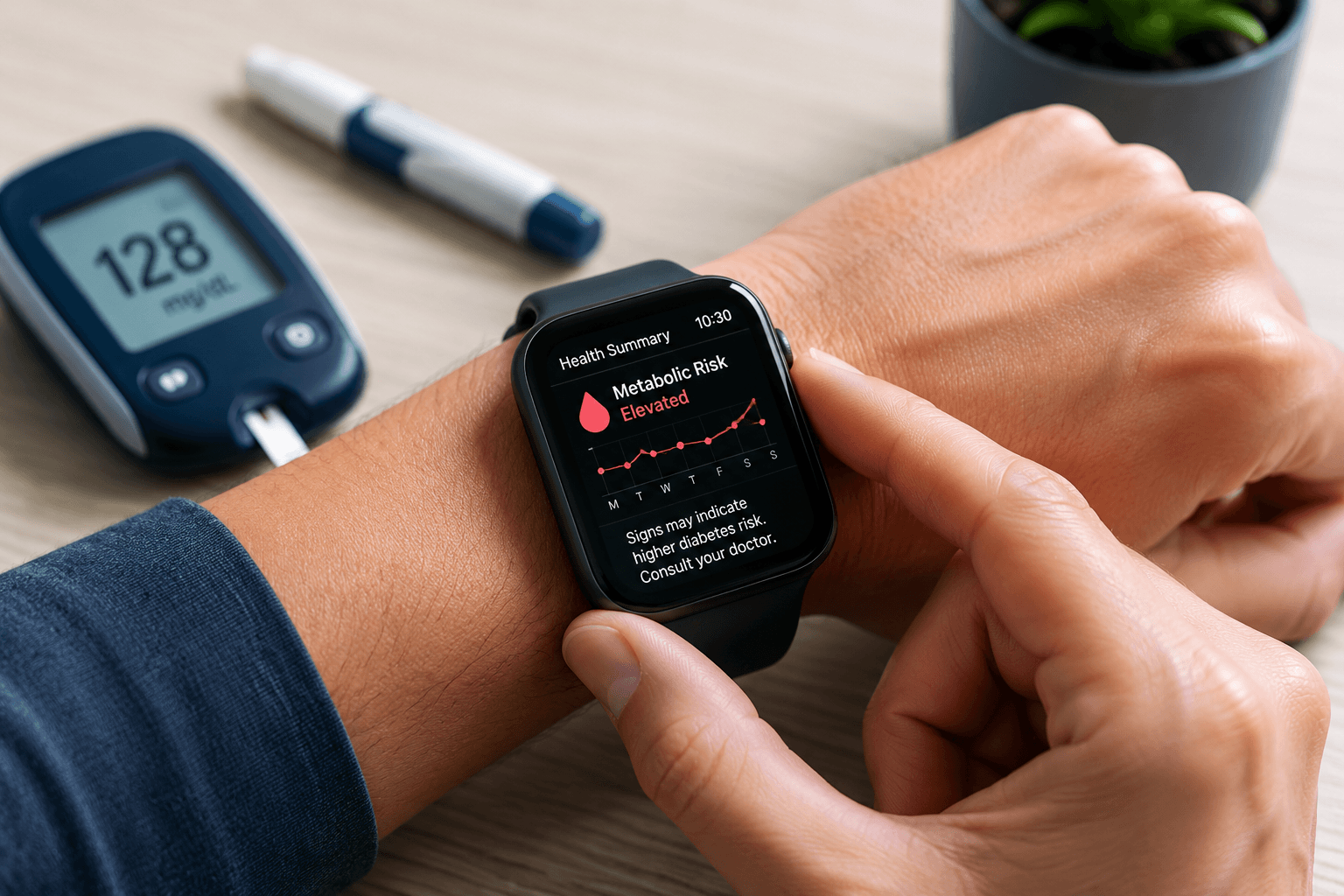
For decades, diagnosing diabetes has depended on blood tests performed during routine medical visits. However, what if your smartwatch could recognize early warning signs before glucose levels become high enough for a formal diagnosis? Researchers are now exploring wearable technologies for diabetes screening that continuously analyze physiologic data collected throughout …
Read More »
Jun 9, 2026
Articles, Dermatology, Diabetes, Prediabetes, Prediabetics, Prevention, Type 2 Diabetes, Type 2 Diabetes
2,934 views
The skin is often described as a window into overall health, and in patients with diabetes or prediabetes, it may provide some of the earliest visible signs of underlying metabolic dysfunction. While laboratory testing remains the cornerstone of diabetes diagnosis, clinicians who recognize key skin manifestations of diabetes can identify …
Read More »
May 20, 2026
Articles, Blood Glucose Control, Blood Glucose Control, Devices, Diabetes, Prediabetes, Prediabetics, Prevention
1,460 views
Prediabetes has traditionally been diagnosed during annual physical exams through fasting glucose tests or A1C measurements. However, new diabetes prevention tools and wearable technologies are rapidly changing that model. Today, wearable devices, continuous glucose monitors (CGMs), and predictive metabolic tracking tools are giving people real-time insight into their glucose patterns …
Read More »
May 14, 2026
Articles, Blood Glucose Control, Blood Glucose Control, Clinical Gems, Diabetes, Prediabetes, Prevention, Type 2 Diabetes, Type 2 Diabetes
1,261 views
Diabetes screening has improved over the last two decades, yet many patients still fall through the cracks. While clinicians often rely on traditional risk models that focus on obesity, age, family history, and sedentary lifestyle, not every patient with diabetes fits that familiar picture. As a result, many diabetes cases …
Read More »
Feb 16, 2026
Articles, Diabetes, Obesity, Obesity, Prediabetics, Prevention, Type 2 Diabetes, Type 2 Diabetes
2,144 views
For years, GLP-1 receptor agonists have been associated with older adults who already have type 2 diabetes or established cardiovascular disease. However, metabolic dysfunction does not suddenly appear at age 60. In fact, obesity, insulin resistance, and prediabetes often begin decades earlier. That is why conversations around GLP-1 therapy in …
Read More »
 Diabetes In Control. A free weekly diabetes newsletter for Medical Professionals. News and information for Medical Professionals.