2 weeks ago
Articles, Bone & Joint, Diabetes, Neuropathy & Pain
2,099 views
Diabetes complications are often discussed in terms of the heart, kidneys, eyes, and nerves. However, diabetes can also affect joints and connective tissue. Adhesive capsulitis, or frozen shoulder, is one diabetes-related complication that deserves more attention. It can begin with ordinary shoulder pain and gradually make simple movements surprisingly difficult. …
Read More »
4 weeks ago
Articles, Blood Glucose Control, Blood Glucose Control, Diet & Nutrition, Type 2 Diabetes, Type 2 Diabetes
951 views
Medical nutrition therapy for diabetes is often discussed in terms of A1C, glucose levels, and weight. However, could personalized nutrition also influence inflammation and other aspects of metabolic health? A recent randomized controlled trial offers an intriguing reason to ask that question. Researchers found that individualized medical nutrition therapy with …
Read More »
Aug 28, 2026
Articles, Blood Glucose Control, Blood Glucose Control, Cardiology, Type 2 Diabetes, Type 2 Diabetes
3,760 views
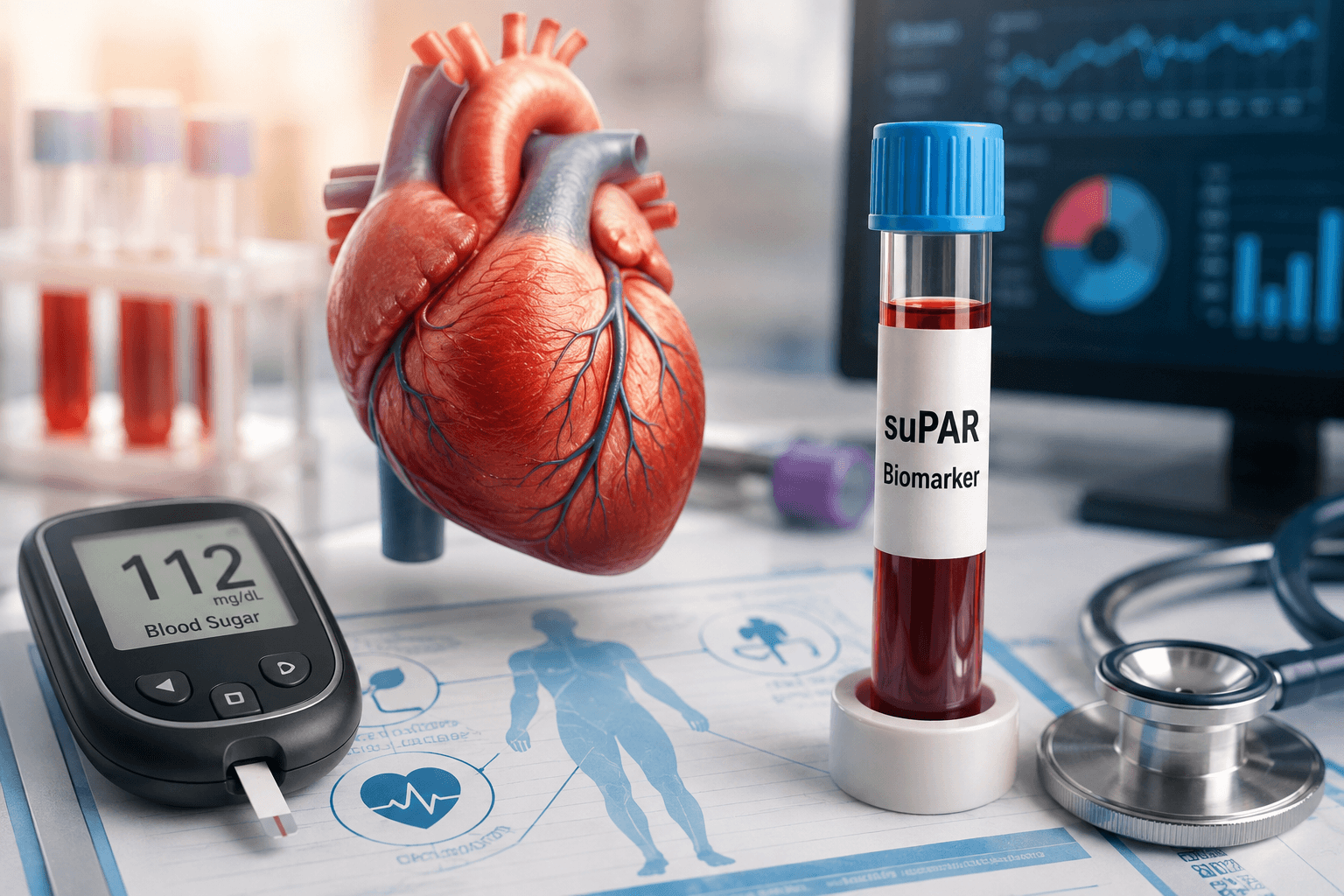
People with type 2 diabetes can face substantial cardiovascular risk even when clinicians address familiar risk factors such as LDL cholesterol, blood pressure, smoking, and blood glucose. Could another blood marker help reveal some of the risk that remains? Emerging research on the suPAR biomarker in diabetes suggests it may …
Read More »
Aug 5, 2026
Articles, Blood Glucose Control, Blood Glucose Control, Diabetes, Therapies, Type 2 Diabetes, Type 2 Diabetes
1,007 views
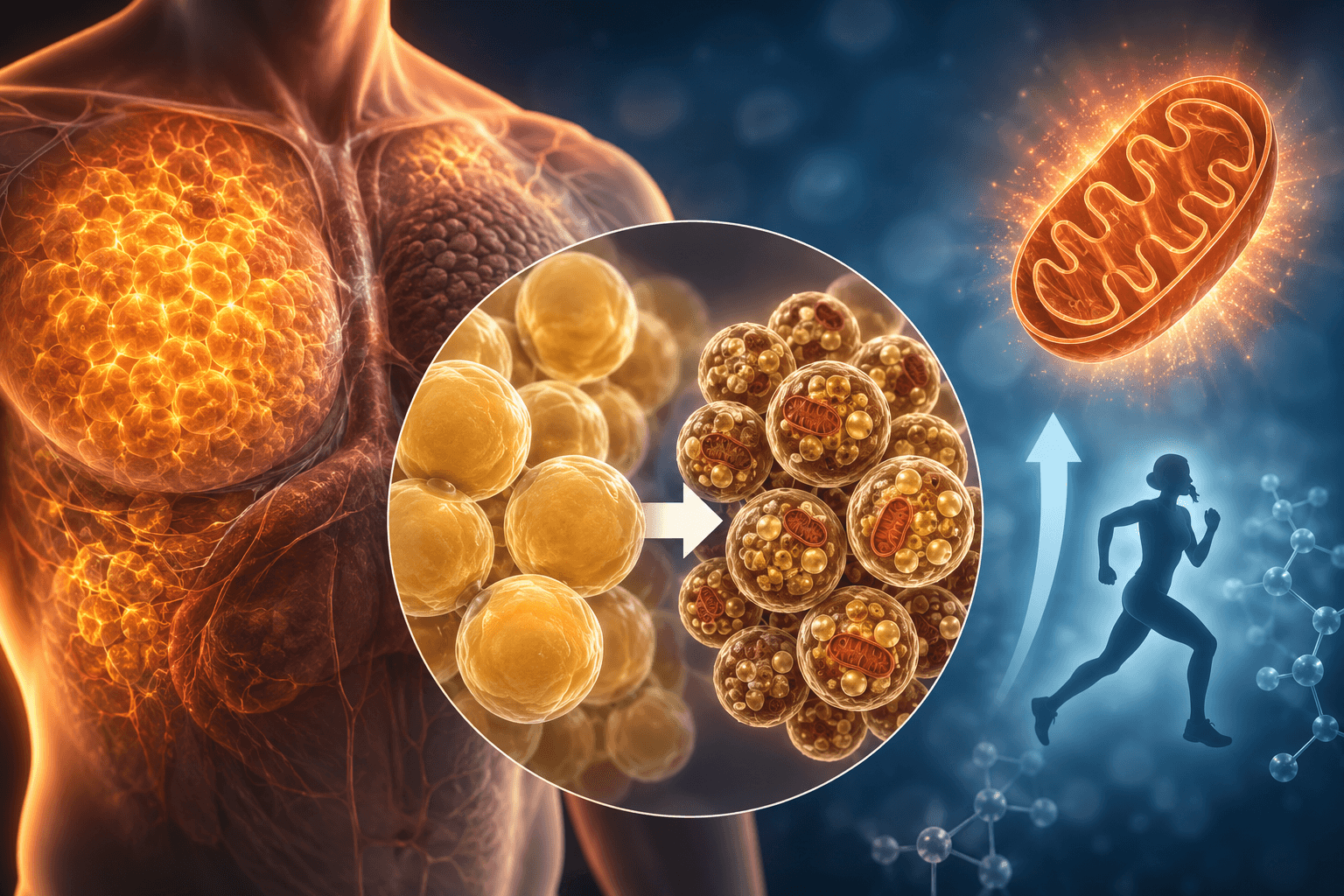
For decades, diabetes research has focused on protecting insulin-producing beta cells or replacing those that have been lost. However, scientists are now exploring a completely different strategy. Instead of repairing the pancreas, researchers are investigating whether the body’s own fat can become a powerful tool for improving glucose control. This …
Read More »
Aug 4, 2026
Articles, Blood Glucose Control, Blood Glucose Control, Diabetes, Prevention, Type 1 Diabetes, Type 1 Diabetes, Type 2 Diabetes, Type 2 Diabetes
2,087 views
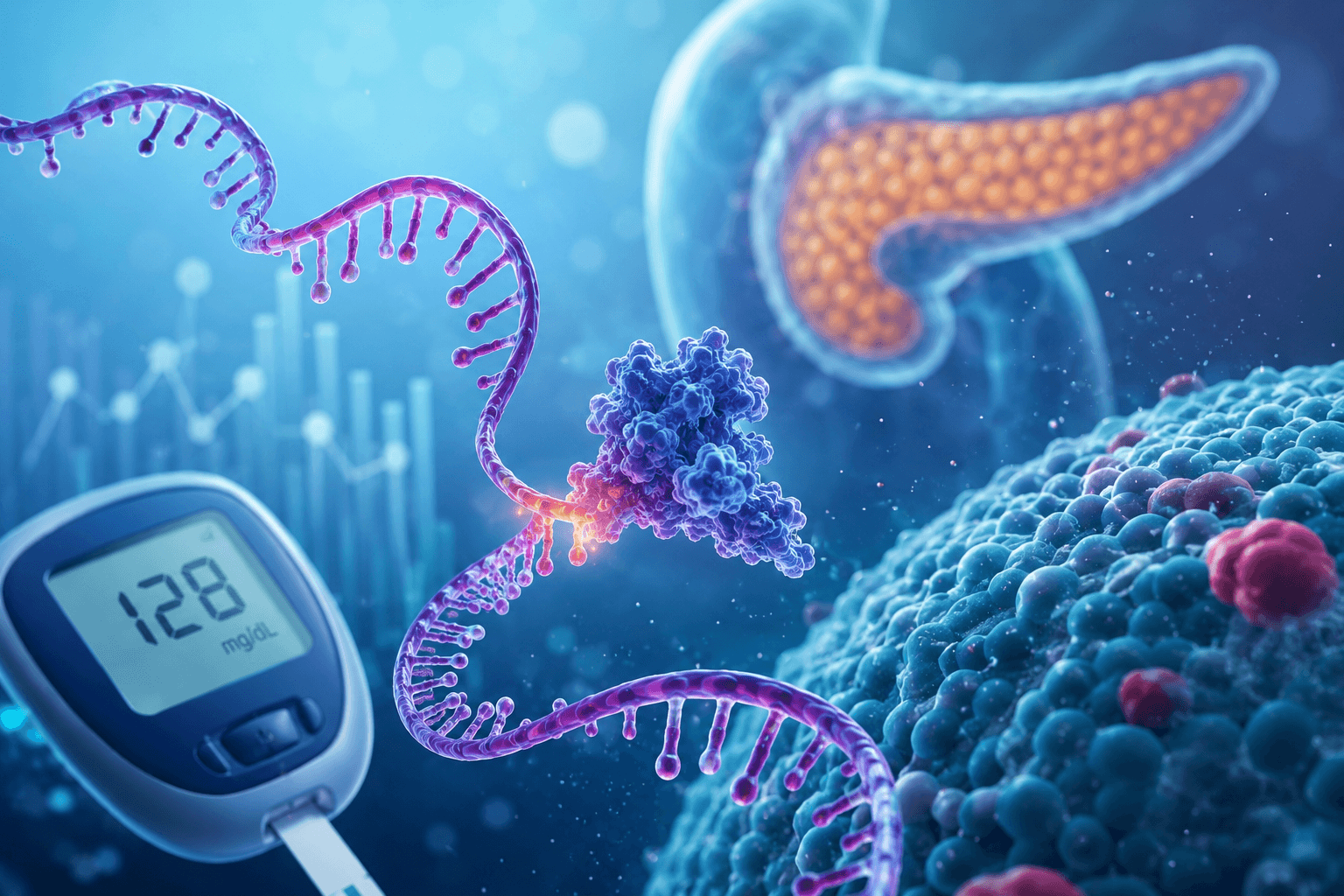
Diabetes research is moving beyond blood sugar measurements and insulin therapy into an exciting new frontier. One of the most promising areas involves microRNAs, tiny RNA molecules that quietly regulate hundreds of genes throughout the body. Although they are microscopic, their influence on insulin production, inflammation, and blood vessel health …
Read More »
Jul 29, 2026
Articles, Diabetes, Nephrology, Neuropathy & Pain, Type 2 Diabetes, Type 2 Diabetes
1,557 views
Early detection has always been one of the biggest challenges in diabetes care. What if doctors could identify patients at high risk for diabetic neuropathy or kidney disease years before symptoms developed? That possibility is driving exciting new research into IgG glycosylation in diabetes, an emerging area that examines subtle …
Read More »
Jul 27, 2026
Articles, Blood Glucose Control, Blood Glucose Control, Cardiology, Diabetes, Prevention, Type 2 Diabetes, Type 2 Diabetes
1,017 views
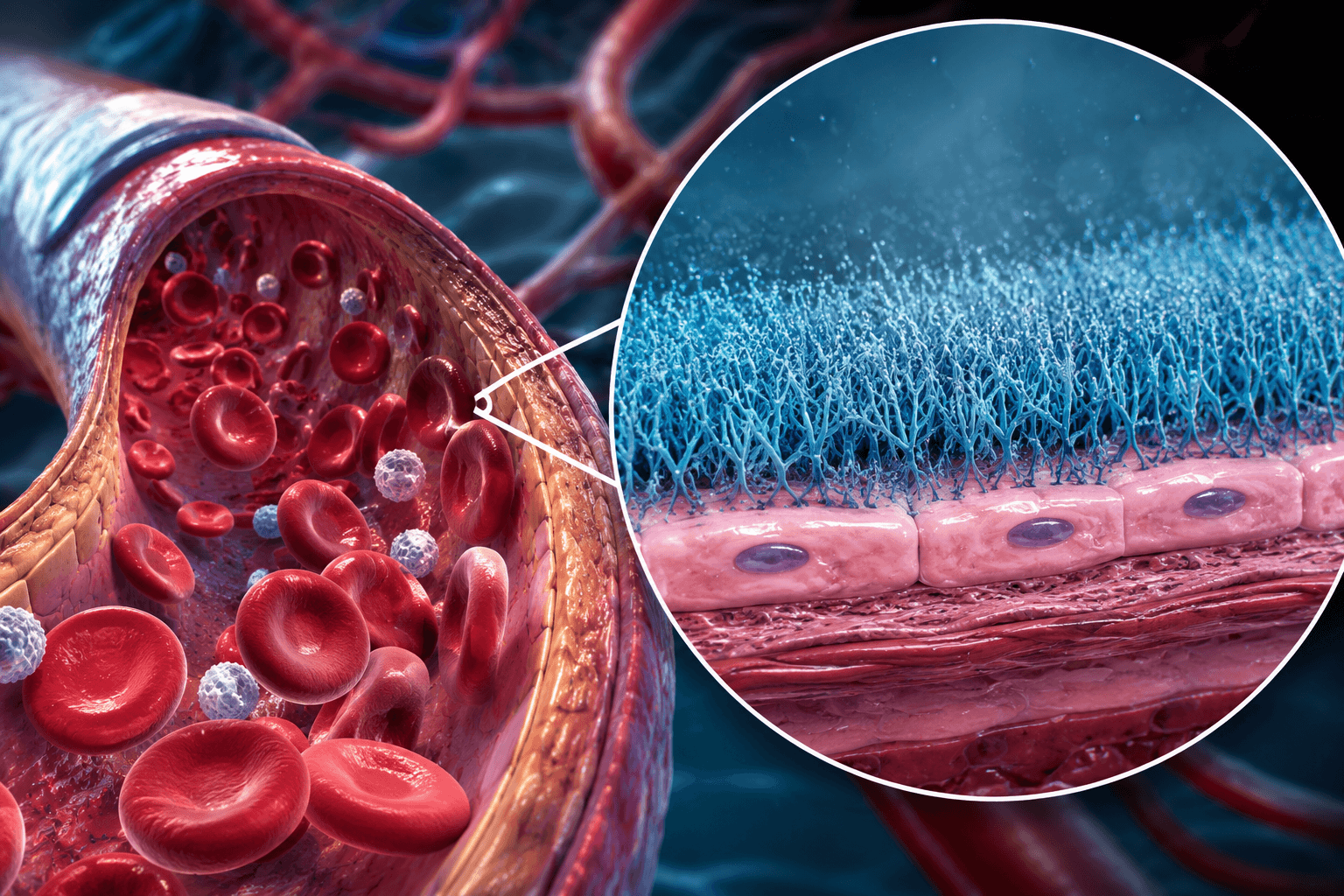
Most people think diabetes-related blood vessel damage begins only after years of high blood sugar. However, scientists are uncovering evidence that injury may start much earlier, in a structure so thin it cannot be seen during a routine medical exam. This microscopic layer, known as the endothelial glycocalyx, acts as …
Read More »
Jul 16, 2026
Articles, Blood Glucose Control, Blood Glucose Control, Therapies, Type 2 Diabetes, Type 2 Diabetes
1,815 views
Type 2 diabetes has traditionally been viewed as a disease driven by insulin resistance and declining pancreatic beta-cell function. However, researchers are now looking much deeper into the cell itself. Increasing evidence suggests that mitochondrial dysfunction in diabetes may be a key factor linking impaired energy production, chronic inflammation, oxidative …
Read More »
Jul 8, 2026
Articles, Diabetes, Nephrology, SGLT-2 Therapy Center, Therapies, Type 2 Diabetes, Type 2 Diabetes
1,951 views
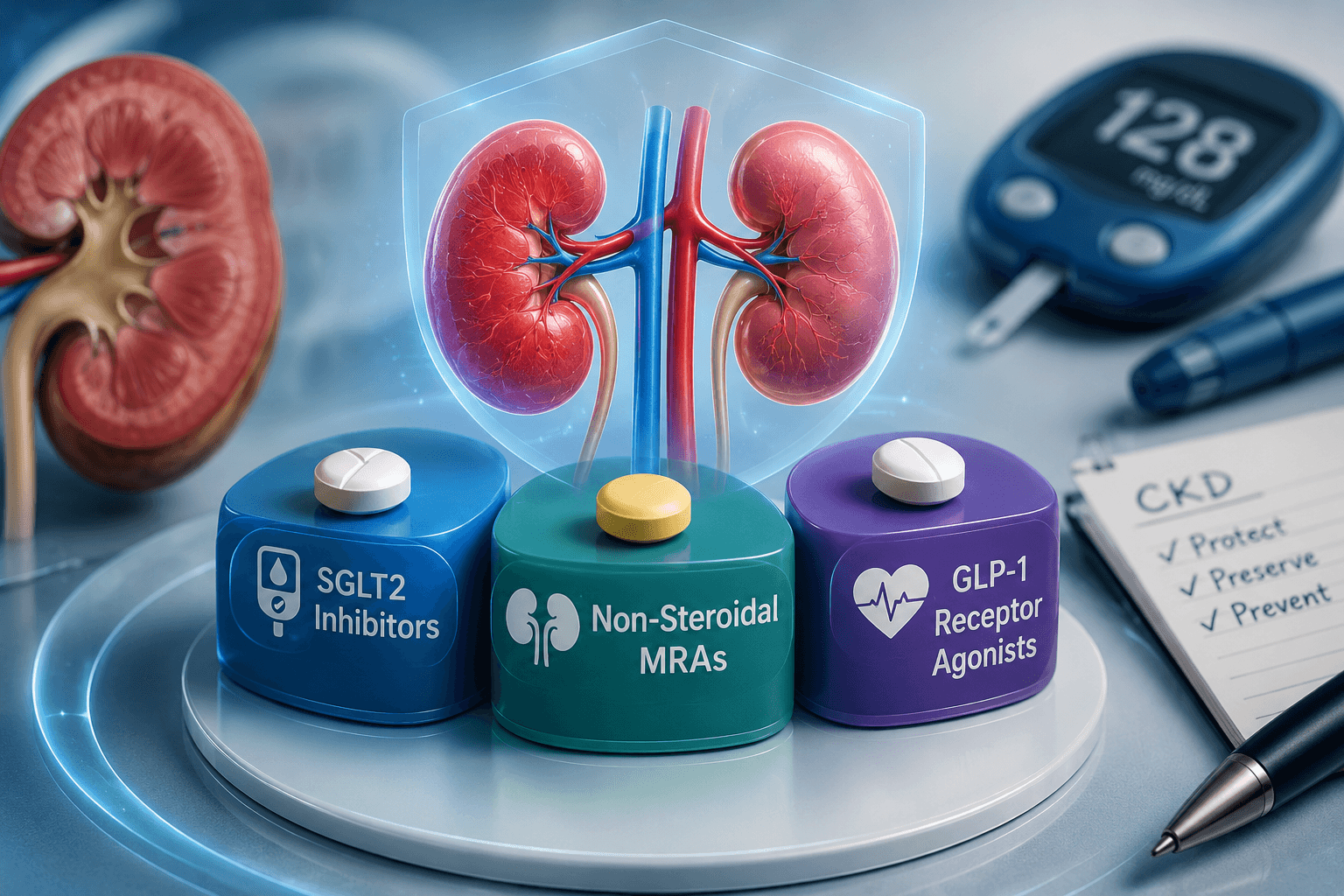
For years, the treatment of diabetic kidney disease focused primarily on glycemic control and blood pressure management. More recently, SGLT2 inhibitors and GLP-1 receptor agonists have transformed the landscape by reducing kidney disease progression and cardiovascular events. However, another therapeutic class is rapidly gaining recognition. Non-steroidal mineralocorticoid receptor antagonists (MRAs) …
Read More »
Jun 19, 2026
Articles, Conditions, Diabetes, Geriatric Medicine, Type 2 Diabetes, Type 2 Diabetes
3,322 views
For decades, scientists have known that people with type 2 diabetes face a higher risk of heart disease, kidney disease, cognitive decline, and other age-related conditions. However, emerging research suggests these complications may be linked to something even more fundamental: accelerated biological aging in diabetes. In other words, diabetes may …
Read More »
 Diabetes In Control. A free weekly diabetes newsletter for Medical Professionals. News and information for Medical Professionals.