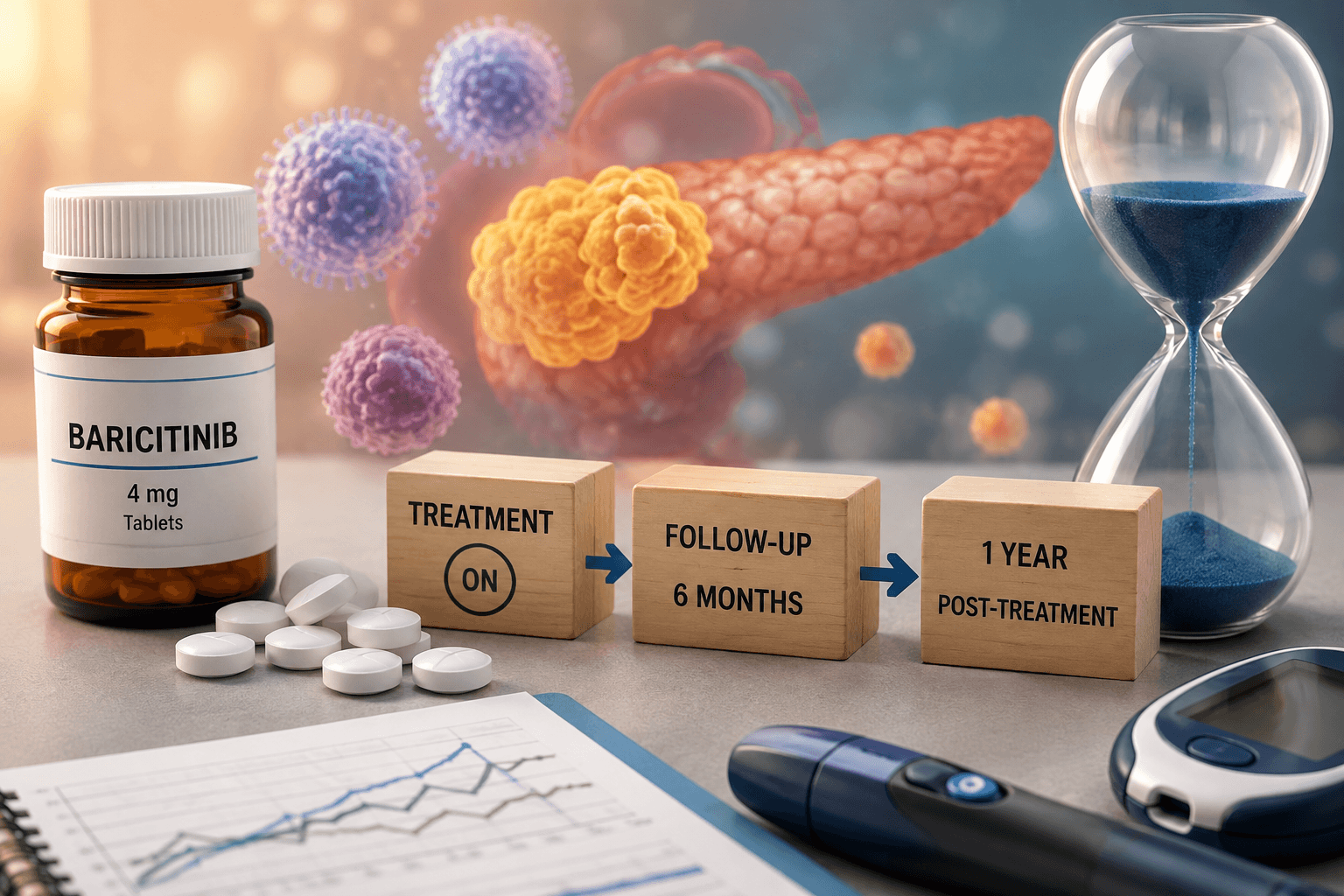
New follow-up research on baricitinib for type 1 diabetes addresses a crucial question: what happens after the drug is stopped? The original BANDIT trial showed that 48 weeks of oral baricitinib helped preserve beta-cell function in people with recently diagnosed type 1 diabetes. However, new follow-up research examines participants through …
Read More »Why Scientists Are Taking Another Look at the BCG Vaccine for Type 1 Diabetes
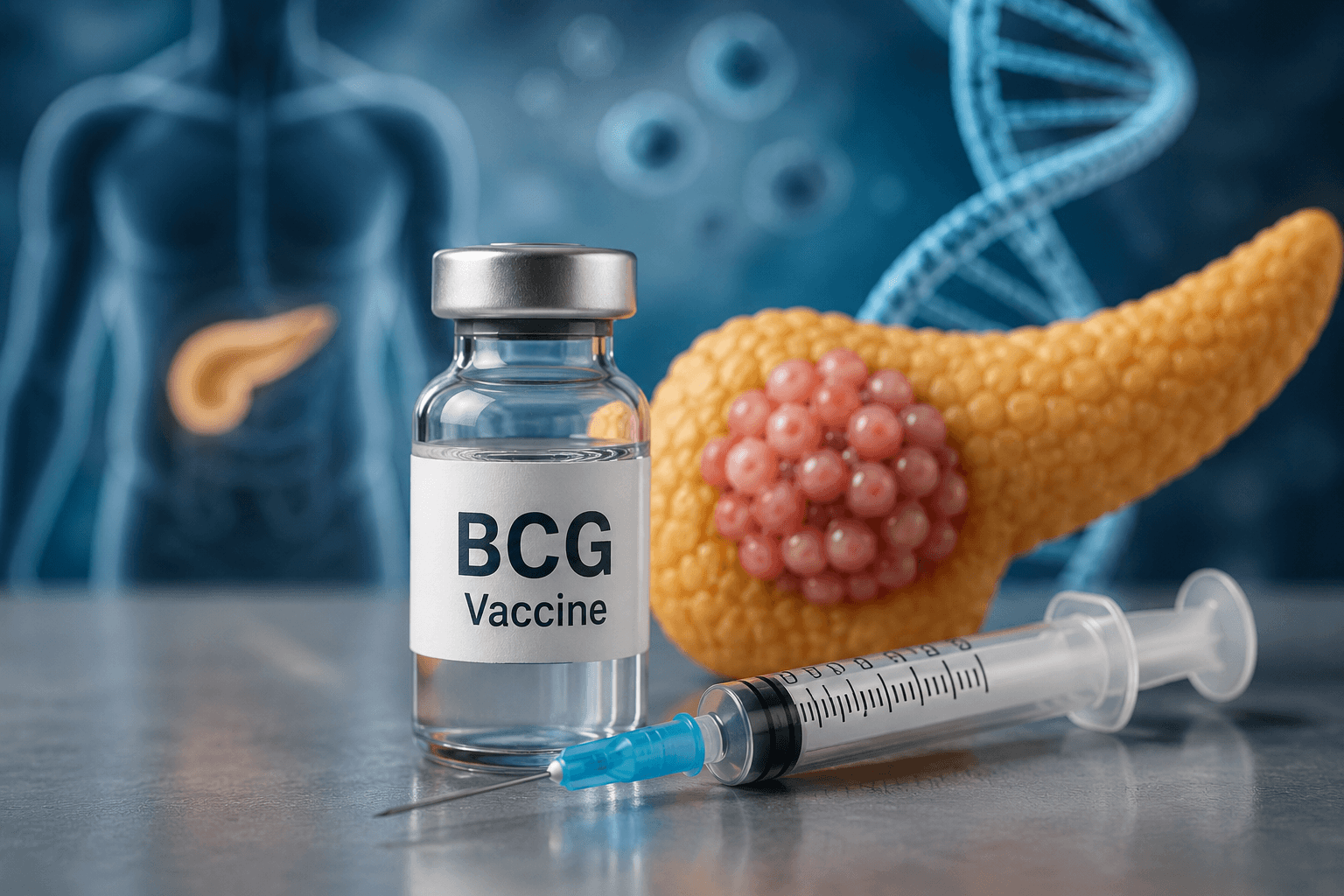
For more than 100 years, the Bacillus Calmette-Guérin (BCG) vaccine has been used worldwide to help prevent tuberculosis. However, researchers are now exploring another possible role for this familiar vaccine. Recent studies suggest that the BCG vaccine may play a role in treating type 1 diabetes by modifying the immune …
Read More »The First Disease-Modifying Treatment After a Type 1 Diabetes Diagnosis: Why Teplizumab Is Changing the Conversation
For decades, treatment after a type 1 diabetes diagnosis focused almost entirely on insulin replacement and blood glucose management. While advances in technology have improved care, clinicians have had few ways to address the autoimmune process driving beta-cell loss. That is beginning to change. With the FDA’s expansion of teplizumab-mzwv …
Read More »Delaying Type 1 Diabetes Progression: What Long-Term Data Mean for Screening and Intervention
Can a chronic condition like type 1 diabetes be slowed before it fully develops? Recent long-term studies suggest that preventing or delaying type 1 diabetes may be closer to reality than once believed. In fact, emerging immunotherapy data is changing how clinicians view early-stage disease and the opportunity to intervene …
Read More »
Diabetes In Control. A free weekly diabetes newsletter for Medical Professionals. News and information for Medical Professionals.