Heart disease remains the leading cause of illness and death among people with diabetes. However, one of the most concerning complications, diabetic cardiomyopathy, often develops quietly for years before symptoms emerge. During this silent phase, routine echocardiograms frequently show a normal ejection fraction, creating a false sense of reassurance. Fortunately, …
Read More »Could We Predict Diabetic Neuropathy Years Before Symptoms Begin?
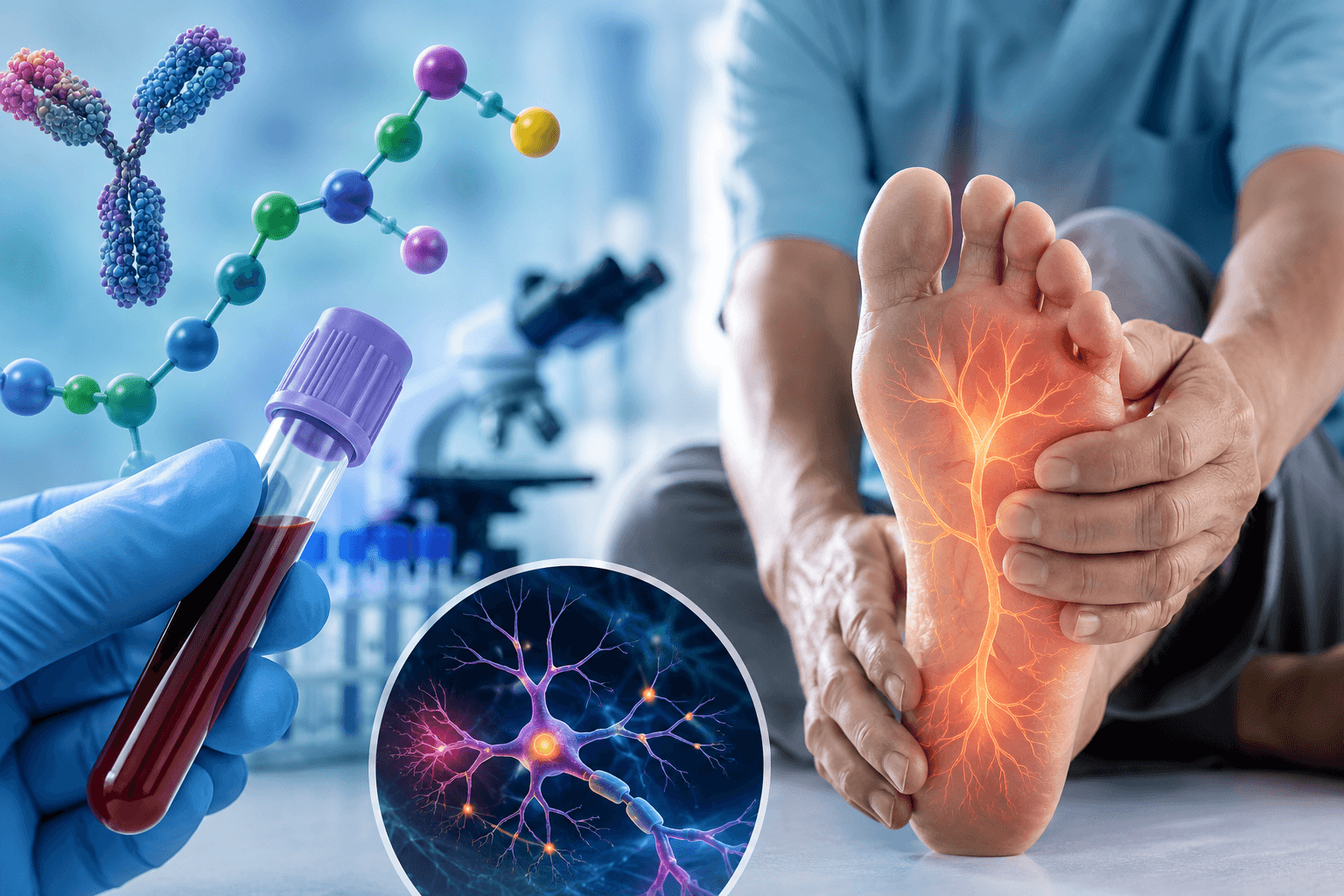
Early detection has always been one of the biggest challenges in diabetes care. What if doctors could identify patients at high risk for diabetic neuropathy or kidney disease years before symptoms developed? That possibility is driving exciting new research into IgG glycosylation in diabetes, an emerging area that examines subtle …
Read More »The Future of Type 1 Screening: Will Genetics Replace Autoantibodies?
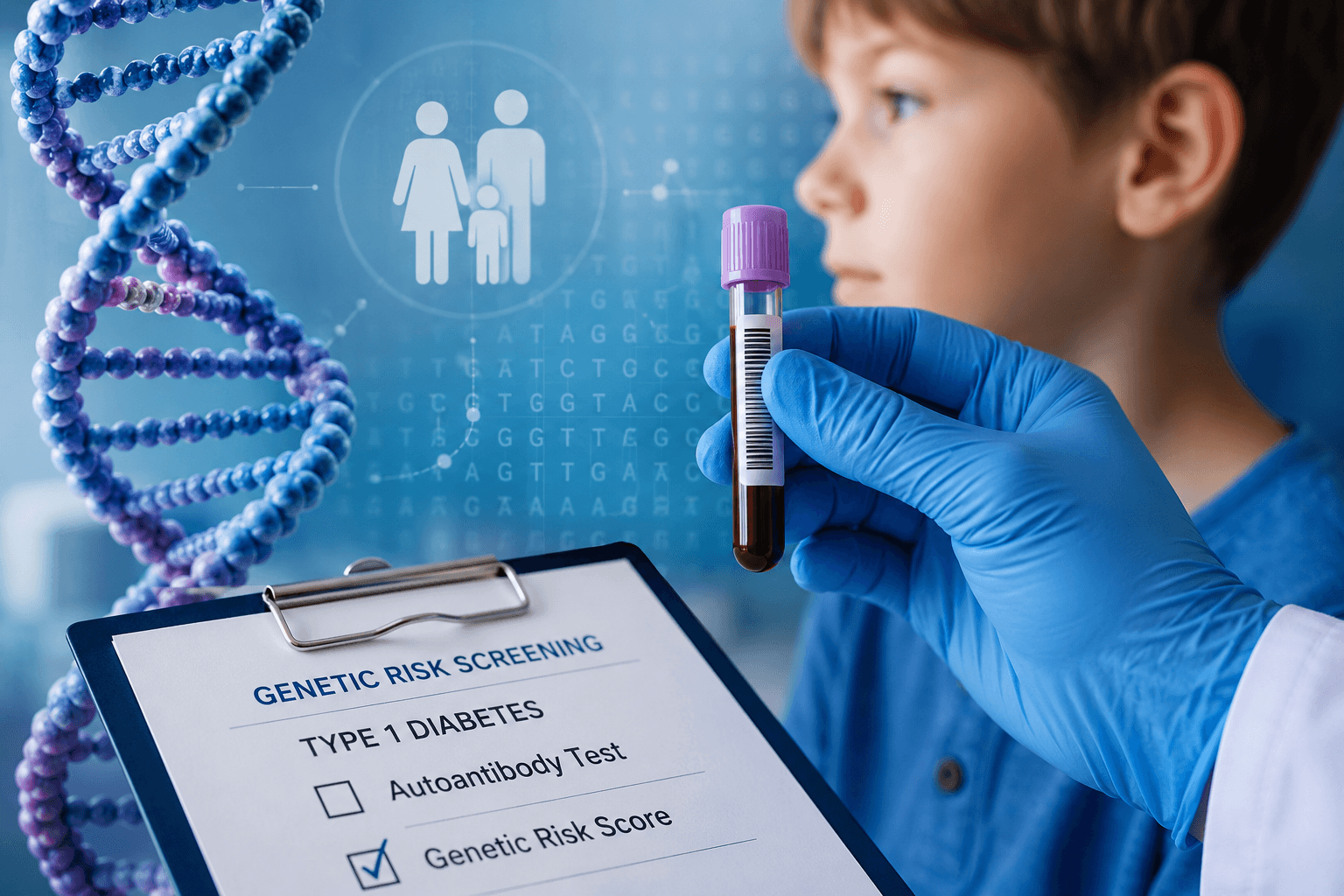
Population-based screening for type 1 diabetes is entering a new era. While autoantibody testing remains the gold standard for identifying individuals at high risk, researchers are increasingly investigating whether type 1 diabetes genetic screening could identify susceptible people even earlier. Advances in genomic science now make it possible to estimate …
Read More »The Diabetes Warning Sign Hiding in Routine Liver Tests
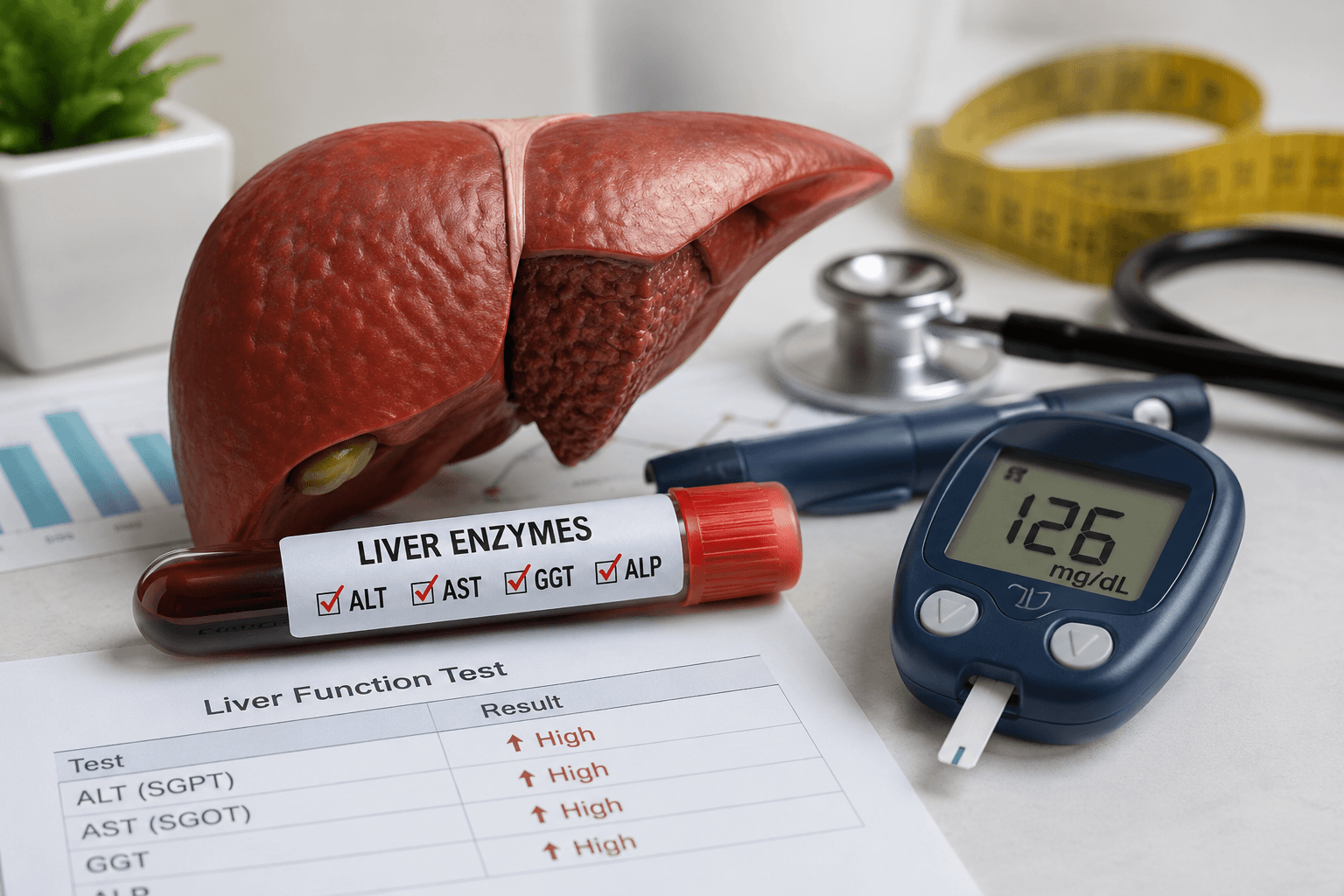
Many people think of liver function tests as a way to detect liver disease. However, researchers are discovering that routine liver enzymes may also reveal important clues about future metabolic health. Understanding liver enzymes diabetes risk is becoming increasingly important because these commonly ordered blood tests may help identify people …
Read More »Diabetic Retinopathy in 2026: AI Screening and Early Detection Updates
In 2026, diabetic retinopathy screening is entering a new era driven by artificial intelligence, tele-retinal imaging, and smarter integration into primary care workflows. Despite improved glucose monitoring and widespread use of CGM systems, diabetic retinopathy remains a leading cause of preventable blindness in adults with diabetes. So how can clinicians …
Read More »
Diabetes In Control. A free weekly diabetes newsletter for Medical Professionals. News and information for Medical Professionals.