Home / Tag Archives: diabetes safety

Tag Archives: diabetes safety

The Overnight Danger Many Clinicians Miss: Why Nighttime Hypoglycemia Still Matters

Sleeping patient with diabetes beside a continuous glucose monitor showing low blood sugar levels during the night, illustrating nocturnal hypoglycemia risk.

Many healthcare providers focus heavily on daytime glucose control, yet some of the most dangerous hypoglycemic episodes occur while patients are asleep. Despite major advances in insulin therapy and glucose monitoring, nocturnal hypoglycemia remains a significant clinical concern for people living with diabetes. Because symptoms often go unnoticed during sleep, …

Read More »

Extreme Heat and Diabetes: Why Clinicians Are Paying Closer Attention

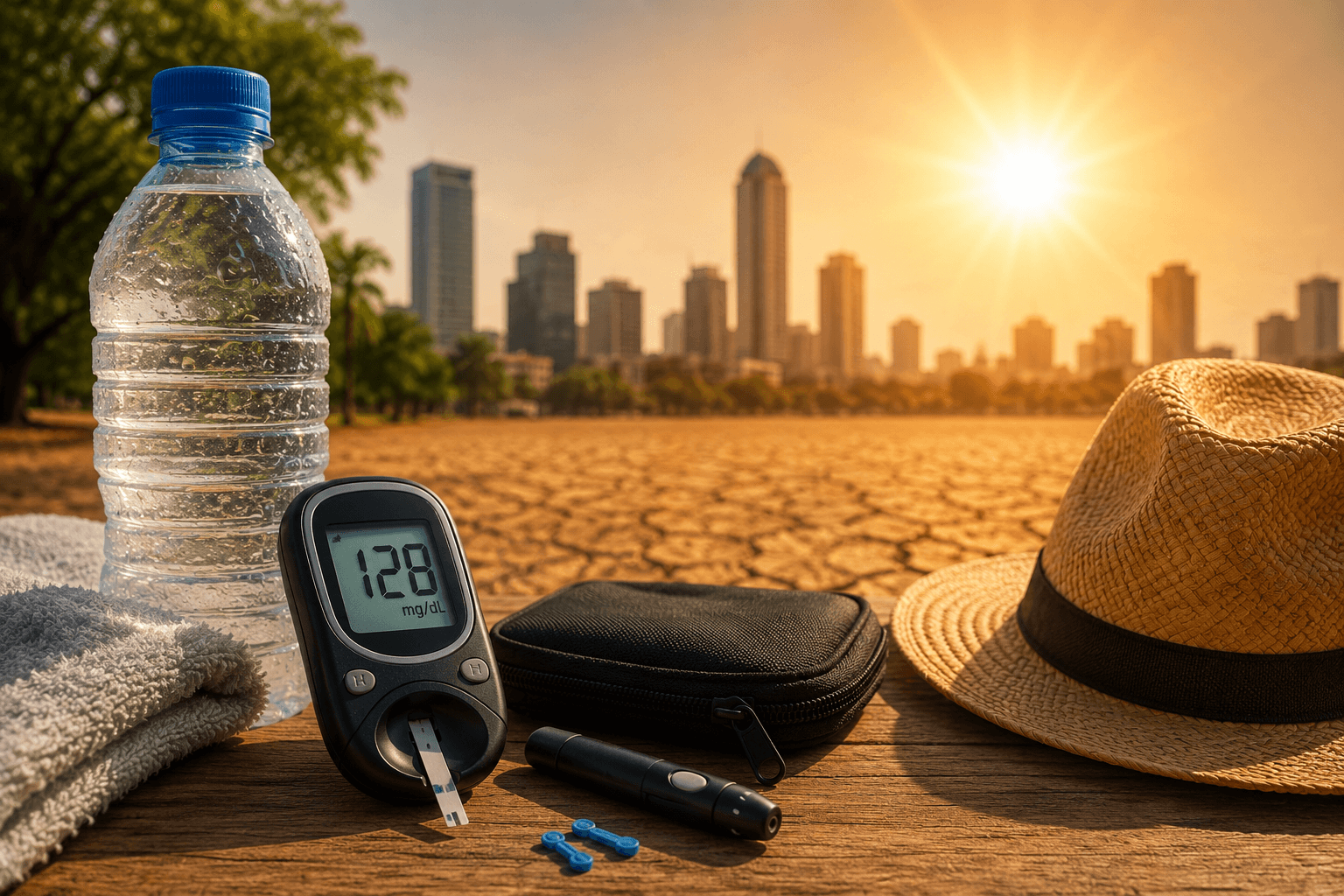
Diabetes supplies and water bottle exposed to extreme summer heat during a climate change-related heat wave

Extreme heat is no longer a rare seasonal inconvenience. Across the globe, heat waves are becoming longer, more frequent, and more dangerous. For people living with diabetes, rising global temperatures and more frequent heat waves can create serious health risks that many patients may not fully understand. As discussions about …

Read More »

Reassessing Hypoglycemia Risk in the Era of Modern Therapies

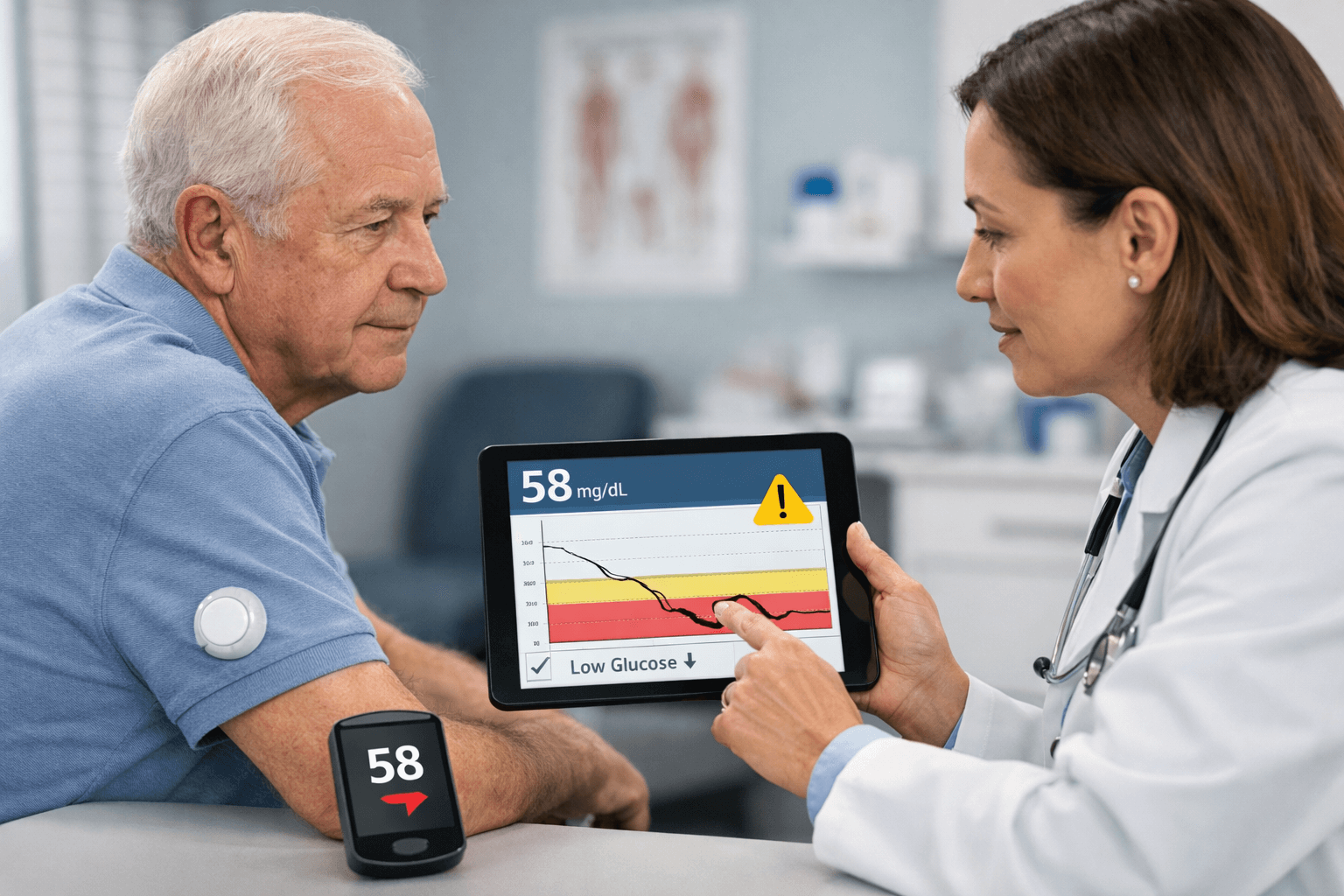
Physician reviewing continuous glucose monitor data with older adult patient showing low blood sugar alert during diabetes consultation

Managing the risk of hypoglycemia remains a central challenge in diabetes care, even as newer therapies lower the rate of severe events. Although GLP-1 receptor agonists and SGLT2 inhibitors have reshaped treatment strategies, insulin and sulfonylureas are still widely used, especially among older adults and patients with chronic kidney disease …

Read More »

GLP-1s and Pancreatic Cancer: Reassessing Long-Term Safety Signals

Physician reviewing abdominal CT scan highlighting pancreas with GLP-1 injection pen on desk during clinical consultation

Concerns about GLP-1 pancreatic cancer risk have circulated for more than a decade. When glucagon-like peptide-1 receptor agonists first entered the market, early post-marketing reports and small observational studies raised alarms about pancreatitis and possible malignancy. As a result, clinicians and patients questioned the long-term safety of agents such as …

Read More »