Jul 13, 2026
Articles, Blood Glucose Control, Blood Glucose Control, Diabetes, Prediabetes, Prediabetics, Prevention, Type 2 Diabetes, Type 2 Diabetes
1,245 views
Diabetes is often diagnosed only after blood sugar levels have already risen above normal. However, what if the earliest warning signs appeared years before glucose levels changed? That question is driving exciting research into metabolomics, a rapidly growing field that analyzes tiny molecules produced during normal metabolism. Instead of focusing …
Read More »
Jun 29, 2026
Articles, Pediatrics, Prevention, Type 1 Diabetes, Type 1 Diabetes
2,327 views
Population-based screening for type 1 diabetes is entering a new era. While autoantibody testing remains the gold standard for identifying individuals at high risk, researchers are increasingly investigating whether type 1 diabetes genetic screening could identify susceptible people even earlier. Advances in genomic science now make it possible to estimate …
Read More »
Jun 25, 2026
Articles, Blood Glucose Control, Blood Glucose Control, Diabetes, Gastroenterology, Prevention, Type 2 Diabetes, Type 2 Diabetes
2,680 views
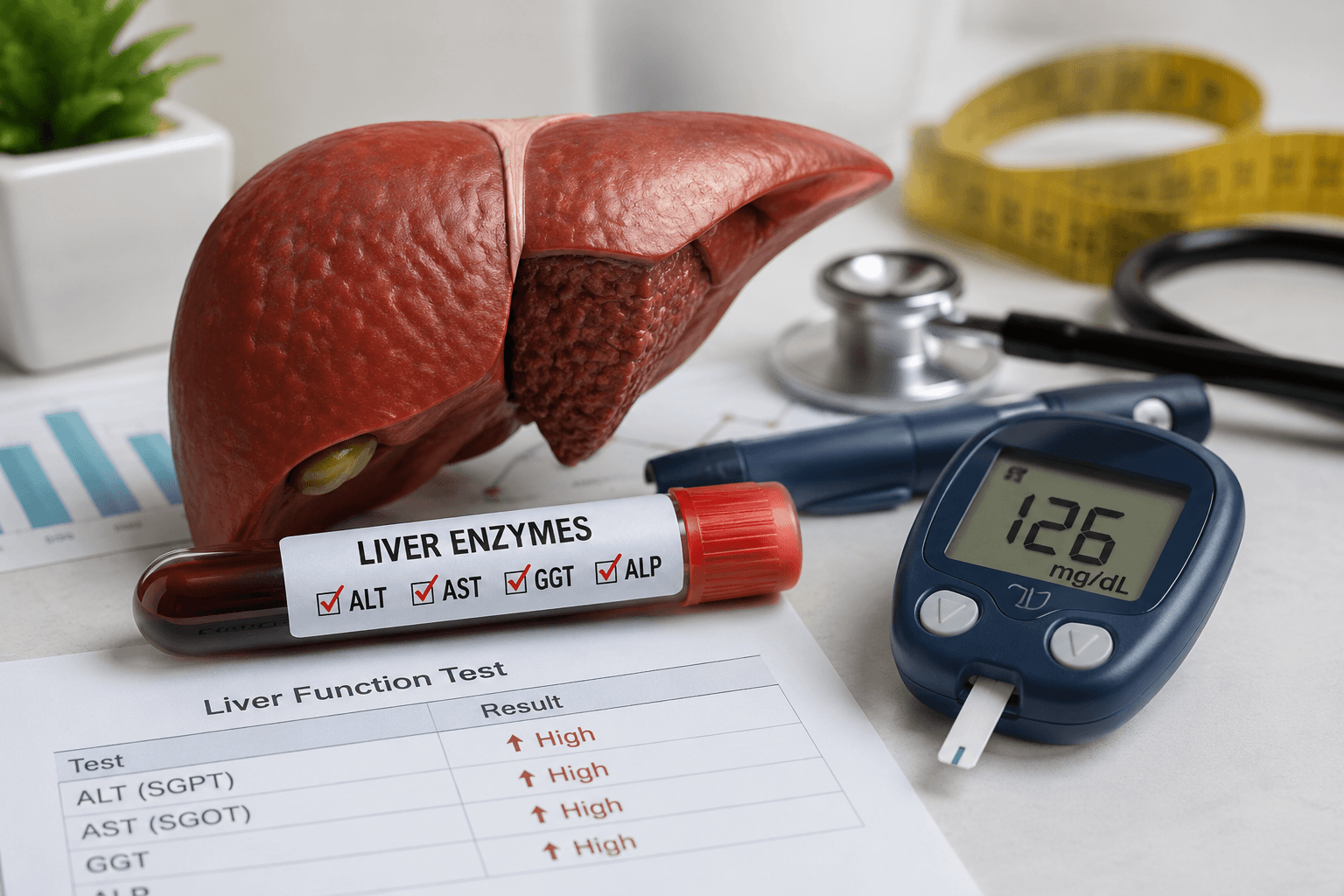
Many people think of liver function tests as a way to detect liver disease. However, researchers are discovering that routine liver enzymes may also reveal important clues about future metabolic health. Understanding liver enzymes diabetes risk is becoming increasingly important because these commonly ordered blood tests may help identify people …
Read More »
Jun 25, 2026
Articles, Diabetes, Gestational Diabetes, Prevention, Women's Health
2,447 views
Postpartum screening after gestational diabetes is one of the most important yet overlooked steps in preventing future type 2 diabetes. Although blood glucose levels often return to normal after delivery, the long-term metabolic risk does not disappear. In fact, up to half of individuals diagnosed with gestational diabetes mellitus (GDM) …
Read More »
Jun 24, 2026
Articles, Blood Glucose Control, Blood Glucose Control, Devices, Diabetes, Prevention
7,504 views
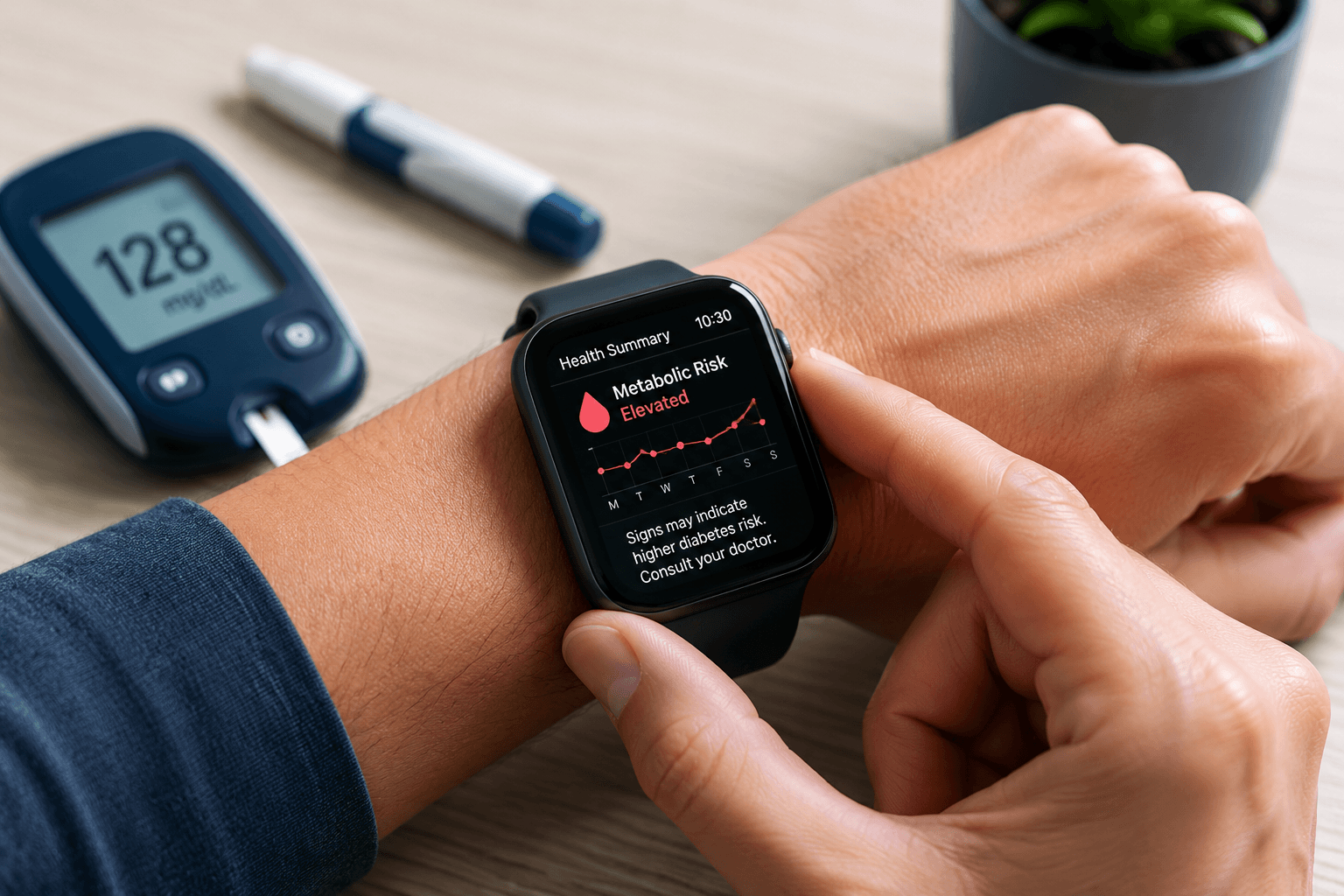
For decades, diagnosing diabetes has depended on blood tests performed during routine medical visits. However, what if your smartwatch could recognize early warning signs before glucose levels become high enough for a formal diagnosis? Researchers are now exploring wearable technologies for diabetes screening that continuously analyze physiologic data collected throughout …
Read More »
Jun 18, 2026
Articles, Diabetes, Pediatrics, Prevention, Type 1 Diabetes, Type 1 Diabetes
2,970 views
As population-based screening for type 1 diabetes (T1D) becomes more common, clinicians increasingly encounter positive islet autoantibody results in children and adults who have no symptoms. However, not all positive screening results carry the same clinical significance. A single positive autoantibody may indicate elevated risk, yet the specific antibody detected …
Read More »
Jun 2, 2026
Articles, Blood Glucose Control, Blood Glucose Control, Diabetes, Periodontal, Prevention, Type 2 Diabetes, Type 2 Diabetes
12,628 views
A bleeding gumline might seem like a minor dental issue, but researchers are increasingly finding that it can signal much more than a need to floss. Chronic inflammation inside the mouth may influence blood sugar control, cardiovascular health, and even long-term diabetes outcomes. As evidence continues to grow, healthcare providers …
Read More »
Jun 1, 2026
Articles, Blood Glucose Control, Blood Glucose Control, Diabetes, Healthtips, Prevention, Type 2 Diabetes, Type 2 Diabetes
1,745 views
Extreme heat is no longer a rare seasonal inconvenience. Across the globe, heat waves are becoming longer, more frequent, and more dangerous. For people living with diabetes, rising global temperatures and more frequent heat waves can create serious health risks that many patients may not fully understand. As discussions about …
Read More »
May 28, 2026
Articles, Blood Glucose Control, Blood Glucose Control, Diabetes, Prevention, Type 2 Diabetes, Type 2 Diabetes
1,733 views
Poor sleep does more than leave people tired the next day. For many individuals living with diabetes, disrupted sleep may quietly worsen glucose control, increase cardiovascular risk, and complicate long-term metabolic health. As research continues to uncover the close relationship between sleep and metabolic function, more healthcare providers are referring …
Read More »
May 28, 2026
Articles, Blood Glucose Control, Blood Glucose Control, Diabetes, Exercise, Physical Activity, Type 2 Diabetes, Type 2 Diabetes
1,459 views
For decades, body mass index (BMI) has been the standard tool for assessing metabolic health and diabetes risk. However, many clinicians now question whether weight alone tells the full story. Some people with a “normal” BMI still develop insulin resistance and type 2 diabetes, while others with higher body weight …
Read More »
 Diabetes In Control. A free weekly diabetes newsletter for Medical Professionals. News and information for Medical Professionals.