Night-shift work keeps hospitals, factories, transportation systems, and emergency services running around the clock. However, while society benefits from overnight workers, their metabolic health often pays the price. Recent continuous glucose monitoring (CGM) studies have shown that shift work is strongly associated with greater glycemic variability in people with diabetes, …
Read More »Morning or Evening? New Research Suggests Exercise Timing May Change Diabetes Outcomes
For years, diabetes care has emphasized one simple message: exercise regularly. While that advice remains essential, researchers are now asking a more specific question. Could when you exercise be just as important as how much you exercise? Emerging evidence suggests the answer may be yes. The growing field of chronotherapy, …
Read More »Does It Matter When Your Patients Eat? The New Science of Chrono-Nutrition
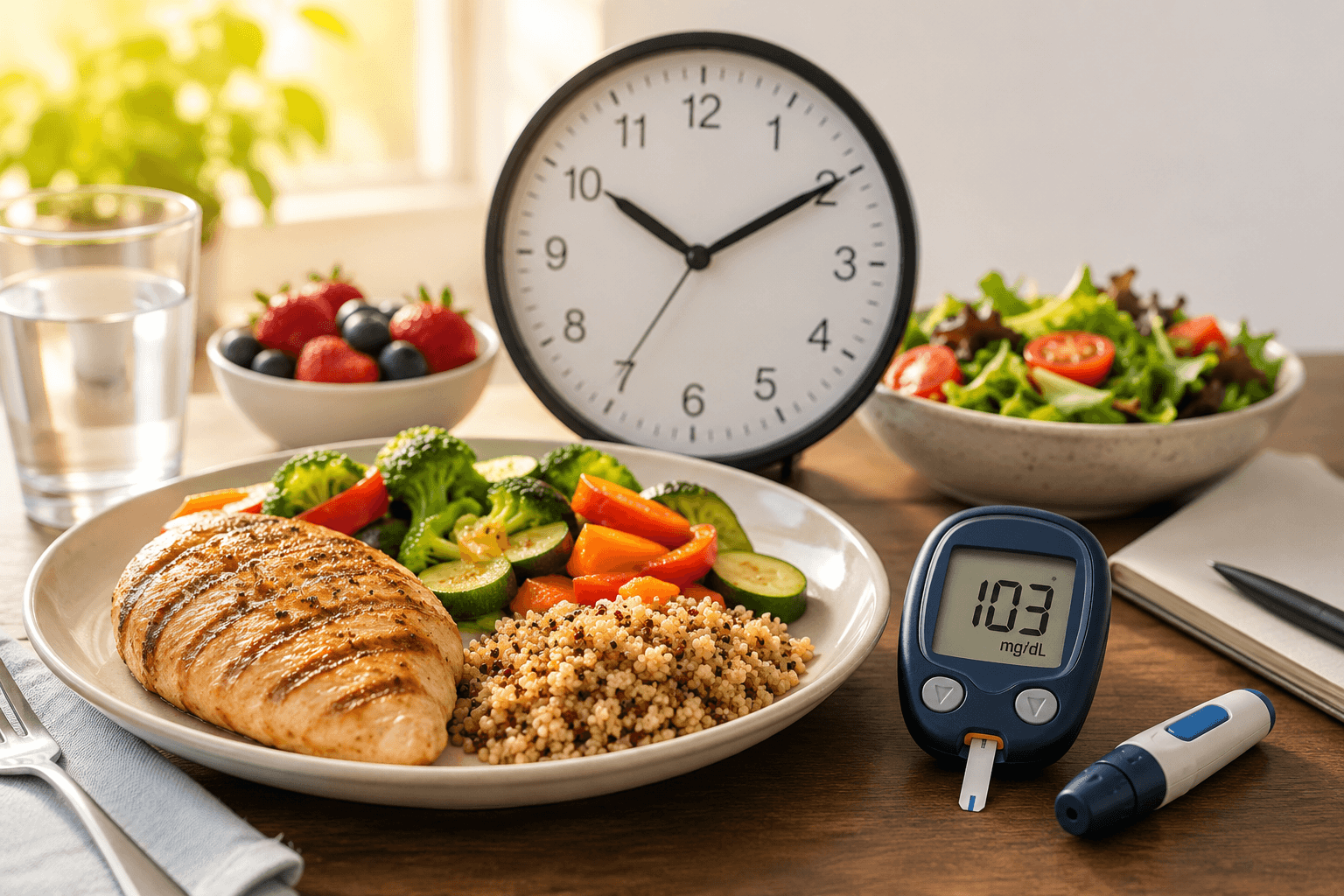
For decades, diabetes management has focused on what patients eat and how much they consume. However, emerging research suggests another factor deserves attention: when they eat. The growing field of chrono-nutrition research in diabetes explores how meal timing interacts with the body’s internal clock to influence glucose metabolism, insulin sensitivity, …
Read More »GLP-1 Therapy and Sleep: Could Metabolic Drugs Improve Sleep Quality?
Researchers are beginning to explore how GLP-1 therapies may influence sleep, recovery, and overall metabolic health. Could a medication designed for blood sugar control also help patients sleep better? As surprising as it sounds, emerging evidence suggests a meaningful connection. This article looks at how GLP-1 receptor agonists may indirectly …
Read More »
Diabetes In Control. A free weekly diabetes newsletter for Medical Professionals. News and information for Medical Professionals.