Jun 29, 2026
Articles, Blood Glucose Control, Blood Glucose Control, Cardiology, Diabetes, Diet and Nutrition, Prevention
4,552 views
For years, artificial sweeteners have been promoted as an important strategy for reducing sugar intake in people with diabetes. They help lower carbohydrate intake, reduce post-meal glucose spikes, and support weight management without adding calories. However, recent research has challenged the long-held assumption that all non-nutritive sweeteners are metabolically neutral. …
Read More »
Jun 25, 2026
Articles, Blood Glucose Control, Blood Glucose Control, Diabetes, Gastroenterology, Prevention, Type 2 Diabetes, Type 2 Diabetes
1,628 views
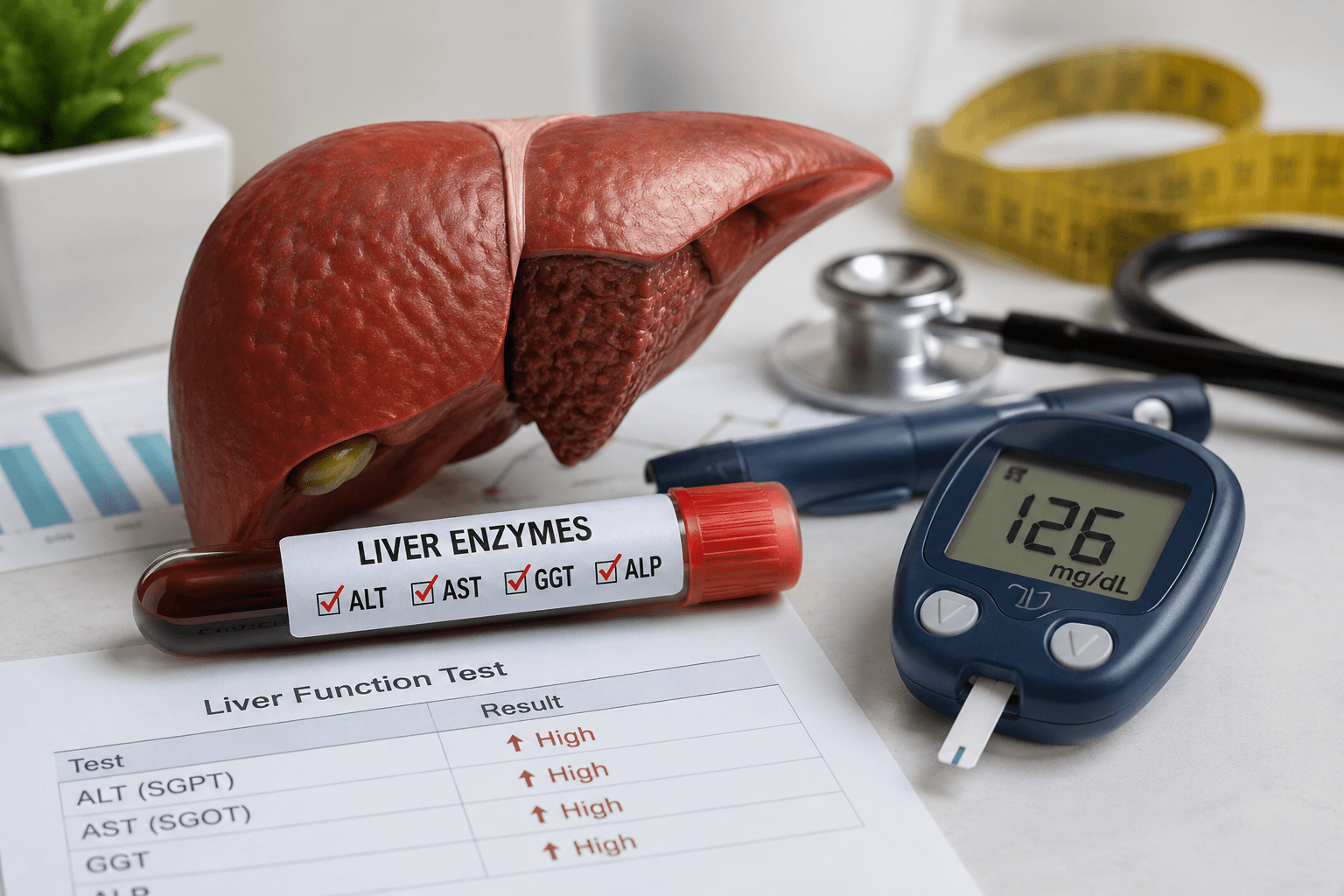
Many people think of liver function tests as a way to detect liver disease. However, researchers are discovering that routine liver enzymes may also reveal important clues about future metabolic health. Understanding liver enzymes diabetes risk is becoming increasingly important because these commonly ordered blood tests may help identify people …
Read More »
May 12, 2026
Articles, Diabetes, GLP- 1 Agonist Therapy Center, GLP-1 Agonist Therapy Center, Obesity, Therapies, Type 2 Diabetes, Type 2 Diabetes
1,262 views
A patient loses 30 pounds, lowers their A1C, and improves their blood pressure within months of starting a GLP-1 medication. Stories like these are hard to ignore, and they have helped fuel growing enthusiasm around drugs like Ozempic, Wegovy, and Mounjaro. Yet as prescriptions continue to expand beyond high-risk diabetes …
Read More »
Apr 7, 2026
Articles, Diabetes, GLP- 1 Agonist Therapy Center, GLP-1 Agonist Therapy Center, Obesity, Obesity, Therapies, Type 2 Diabetes, Type 2 Diabetes
1,542 views
What does success really look like with GLP-1 therapy in 2026? Is it simply lowering A1C, or are clinicians now aiming for something more sustainable like remission or long-term maintenance? As GLP-1 receptor agonists continue to transform diabetes care, the conversation is shifting beyond short-term outcomes. Today, defining clear and …
Read More »
Mar 20, 2026
Blood Glucose Control, Blood Glucose Control, Diabetes, Type 2 Diabetes, Type 2 Diabetes
1,739 views
Early onset type 2 diabetes is no longer rare, and its rise among younger adults raises serious concerns. What happens when a chronic condition that typically appears later in life begins decades earlier? Much like starting a marathon with added weight, younger patients face a longer disease course and a …
Read More »
Mar 12, 2026
Articles, Cardiology, GLP- 1 Agonist Therapy Center
1,884 views
GLP-1 receptor agonists have reshaped the management of type 2 diabetes and obesity. However, growing interest now surrounds the potential role of GLP-1 therapy in normal-weight patients with cardiometabolic risk and whether treatment decisions should rely less on BMI alone. While body mass index remains a widely used screening tool, …
Read More »
Mar 5, 2026
Articles, Cardiology, Diabetes, Type 2 Diabetes, Type 2 Diabetes
1,920 views
GLP-1 receptor agonists have transformed type 2 diabetes and obesity management, but the cost-effectiveness of GLP-1 therapies is now at the center of payer and policy debates. With drugs like semaglutide, liraglutide, dulaglutide, and tirzepatide expanding beyond glycemic control into cardiovascular and weight management, a key question remains: do their …
Read More »
Mar 3, 2026
Articles, Therapies, Type 2 Diabetes, Type 2 Diabetes
2,637 views
Using GLP-1 therapy for lean type 2 diabetes challenges a long-standing assumption in diabetes care: that glucagon-like peptide-1 receptor agonists are primarily for patients with obesity. But what if body mass index is not the right guide for treatment decisions? Lean individuals with type 2 diabetes often exhibit insulin resistance, …
Read More »
Mar 2, 2026
Articles, Diabetes, Neuropathy & Pain, Type 2 Diabetes, Type 2 Diabetes
2,735 views
Cardiovascular outcomes often dominate discussions about GLP-1 receptor agonists, but what about nerve health? Growing interest in GLP-1 diabetic neuropathy reflects a broader shift toward understanding microvascular complications beyond heart disease. While medications such as semaglutide (Ozempic), dulaglutide (Trulicity), and liraglutide (Victoza) have proven cardiovascular benefits, their potential influence on …
Read More »
Feb 25, 2026
Articles, Cardiology, Diabetes, GLP- 1 Agonist Therapy Center, GLP-1 Agonist Therapy Center
8,853 views
Changes in resting heart rate with GLP-1 receptor agonists have become an important topic in diabetes and cardiometabolic care. As glucagon-like peptide-1 receptor agonists such as semaglutide, liraglutide, and dulaglutide gain widespread use, clinicians often notice a modest rise in resting heart rate. Should this increase raise concern, especially in …
Read More »
 Diabetes In Control. A free weekly diabetes newsletter for Medical Professionals. News and information for Medical Professionals.