Jul 8, 2026
Articles, Diabetes, Nephrology, SGLT-2 Therapy Center, Therapies, Type 2 Diabetes, Type 2 Diabetes
2,345 views
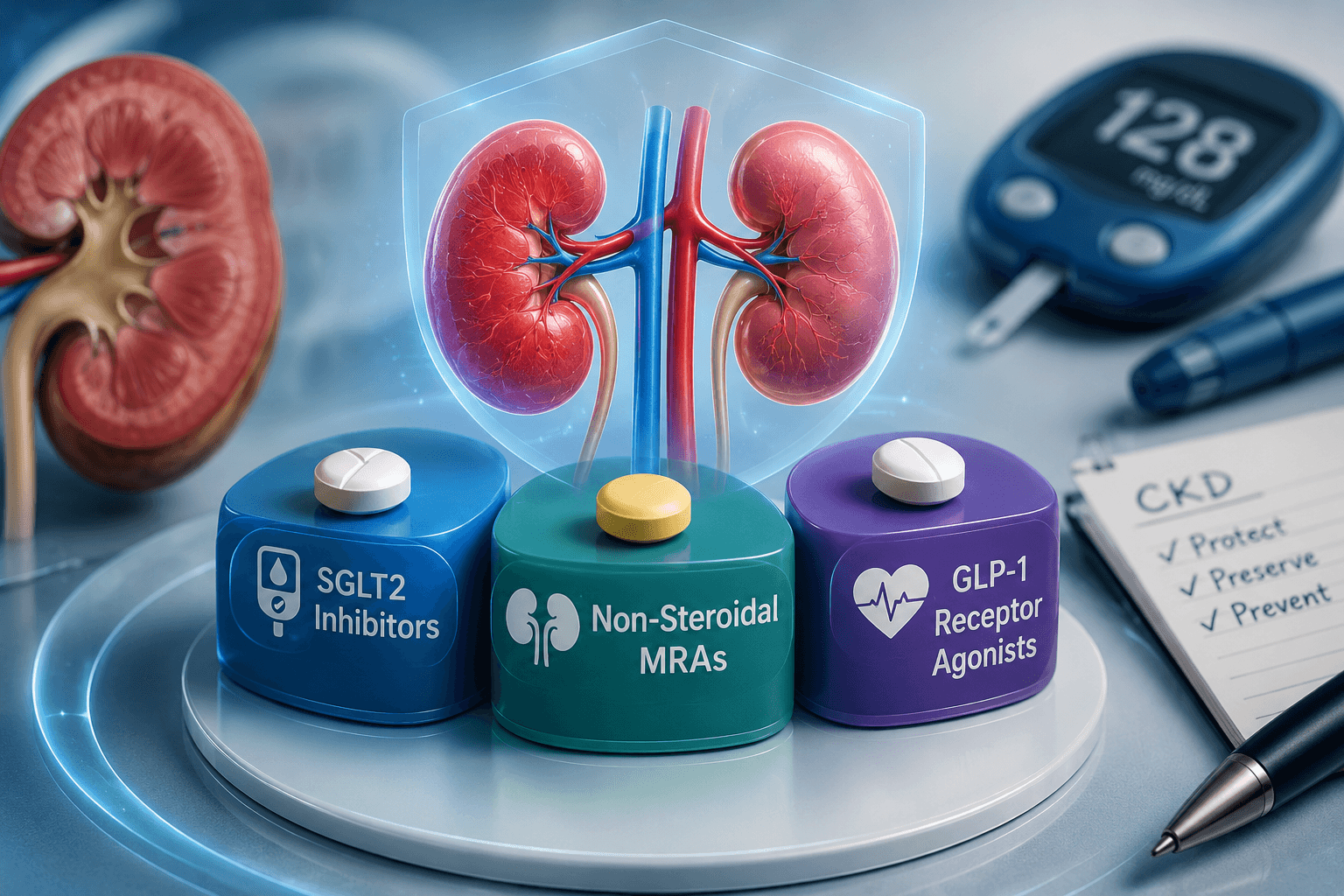
For years, the treatment of diabetic kidney disease focused primarily on glycemic control and blood pressure management. More recently, SGLT2 inhibitors and GLP-1 receptor agonists have transformed the landscape by reducing kidney disease progression and cardiovascular events. However, another therapeutic class is rapidly gaining recognition. Non-steroidal mineralocorticoid receptor antagonists (MRAs) …
Read More »
Mar 3, 2026
Articles, Therapies, Type 2 Diabetes, Type 2 Diabetes
3,093 views
Using GLP-1 therapy for lean type 2 diabetes challenges a long-standing assumption in diabetes care: that glucagon-like peptide-1 receptor agonists are primarily for patients with obesity. But what if body mass index is not the right guide for treatment decisions? Lean individuals with type 2 diabetes often exhibit insulin resistance, …
Read More »
Dec 11, 2025
Articles, Blood Glucose Control, Diabetes, Exercise, Physical Activity, Therapies, Type 2 Diabetes, Type 2 Diabetes
1,869 views
Exercise is a cornerstone of type 2 diabetes care, yet clinicians often struggle with translating broad guidelines into practical, individualized “exercise prescriptions.” The focus keyword in this article, exercise prescription for type 2 diabetes, reflects a high‑intent search term that clinicians, diabetes educators, and patients frequently use when seeking actionable …
Read More »
Dec 11, 2025
Articles, Cardiology, Diabetes, Therapies, Type 2 Diabetes, Type 2 Diabetes
3,532 views
Clinicians and care teams are increasingly focused on GLP‑1 receptor agonists, but SGLT2 inhibitors and metformin in diabetes management remain foundational in achieving comprehensive, evidence‑based outcomes. While GLP‑1 therapies generate headlines for weight loss and glucose control, 2025 guidelines still strongly emphasize the cardioprotective and renoprotective benefits of SGLT2 inhibitors …
Read More »
Dec 4, 2025
Articles, Blood Glucose Control, Devices, Diabetes, Physician oriented, Type 2 Diabetes
1,419 views
Could continuous glucose monitoring (CGM) soon become the norm in primary care? Once considered a specialty tool reserved for endocrinologists, CGM is now recommended far earlier in diabetes treatment — even for patients with type 2 diabetes on basal insulin alone. Despite these guideline shifts, primary care adoption has lagged. …
Read More »
Dec 4, 2025
Articles, Clinical Presentations, Diabetes, Physician oriented, Therapies, Type 2 Diabetes
1,385 views
In diabetes care, “therapeutic inertia” refers to the failure to escalate or modify treatment when a patient’s glucose control is suboptimal. Even now — when newer, more effective treatments and monitoring tools are widely available — therapeutic inertia in diabetes remains a stubborn barrier. Providers often wait too long before …
Read More »
 Diabetes In Control. A free weekly diabetes newsletter for Medical Professionals. News and information for Medical Professionals.